100 First Foods Checklist: Track What Your Baby Has Tried
Get a free printable 100 First Foods Checklist to easily track your baby's food introductions, including an allergen log. You'll find serving ideas, safety notes, and tips on what '100 foods before 1' truly means.
- Download your free 100 First Foods Checklist to track baby's food introductions.
- Log allergens, serving ideas, and your baby's reactions with the included guide.
- Remember '100 before 1' emphasizes variety, not a strict deadline or competition.
- Count foods when swallowed; herbs and spices also contribute to the total.
- Always prioritize safety and consult your pediatrician for any feeding concerns.
This post contains affiliate links. As an Amazon Associate I earn from qualifying purchases.
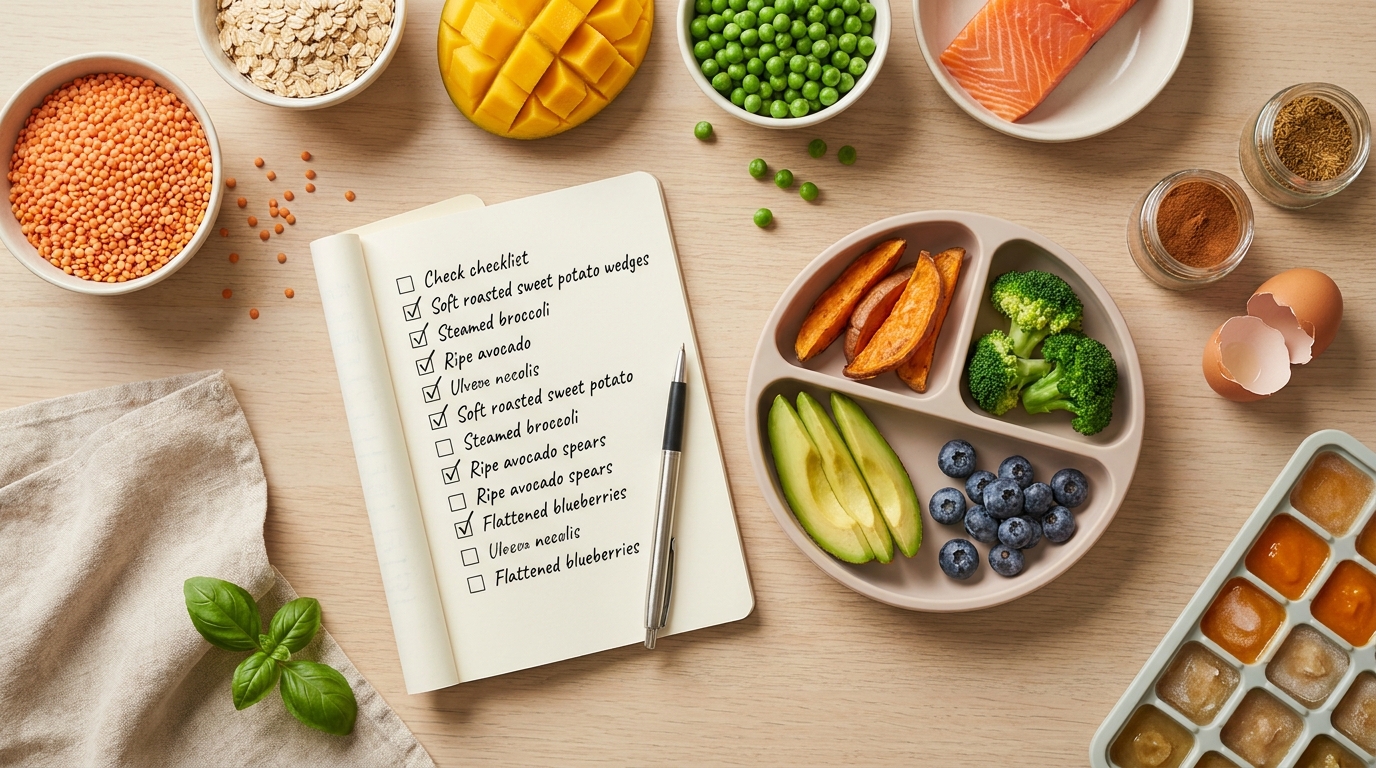
Around week three of starting solids, my “FOODS TRIED” sticky note got lost under a stack of takeout menus. One night I couldn’t remember whether we’d ever tried zucchini. A list you can tick beats a mental note.
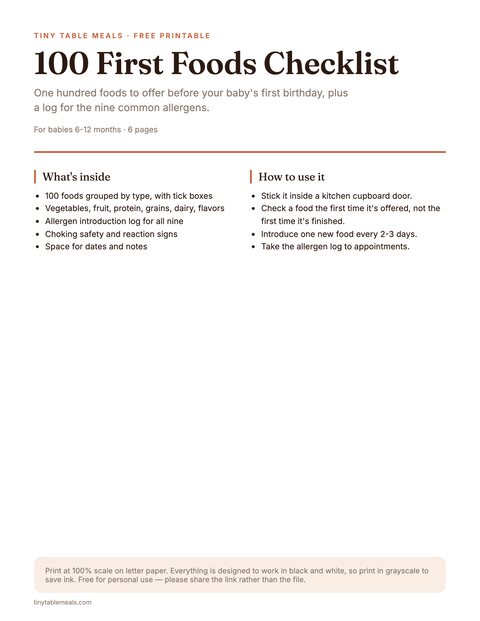
Free printable · 7 pages
100 First Foods Checklist + Allergen Log
One hundred foods to offer before the first birthday, with a log for the nine common allergens.
Free. Your download link appears right here. You'll also join the Sunday Supper Plan. Unsubscribe anytime. Privacy
Here’s the checklist I wish I’d had: 100 foods sorted by food group, each with a starter serving idea for 6-8 months. You’ll also find a texture guide for 9-12 months, a tracking key, a pacing plan, an allergen schedule, and safety notes to read before you serve anything new.
In this article (13 sections)
- What “100 Foods Before 1” Really Means (and What It Doesn’t)
- How to Use This Checklist
- Before You Tick a Single Box: Safety Basics
- The 100 First Foods Checklist by Food Group
- How to Log Food Reactions in Babies
- How Many New Foods Per Week? A Pacing Plan
- Baby Allergen Introduction Schedule: Spreading Out the Top 9
- Food Variety Gaps: What’s Missing from Your Baby’s Checklist?
- Batch Cooking Makes 100 Foods Way Less Exhausting
- What to Do When a Food Gets Refused
- After 100: What Comes Next?
- Frequently Asked Questions
- Final Tips for Tracking Your Baby’s First Foods
What “100 Foods Before 1” Really Means (and What It Doesn’t)
“100 before 1” means offering a wide variety of foods, flavors, and textures during the first year of solids. Early, repeated exposure to bitter greens, tangy yogurt, and mild spices may help babies become more accepting eaters later, though the evidence is mixed.
Here’s what it is not:
- It’s not a deadline. Reaching 62 foods by the first birthday is a great result.
- It’s not a race against other parents. A baby eating octopus at 7 months and a baby happy with a rotation of 40 foods are both doing fine.
- It’s not a replacement for your pediatrician’s advice. If your baby has severe eczema, a known food allergy, reflux, or any feeding difficulty, talk with your pediatrician before working through a broad list like this one.
- It’s not the only thing that matters. Iron-rich foods, healthy fats, and safe textures matter more than the total number.
How to Use This Checklist
Each table has five columns: tick box, number, food, how to serve, and notes. You can copy the tables into a notes app, a spreadsheet, or a document and add your own columns.
- Tick box: Mark ☑ (or replace ☐ with an X) when your baby has actually had the food, not just when it was placed on the tray.
- #: A running number from 1 to 100, so your total is easy to see.
- Food: The food itself.
- How to serve at 6-8 months: A safe starter form. Every food gets a fresh look as your baby’s skills grow.
- Notes: Room for a date, a reaction, a face, or a quick loved-it or hated-it verdict.
TipAbout 78 entries are single foods, 14 are herbs and spices, and 8 are family-table dishes. Each food earns one tick, so a dish doesn’t add ticks for foods you’ve already counted.
The counting rules I use
Counting can get silly fast. These are the rules I settled on.
- A food counts when your baby has swallowed some of it. Licking, mouthing, and wearing it in their hair don’t count. (They’re still progress. Just not tick-box progress.)
- Each food counts once. Roasted carrot and steamed carrot are the same food. Serving a new form is worth noting, but doesn’t earn a second tick.
- Mixed dishes can count for several foods. A lentil-and-sweet-potato mash counts for both, as long as your baby actually ate a taste of each.
- Herbs and spices count. A pinch of cinnamon in oatmeal is a new flavor, and flavor exposure is half the point.
- “Tried” beats “liked.” A baby often needs many exposures, sometimes ten or more, to accept a new taste. A grimace on day one is not a no. It’s just information.
A quick tracking key
If you’d like something faster than writing full sentences, use a little shorthand in the Notes column:
| Symbol | Meaning |
|---|---|
| ❤️ | Loved it, ate lots |
| 😐 | Fine, ate some |
| 🙅 | Refused (try again in a few days to 2 weeks) |
| ⚠️ | Possible reaction: see the reaction steps below. Hold the food until you’ve talked to your pediatrician. |
| 📅 | Add the date of first try |
Before You Tick a Single Box: Safety Basics
A checklist that pushes you to offer 100 foods needs a sturdy safety section. These are the essentials.
Readiness first
Most babies are ready to start solids around 6 months. Look for these signs.
- Sits upright with minimal support.
- Holds their head steady.
- Shows interest in food.
- Reaches for food and brings it to their mouth.
- The tongue-thrust reflex that pushes food out is fading.
Don’t start solids before 4 months. If you think your baby is ready between 4 and 6 months, talk to your pediatrician before you start.
Gagging is not choking
Gagging is loud, messy, and a normal part of learning to move food around the mouth. Choking is quiet. If you haven’t taken an infant CPR and choking-response class, this is a great time to sign up. Practicing the response takes away a lot of the fear and lets you enjoy mealtime more.
Choking hazards: foods to skip or modify
Safety firstThe biggest choking risks are whole nuts, popcorn, whole grapes, and hot dog rounds. Quarter, flatten, or mash round foods until about age 4.
| Food | Why it’s a risk | Safer way to serve |
|---|---|---|
| Whole nuts | Choking | Grind to a fine powder with no chunks |
| Thick nut butter, by the spoonful or spread on bread or rice cakes | Choking | Thin well with warm water, breast milk, or formula |
| Whole grapes and cherry tomatoes | Choking | Quarter lengthwise |
| Whole blueberries and corn kernels | Choking | Flatten blueberries; mash or crush corn |
| Hard raw apple or carrot | Choking | Cook soft or grate finely |
| Chunks of cheese or meat | Choking | Cut into thin strips or shred |
| Popcorn, hot dog rounds, hard candy, marshmallows | Choking | Skip for now |
Other foods to skip or limit before age one
Safety firstNo honey before 12 months, even baked into food. It can cause infant botulism.
| Food | Why it’s a risk | Safer way to serve |
|---|---|---|
| Honey in any form, even baked into foods | Infant botulism | Skip until after 12 months |
| Cow’s milk as a main drink | Low in iron, and it can displace breast milk or formula | Fine in cooking, yogurt, and cheese; wait until 12 months to serve as a drink |
| Juice | Not recommended before 12 months | Offer small sips of water with meals |
| Added salt | Babies’ kidneys can’t handle much sodium | Cook without salt and skip high-sodium store-bought broths |
| Added sugar | Babies don’t need sweetened foods | Choose plain yogurt over sweetened |
| Raw or undercooked eggs, meat, and fish; raw sprouts | Food poisoning | Cook everything thoroughly; skip raw sprouts |
| Deli meats and smoked fish | Listeria, and they’re very salty | Skip before 12 months. If you serve them later, heat until steaming hot |
| Unpasteurized dairy and juices | Can carry harmful germs | Skip them; choose pasteurized |
| Shark, swordfish, king mackerel, tilefish (Gulf of Mexico), marlin, orange roughy, bigeye tuna | High mercury | Choose salmon, cod, trout, or sardines |
Allergens
The most common food allergens are egg, peanut, tree nuts, milk, wheat, soy, sesame, fish, and shellfish. Current guidance generally encourages introducing them in the first year rather than delaying. The details depend on your baby’s risk level.
Safety firstBabies with severe eczema or an egg allergy are at higher risk of peanut allergy. Ask your pediatrician about testing before the first peanut. For these higher-risk babies, they may recommend introducing peanut as early as 4-6 months, but only under their direction. If your baby has severe eczema or any known food allergy, check with your pediatrician before starting any of the common allergens, not only peanut.
The practical steps are in introducing allergens to your baby, and the allergen spacing table further down shows one way to spread them out. I flag every allergen in the checklist with 🔶 so you can plan them on a day when you can watch your baby for a couple of hours afterward.
Serving forms by age
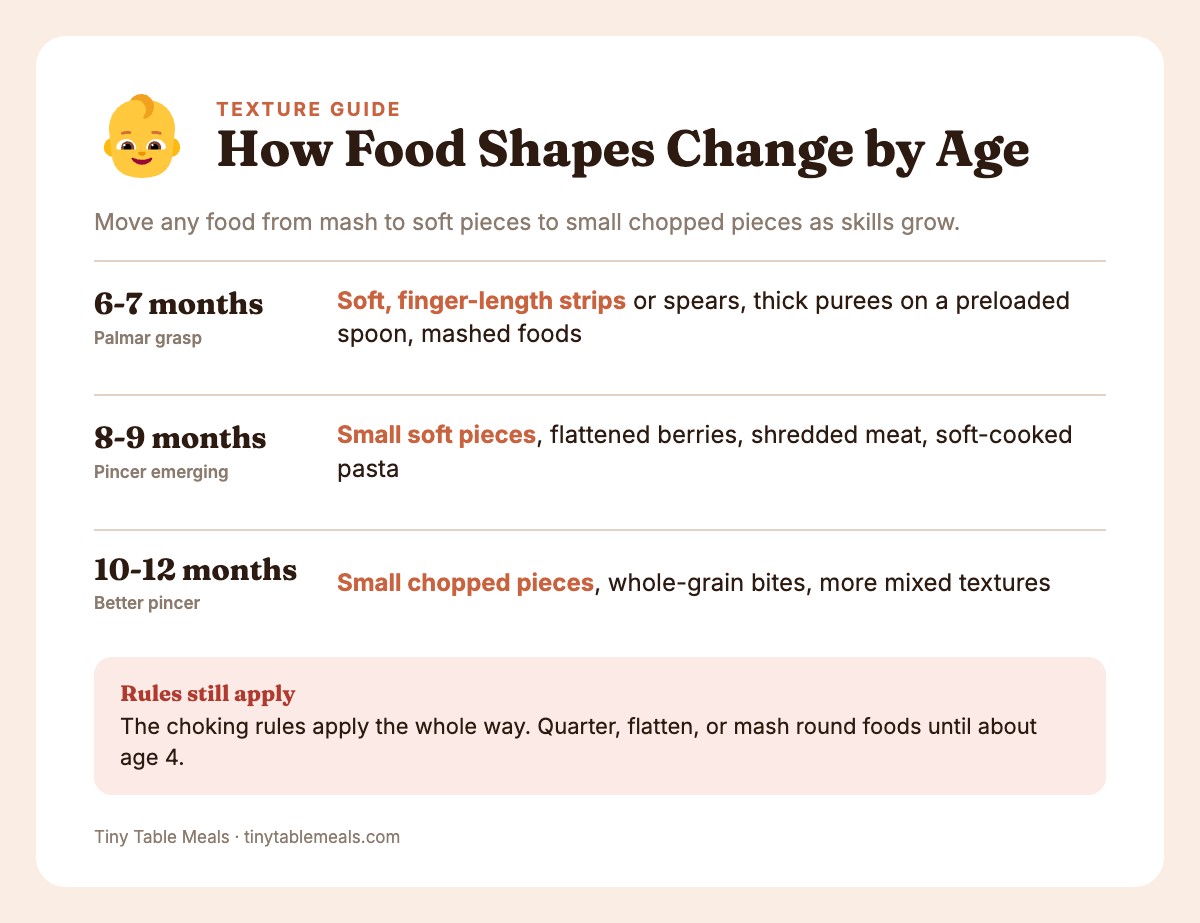
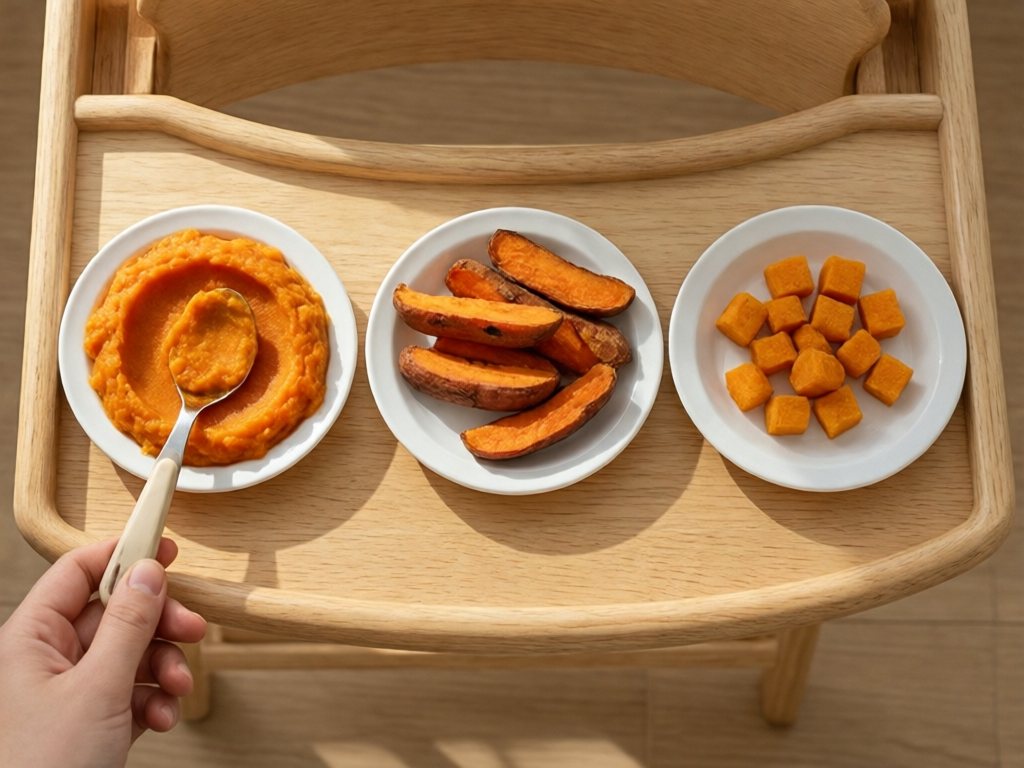
Texture matters as much as the food itself. Here’s how the same food changes over the first year:
| Age | Skill | Good forms |
|---|---|---|
| 6-7 months | Palmar grasp, mostly gumming | Soft, finger-length strips or spears; thick purees on a preloaded spoon; mashed foods |
| 8-9 months | Pincer grasp emerging | Small soft pieces, flattened berries, shredded meat, soft-cooked pasta |
| 10-12 months | Better pincer, more chewing | Small chopped pieces, whole-grain bites, more mixed textures |
The checklist tables give the 6-8 month starter form for each food. As your baby’s skills grow, move any food on the list from mash or soft spears to small soft pieces, then to small chopped pieces by 10-12 months. The choking rules above apply the whole way. My guide to moving from purees to table food covers the in-between stage.
For a deeper walkthrough of shapes and sizes, see first finger foods for babies.
The 100 First Foods Checklist by Food Group
Here’s the full list. Foods flagged 🔶 are common allergens. Food numbers run 1 to 100 straight through the tables so you can track a total.
Vegetables (Foods 1-20)
| ☐ | # | Food | How to serve at 6-8 months | Notes |
|---|---|---|---|---|
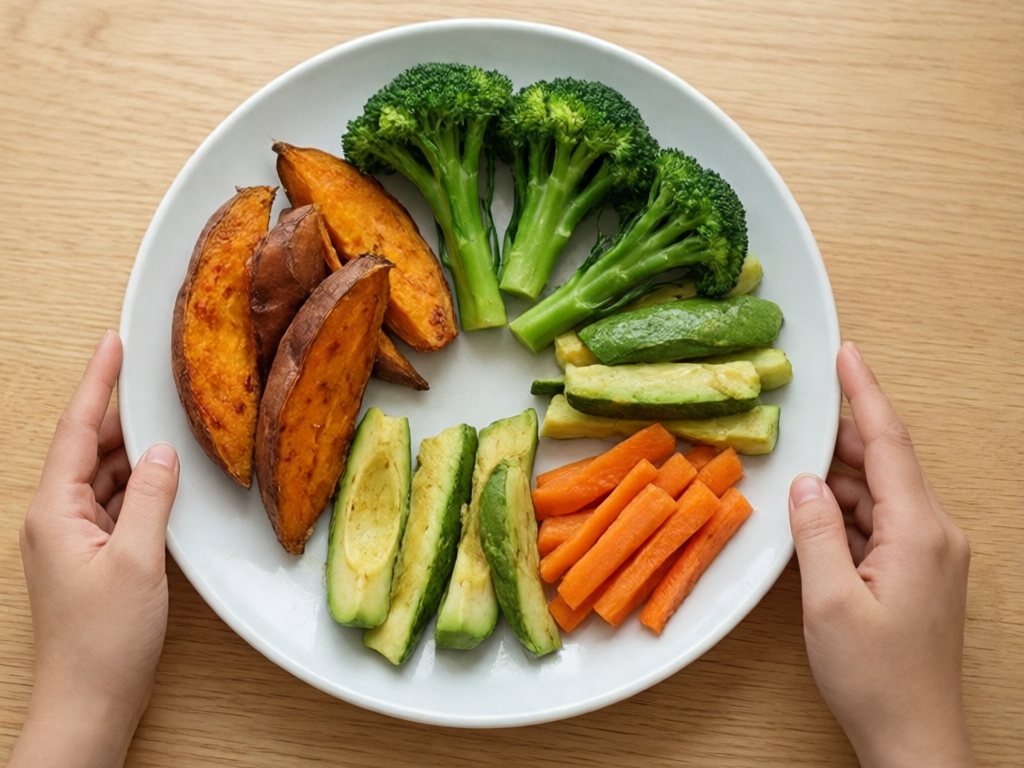
| ☐ | 1 | Sweet potato | Roasted wedges or thick mash | |
| ☐ | 2 | Butternut squash | Roasted spears or puree | |
| ☐ | 3 | Carrot | Steamed until very soft, in sticks or puree | |
| ☐ | 4 | Broccoli | Steamed florets with a long stem for holding | |
| ☐ | 5 | Cauliflower | Roasted soft florets or mash | |
| ☐ | 6 | Zucchini | Steamed sticks, skin on or off | |
| ☐ | 7 | Peas | Mashed lightly or stirred into puree | |
| ☐ | 8 | Green beans | Steamed very soft, or chopped small | |
| ☐ | 9 | Spinach | Wilted and blended into mash or scrambles | |
| ☐ | 10 | Avocado | Ripe spears or mashed | |
| ☐ | 11 | Cucumber | Peeled, lightly steamed soft sticks, or thinly grated; thin peeled slices only once chewing is well established, with close supervision | |
| ☐ | 12 | Red bell pepper | Roasted until soft, skin removed | |
| ☐ | 13 | Beet | Roasted and mashed (see the beet note below) | |
| ☐ | 14 | Parsnip | Roasted spears or mash | |
| ☐ | 15 | Asparagus | Steamed tips and soft stalks | |
| ☐ | 16 | Potato (white) | Boiled and mashed with olive oil | |
| ☐ | 17 | Pumpkin | Roasted and pureed | |
| ☐ | 18 | Corn | Blended into polenta, or mashed; no whole kernels until about age 4 | |
| ☐ | 19 | Tomato | Cooked into a sauce or mashed; peeled, very soft cooked wedges only with supervision | |
| ☐ | 20 | Mushroom | Cultivated mushrooms only (never wild-foraged), cooked until soft and finely chopped into mash |
A note on this group: vegetables are the food category most people worry about, because babies come into the world loving sweet. But bitter and earthy tastes are learnable. Offering broccoli and spinach before you offer lots of sweet fruit is a strategy plenty of parents like. It’s also fine to mix them, so don’t sweat the order.
Good to knowBeets can turn stool or urine pink or red. It’s harmless, but call your pediatrician if you’re not sure the beets are the cause.
Fruits (Foods 21-35)
| ☐ | # | Food | How to serve at 6-8 months | Notes |
|---|---|---|---|---|
| ☐ | 21 | Banana | Peeled half, or mashed | |
| ☐ | 22 | Apple | Cooked soft as sauce or soft-cooked slices; raw apple only finely grated | |
| ☐ | 23 | Pear | Very ripe wedges or cooked puree | |
| ☐ | 24 | Peach | Very ripe, peeled slices | |
| ☐ | 25 | Mango | Ripe spears or mashed | |
| ☐ | 26 | Strawberry | Halved and flattened, or mashed | |
| ☐ | 27 | Blueberry | Smashed flat | |
| ☐ | 28 | Raspberry | Gently mashed | |
| ☐ | 29 | Watermelon | Seedless, thick wedge or mashed | |
| ☐ | 30 | Cantaloupe | Ripe soft strips, rind removed | |
| ☐ | 31 | Kiwi | Ripe, sliced thin or mashed | |
| ☐ | 32 | Orange | Segments with membrane removed, cut small | |
| ☐ | 33 | Prunes | Stewed and pureed | |
| ☐ | 34 | Papaya | Ripe spears or mash | |
| ☐ | 35 | Pineapple | Blended into a smooth puree, or very ripe, stringless fruit minced fine, with supervision |
Citrus, tomato, strawberry, and pineapple can cause redness around the mouth or a mild diaper rash because of acidity. This is usually contact irritation. If the rash spreads or comes with hives, treat it as a possible reaction. For hives, swelling, trouble breathing, or repeated vomiting, follow the reaction steps below.
Common Allergens (Foods 36-45) 🔶
Every food here is an allergen. Introduce each one on its own, early in the day, when you can watch your baby afterward. Don’t introduce a new allergen while your baby is sick.
If your baby has severe eczema or a known food allergy, check with your pediatrician before you start this group.
| ☐ | # | Food | How to serve at 6-8 months | Notes |
|---|---|---|---|---|
| ☐ | 36 | Egg 🔶 | Fully cooked: scrambled strips, omelet fingers, or hard-boiled mashed | |
| ☐ | 37 | Peanut 🔶 | Smooth peanut butter thinned with warm water and stirred into oatmeal or yogurt | |
| ☐ | 38 | Almond 🔶 | Smooth almond butter thinned, or finely ground almond stirred into puree | |
| ☐ | 39 | Cashew 🔶 | Thinned cashew butter, or cashew cream | |
| ☐ | 40 | Whole-milk plain yogurt 🔶 | A spoonful on a preloaded spoon or mixed with fruit | |
| ☐ | 41 | Cheese 🔶 | Grated or thin melted strips (a low-sodium variety like mild Swiss or mozzarella) | |
| ☐ | 42 | Tofu (soy) 🔶 | Firm tofu strips, pan-seared lightly | |
| ☐ | 43 | Tahini (sesame) 🔶 | A small amount, thinned and swirled into mash or hummus | |
| ☐ | 44 | Salmon (fish) 🔶 | Flaked, bones removed carefully | |
| ☐ | 45 | Shrimp (shellfish) 🔶 | Fully cooked and finely minced into a mash |
This group lists foods, not the nine allergens themselves. Wheat is in the grains section. Milk appears in yogurt, cheese, ricotta, cottage cheese, and butter, and tree nuts appear as almond and cashew. The allergen plan below shows one way to spread them out.
Proteins and Iron-Rich Meats (Foods 46-55)
Iron stores from birth start dropping around 6 months, which is why meat, beans, and iron-fortified cereals matter so much now. If you’d like a deeper look at iron across ages, the iron-rich meals and snacks guide may be helpful.
| ☐ | # | Food | How to serve at 6-8 months | Notes |
|---|---|---|---|---|
| ☐ | 46 | Chicken (dark meat) | Slow-cooked and shredded, or blended into a puree | |
| ☐ | 47 | Turkey | Ground and cooked into soft patties or shredded | |
| ☐ | 48 | Beef | Slow-cooked strips to gnaw, or ground beef in soft balls | |
| ☐ | 49 | Lamb | Slow-cooked and shredded, or in mini meatballs | |
| ☐ | 50 | Pork | Slow-cooked and shredded | |
| ☐ | 51 | Chicken liver | Blended into a pâté or meatball; small amounts, only occasionally (see the note below) | |
| ☐ | 52 | Cod | Flaked, soft, bones removed | |
| ☐ | 53 | Sardines | No-salt-added, skinless, boneless sardines, drained and rinsed, then mashed | |
| ☐ | 54 | Trout | Flaked, carefully de-boned | |
| ☐ | 55 | Duck | Slow-cooked and shredded |
Pairing iron-rich foods with vitamin C (a few strawberries beside the beef, or tomato in the meatballs) helps absorption.
Good to knowLiver is very rich in vitamin A. Serve small amounts only occasionally, and ask your pediatrician how often is right for your baby.
Beans and Legumes (Foods 56-62)
| ☐ | # | Food | How to serve at 6-8 months | Notes |
|---|---|---|---|---|
| ☐ | 56 | Red lentils | Cooked to a soft porridge or in dal | |
| ☐ | 57 | Chickpeas | Mashed, or homemade hummus with no added salt (contains sesame 🔶 once tahini has been introduced) | |
| ☐ | 58 | Black beans | Cooked very soft and mashed | |
| ☐ | 59 | White beans | Mashed on toast strips | |
| ☐ | 60 | Pinto beans | Mashed | |
| ☐ | 61 | Split peas | Simmered into a thick soup | |
| ☐ | 62 | Edamame | Shelled, cooked, and mashed (soy 🔶) |
Legumes are a budget-friendly protein and a good fiber source. Rinse canned beans well, since the liquid can be salty. Look for no-salt-added cans if you can find them.
Grains (Foods 63-72)
| ☐ | # | Food | How to serve at 6-8 months | Notes |
|---|---|---|---|---|
| ☐ | 63 | Oats | Thick oatmeal on a preloaded spoon, or baked oat fingers | |
| ☐ | 64 | Rice | Soft, well-cooked rice stirred into a sauce or veggie mash, or small moist clumps | |
| ☐ | 65 | Quinoa | Cooked very soft, mixed with veggies | |
| ☐ | 66 | Bread or toast (wheat 🔶) | Lightly toasted strips with a thin spread | |
| ☐ | 67 | Pasta (wheat 🔶) | Large shapes cooked very soft | |
| ☐ | 68 | Barley | Cooked very soft, added to soup | |
| ☐ | 69 | Millet | Cooked into a porridge | |
| ☐ | 70 | Polenta | Soft, cut into strips once chilled | |
| ☐ | 71 | Buckwheat | Cooked into porridge or pancakes | |
| ☐ | 72 | Couscous | Cooked soft, mixed with sauce |
Vary your grains rather than leaning on rice alone. Rice tends to contain more arsenic than other grains, so don’t make rice cereal the main grain. Iron-fortified oat or multigrain cereal is a good swap. All grains can carry trace metals, which is another reason variety helps, so rotate oats, quinoa, millet, and barley.
Dairy, Fats, and Pantry Extras (Foods 73-78)
| ☐ | # | Food | How to serve at 6-8 months | Notes |
|---|---|---|---|---|
| ☐ | 73 | Ricotta 🔶 | Pasteurized, low-sodium or no-salt-added; a spoonful mixed with fruit puree | |
| ☐ | 74 | Cottage cheese 🔶 | Pasteurized, low-sodium or no-salt-added; small curds, lightly mashed | |
| ☐ | 75 | Butter 🔶 | Cooked into veggies or grains | |
| ☐ | 76 | Olive oil | Drizzled over roasted veggies or mash | |
| ☐ | 77 | Coconut | A spoonful of unsweetened coconut milk stirred into oatmeal (a cooking ingredient, not a drink) | |
| ☐ | 78 | Ground flaxseed | A tiny pinch stirred into oatmeal or yogurt |
Full-fat plain dairy is generally recommended during the first year.
Good to knowThe FDA no longer counts coconut as a tree nut for allergen labeling. If your baby has a tree nut allergy, ask your pediatrician before offering it.
Herbs and Spices (Foods 79-92)
Herbs and mild spices are the cheapest way to add variety. Use only a tiny pinch, always stirred into food. Never serve a heap or dry powder.
Buy reputable brands, since some imported spices can contain lead. For cinnamon, Ceylon is the better pick when you can find it, because cassia has more coumarin. There’s more in my guide to introducing spices in baby food.
| ☐ | # | Food | How to serve at 6-8 months | Notes |
|---|---|---|---|---|
| ☐ | 79 | Cinnamon | A pinch in oatmeal or apple sauce | |
| ☐ | 80 | Cumin | A pinch in roasted carrots or lentils | |
| ☐ | 81 | Turmeric | A pinch in scrambled eggs or rice | |
| ☐ | 82 | Mild paprika | A dusting on roasted sweet potato | |
| ☐ | 83 | Garlic | Roasted and mashed into veggies | |
| ☐ | 84 | Onion | Cooked until soft in soups and sauces | |
| ☐ | 85 | Ginger | A small amount grated into sweet potato | |
| ☐ | 86 | Basil | Chopped into tomato sauce | |
| ☐ | 87 | Cilantro | Chopped into bean mash | |
| ☐ | 88 | Parsley | Stirred into meatballs or scrambles | |
| ☐ | 89 | Mint | Stirred into yogurt with peas | |
| ☐ | 90 | Dill | Stirred into salmon or yogurt | |
| ☐ | 91 | Oregano | A pinch in tomato or meat sauces | |
| ☐ | 92 | Mild curry powder | A tiny pinch in lentil dal |
Meals and Family-Table Dishes (Foods 93-100)
These last eight are “meal” entries. They’re a little different: each dish earns one tick of its own once your baby has eaten it. Ingredients you’ve already counted don’t earn a second tick, but any that are new can be ticked too. These are also good ways to blend the family table into your baby’s meals. Use no added salt, and set aside your baby’s portion before you season the rest.
| ☐ | # | Dish | How to serve | Notes |
|---|---|---|---|---|
| ☐ | 93 | Vegetable-and-bean soup | Thick, spooned or dunked with toast | |
| ☐ | 94 | Veggie muffins | Baked with grated zucchini or carrot | |
| ☐ | 95 | Banana oat pancakes | Cut into strips | |
| ☐ | 96 | Turkey or beef meatballs | Soft, small, moist | |
| ☐ | 97 | Lentil dal | Thick and mild, with rice or bread | |
| ☐ | 98 | Mild taco filling | Beans and ground meat with a little cumin | |
| ☐ | 99 | Savory rice porridge | Rice cooked down with veggies and shredded chicken | |
| ☐ | 100 | Veggie frittata strips | Baked egg with spinach and cheese |
How to Log Food Reactions in Babies
Tracking gets valuable when you note more than the food name. If you want a slightly deeper log, try this compact reaction diary. It’s especially helpful with the allergens.
| Date | Food | Amount | Time | Reaction? | Notes |
|---|---|---|---|---|---|
| None / Mild / Call doctor |
Safety firstCall emergency services for swelling of the lips, face, or tongue, trouble breathing, or repeated vomiting soon after a new food. Do the same for limpness, a change in color, or hives together with vomiting, cough, or wheeze. Hives alone: call your pediatrician promptly.
If you think your baby is reacting, work through these steps:
- Stop feeding. Take away any food that’s left.
- Check breathing, swelling, and color. Look at the lips, face, and tongue.
- Call for help. Emergency services for the symptoms above, your pediatrician for hives alone.
- Log it. Write down the food, amount, time, and what you saw.
- Hold off. Don’t offer the food again until your pediatrician says it’s okay.
Not every change after a new food is a reaction. Here’s how I sort what I see.
| Level | What you see | What to do |
|---|---|---|
| Mild, usually harmless | A little redness around the mouth from acidic food, a change in stool color or texture, a bit more gas. | Note it and carry on. |
| Call your pediatrician | Hives on their own, eczema flares, persistent diarrhea, blood in the stool. | Call promptly for hives. Raise the others too, and hold the food until you’ve talked. |
| Emergency | Any sign in the Safety first box above, such as swelling or trouble breathing. | Call emergency services. |
Your pediatrician can help you build a plan if your baby has a higher allergy risk. I’m a food writer and a mom, not a doctor, so when in doubt, call.
How Many New Foods Per Week? A Pacing Plan
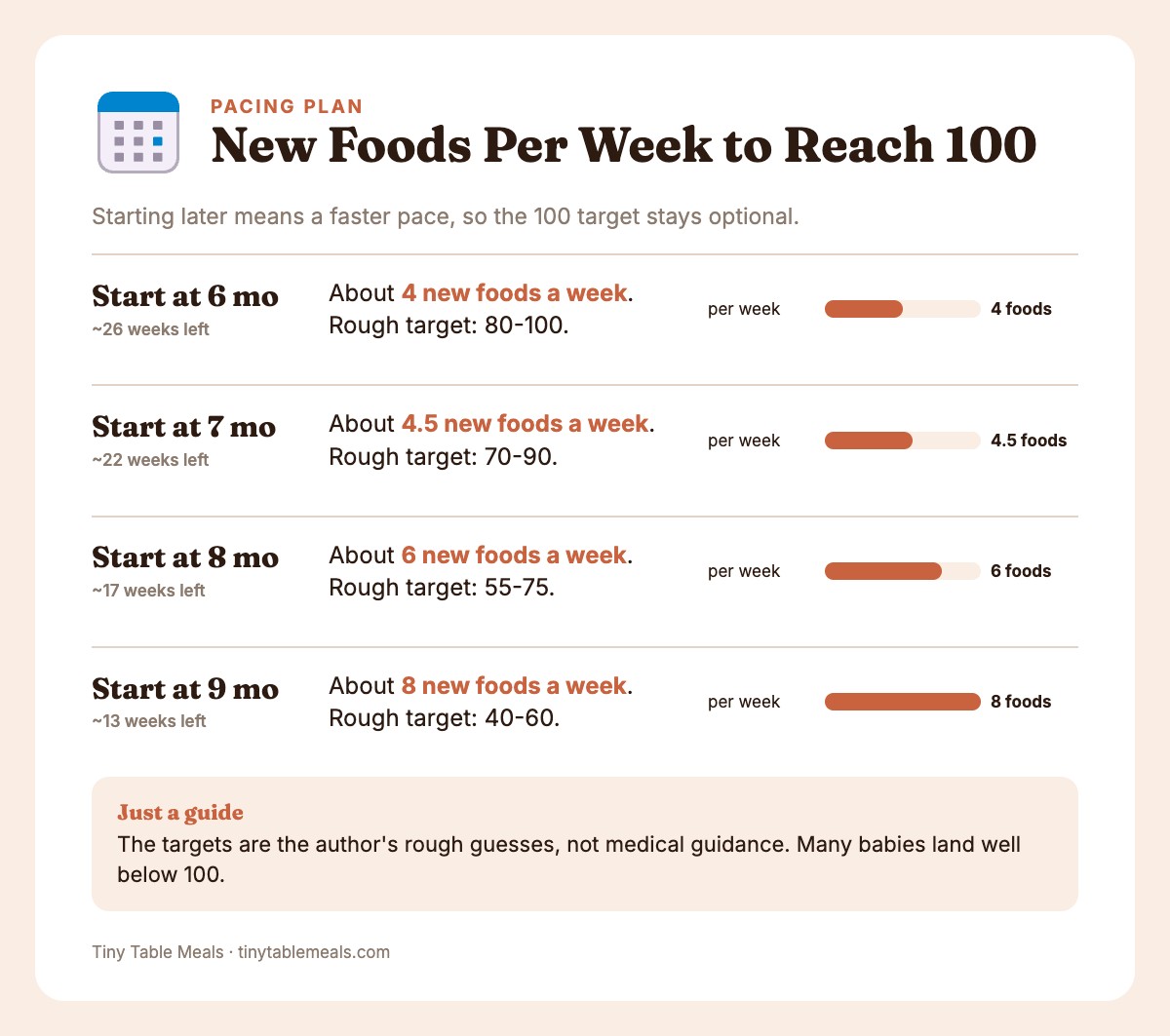
If you start at 6 months, you have about 26 weeks before the first birthday. To reach 100 foods, you’d need roughly four new foods per week. Herbs, spices, and dishes count, which helps.
Treat the target as optional. Many babies land well below it, and allergen spacing and repeat exposures will slow the pace. My 8-month-old feeding schedule shows how a day of meals can fit around it.
Here’s how it works out at different starting points:
| Start age | Weeks until 12 months | New foods per week for 100 | My rough target |
|---|---|---|---|
| 6 months | ~26 | ~4 | 80-100 |
| 7 months | ~22 | ~4.5 | 70-90 |
| 8 months | ~17 | ~6 | 55-75 |
| 9 months | ~13 | ~8 | 40-60 |
The targets in the last column are my own rough guesses, not medical guidance. If you’re on the later side, don’t panic. Many families find that babies who start later move through textures quickly.
A sample first week of “new foods”
Here’s what five new foods in a week can look like without overwhelming anyone:
| Day | Food | How it shows up |
|---|---|---|
| Monday | Avocado | Ripe spears on the tray at lunch |
| Tuesday | Repeat: avocado, plus a favorite | Mashed on soft-cooked sweet potato |
| Wednesday | Cumin | A pinch in roasted carrots |
| Thursday | Egg 🔶 | Scrambled strips, midmorning, watched for a couple of hours |
| Friday | Broccoli | Steamed florets at dinner |
| Saturday | (No new food) | Family day, favorites only |
| Sunday | Salmon 🔶 | Flaked into a mash at lunch |
The two allergens here, egg on Thursday and salmon on Sunday, sit three days apart. If your baby has severe eczema or a known food allergy, check with your pediatrician before offering either one.
The rest days matter. They give your baby a break, and they give you one, too.
Baby Allergen Introduction Schedule: Spreading Out the Top 9
Every family’s plan depends on their baby’s health, and this one is optional. A common approach is to introduce one allergen at a time, a few days apart. That way it’s easy to work out the culprit if something happens.
If your baby has severe eczema or any known food allergy, check with your pediatrician before you start any part of this table, not only peanut. They may want testing before the first peanut, or a different order. The schedule below assumes your baby is not in that group.
There are nine major allergens, so a spread with 3-day gaps takes about 3.5 weeks. Go slower if your baby is sick or you want more time between foods. Keep serving earlier allergens a few times a week while you add the next one:
| Day | Allergen | Example serving |
|---|---|---|
| Day 1 | Egg | Scrambled strips or omelet fingers |
| Day 4 | Peanut | Thinned peanut butter in oatmeal (see the peanut note above) |
| Day 7 | Milk | Plain whole-milk yogurt, then cheese on later days |
| Day 10 | Wheat | Lightly toasted strips with a thin spread |
| Day 13 | Soy | Firm tofu strips |
| Day 16 | Fish | Flaked salmon, bones removed |
| Day 19 | Sesame | Thinned tahini swirled into mash |
| Day 22 | Tree nuts | Thinned almond butter, well mixed in |
| Day 25 | Shellfish | Fully cooked, finely minced shrimp |
Once an allergen is introduced, keep offering it regularly. Serving a food once and then not again for a month isn’t ideal for many of the top allergens. My allergen introduction guide walks through serving ideas and how to keep them in the rotation without stress.
Food Variety Gaps: What’s Missing from Your Baby’s Checklist?
Somewhere around food 40 or 50, you may notice that your baby’s tick marks are clustering. I certainly did. Everything was orange and starchy. Here’s a quick way to spot gaps:
| If you notice… | Try adding… |
|---|---|
| Lots of orange and yellow, not much green | Broccoli, peas, spinach, asparagus, green beans |
| Lots of fruit, not many savory foods | Lentils, salmon, shredded chicken, mashed beans |
| Few iron-rich foods | Beef, lamb, lentils, iron-fortified oatmeal |
| Mostly smooth textures | Soft strips, mashed foods with lumps, small soft pieces |
| Only mild flavors | Herbs, cinnamon, cumin, mild curry, garlic |
| Few healthy fats | Avocado, olive oil, salmon, full-fat yogurt, nut butters (thinned) |
You can also sort by color. If your baby’s plate looks like a rainbow across a week, they’re probably getting a decent range of nutrients.
Batch Cooking Makes 100 Foods Way Less Exhausting
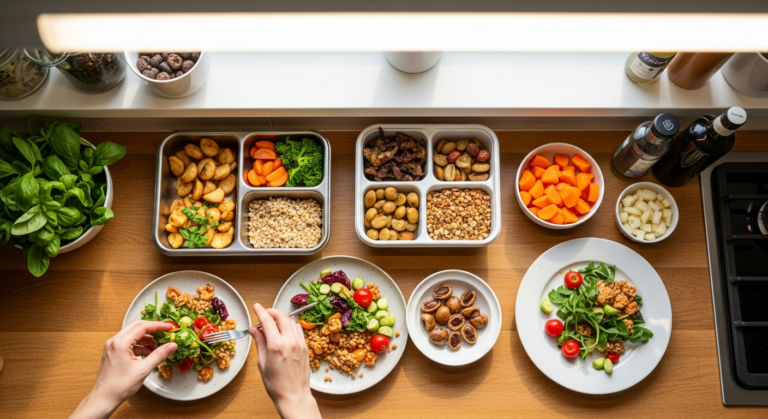
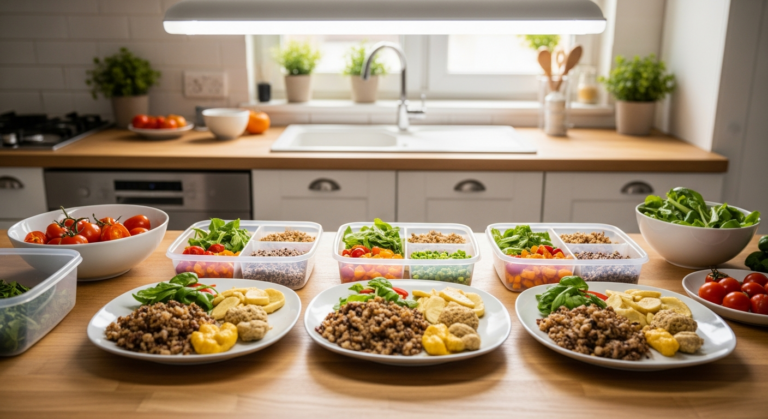
Batching keeps it manageable: cook once, portion many ways. A typical Sunday for me was one loaded tray in the oven and a few trays of cubes in the freezer. My baby-led weaning grocery list helps keep the shopping simple.
Sheet-pan Sunday
Roast a whole tray of vegetables at once: sweet potato wedges, carrots, cauliflower, beets, and butternut squash. Use one for finger foods right away, puree one, and freeze the rest in single portions.
Freezer trays
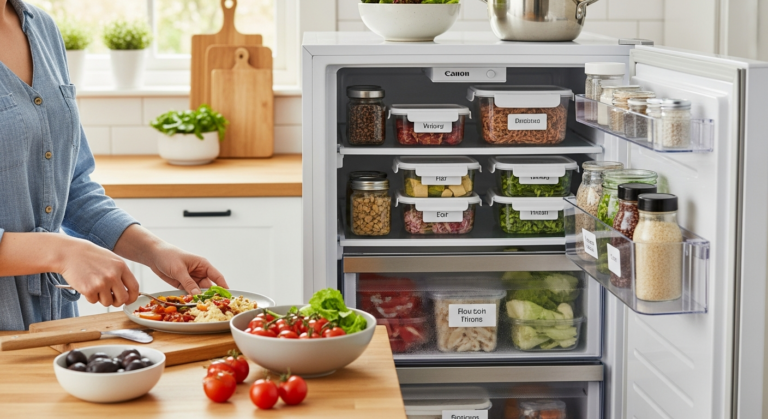
Blend or mash cooked foods and freeze them in silicone ice cube trays. Once frozen, pop the cubes into a labeled bag. Then a “new food day” becomes as easy as thawing one cube of a new food and one of an old favorite. For complete step-by-step instructions, freezing times, and storage safety, see my homemade baby food recipes.
Cook for the family, then adapt
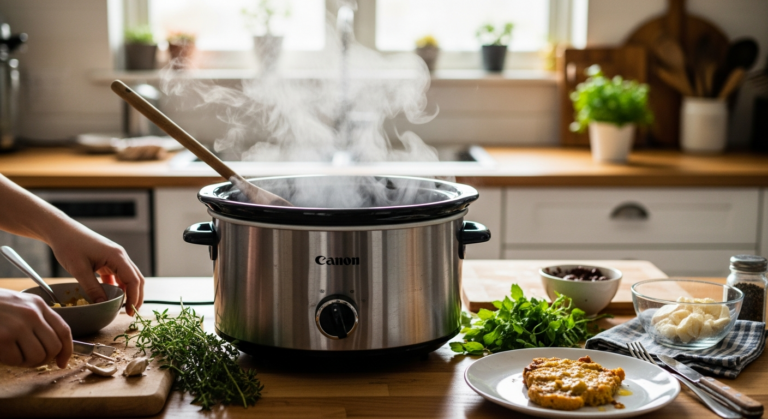
A big pot of lentil soup or a pan of meatballs can feed everybody. Pull your baby’s portion before adding salt, then season the rest. It cuts down the number of separate meals you have to make.
Spice flights
Rather than making a separate dish for each herb or spice, keep a small “flavor tray” habit: one meal, one new pinch. Cinnamon on Monday’s oatmeal, cumin on Wednesday’s carrots, dill on Sunday’s salmon. Nobody has to cook anything extra.
What to Do When a Food Gets Refused
At some point, your baby will clamp their mouth shut and shake their head at a food they ate happily last week. It happens to everyone. Some quick approaches:
- Try again, differently. If steamed broccoli is a no, roast it until the edges crisp, or blend it into a mash.
- Pair it with a favorite. A new vegetable next to a food they love can feel less risky.
- Keep the pressure low. No bribing, no airplane spoons, no cheerleading. Put the food down and let your baby lead.
- Wait a few days to two weeks, then reoffer. Repeated exposure is how many babies get comfortable with new tastes.
- Look at the bigger picture. A baby who eats a solid variety over several days is doing fine, even if a single meal looks meager.
If your baby refuses whole categories of food for a long time, gags or coughs a lot with every texture, or isn’t gaining weight as expected, talk with your pediatrician.
After 100: What Comes Next?
At the first birthday, most babies move toward family meals with a few adjustments. Cow’s milk can join the menu as a drink, honey is fine once they’ve turned one, and salt still needs to stay low. A useful next step is a set of go-to breakfasts and simple meals, like the ideas in breakfast ideas for 12-month-olds. Whether you reach 100 or not, you’ll come out of the year with a much clearer picture of what your baby likes and what’s worth another try.
Then come the toddler years, where the list becomes “foods my toddler will still eat.”
Frequently Asked Questions
Do I really need to reach 100 foods before my baby turns one?
No. The number is a motivator, not a medical target, and plenty of babies land well short of it. What matters most is variety across food groups, iron-rich foods, safe textures, and repeated exposure.
Does a spice or herb really count as a food?
For this list, yes, because herbs and spices expose your baby to new flavors and smells. Keep the amounts small, and skip anything very spicy or any salty seasoning blend.
Should I introduce foods one at a time, waiting days between each?
Most families don’t need to wait days between non-allergen foods, but the common allergens are easier to track one at a time, a few days apart. If your baby has eczema, a known allergy, or a family history of severe allergy, ask your pediatrician for a plan first.
What if my baby loves a food and wants only that?
That’s normal, so let them enjoy it while you keep offering other foods next to it. Try serving the favorite beside a new food, or mixing something new into it, like lentils in a familiar puree.
How many times should I offer a food before deciding my baby doesn’t like it?
Babies often need many exposures, sometimes ten or more, before they accept a new food. Change the preparation, pair it with something familiar, or give it a break for a few days to two weeks. It’s fine if the answer is still no.
Can I count foods in a purée the same as foods served as finger foods?
Yes, what counts is that your baby has tried the food, not how it was served. Over time, mix up the forms (a purée, then a mash, then a soft finger food), and see my finger foods guide for shapes and sizes.
What should I do if I think my baby had a reaction to a food?
Call emergency services for swelling of the face, lips, or tongue, trouble breathing, repeated vomiting, limpness, a change in color, or hives with vomiting, cough, or wheeze. For hives alone or milder concerns, stop the food, call your pediatrician, and follow the reaction steps above.
What are the best first foods for a 6-month-old?
Start with iron-rich foods: well-cooked meat, lentils, beans, and iron-fortified oat or multigrain cereal. Add soft vegetables like sweet potato, avocado, and butternut squash in a safe texture, and plan allergens on their own schedule.
Final Tips for Tracking Your Baby’s First Foods
- Tick a box only when your baby has swallowed some of the food.
- Put iron-rich foods and allergens ahead of the total.
- Reoffer a refused food after a few days to two weeks.
- Check for gaps by food group and color around food 40 or 50.
A checklist is a way to notice how much you’re already doing. Every tick box is a small moment, like a smear of avocado on the tray or a lentil that somehow made it into an eyebrow. Whether you tick off 40 foods or 100, you’re giving your baby a friendly, unhurried start with food. And the tables are right here if you lose the sticky note.