Toddler-Safe Halloween Snacks (No Choking Hazard Shapes)
Learn how to make Halloween snacks safe for toddlers (ages 1-3) by understanding common choking hazards and applying the 'cut, cook, or mash' rule. You'll find specific swaps for classic treats and tips for party tables.
- Recognize round, firm, sticky, or hard-to-chew foods as choking hazards for toddlers.
- Always cut, cook, or mash foods for toddlers (ages 1-3) to prevent choking.
- Swap whole grapes for quartered ones, popcorn for soft bars, and hard candy for purees.
- Keep toddlers seated and supervised while they eat to ensure safety.
This post contains affiliate links. As an Amazon Associate I earn from qualifying purchases.
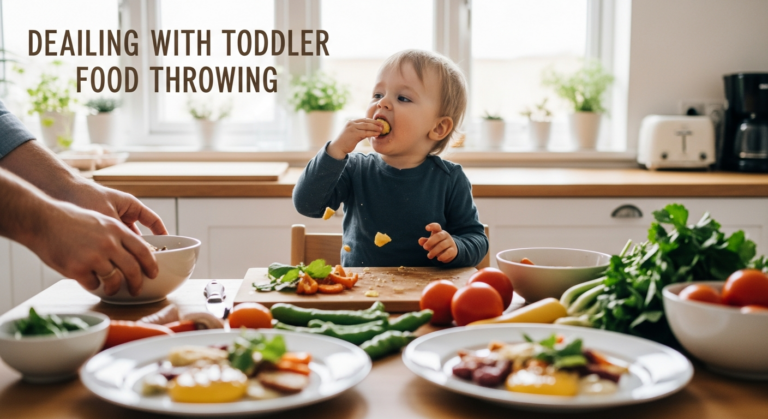
Last October I took my two-year-old to a trunk-or-treat playdate. The snack table had candy corn, popcorn balls, whole grapes dressed up as “eyeballs,” and whole mini candy bars. It was a choking-hazard checklist wearing a Halloween costume, so I steered my toddler to the cut-up fruit.
You don’t have to skip the fun. You just swap the shape: cut, cook or mash, and keep toddlers seated and supervised while they eat. This page has a choking-hazard swap table, no-bake and baked recipes, candy rules by tier, and party-table tips for ages 1–3.
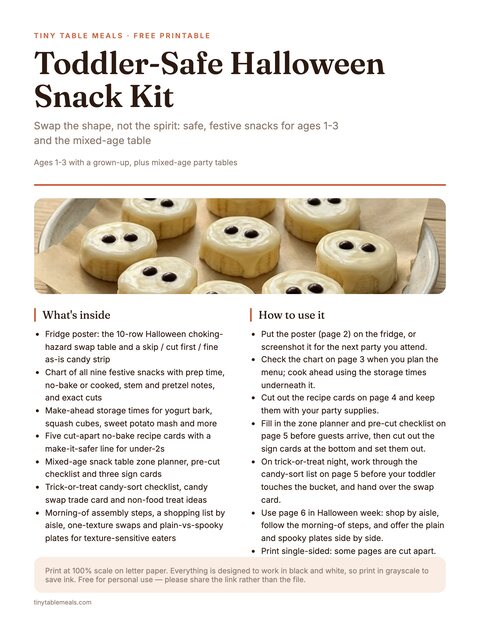
Free printable · 6 pages
Toddler-Safe Halloween Snack Kit
A fridge swap poster with 10 Halloween choking hazards and their toddler-safe swaps, a chart of 9 festive snacks with a shopping list, cut-apart recipe cards with thin half-moon banana ghosts, a mixed-age snack table planner with nut sign cards, a trick-or-treat candy-sort checklist, non-food ideas for safe-house givers, a plain-vs-spooky plate for texture-sensitive eaters and cut-apart candy swap trade cards.
Free. Your download link appears right here. You'll also join the Sunday Supper Plan. Unsubscribe anytime. Privacy
Choking-response steps are in the FAQ at the bottom of this page.
In this article (10 sections)
- Why Halloween Snacks Are Sneakier Than They Look
- The Halloween Choking-Hazard Swap Table
- No-Bake Toddler Halloween Snacks
- Warm, Cooked Halloween Snacks That Still Feel Festive
- Make-Ahead Prep and Storage for Halloween Week
- Halloween Candy: What’s Actually Okay for Ages 1–3
- Building a Halloween Snack Table for Mixed Ages
- Halloween Snacks for Kids Who Struggle with New Textures
- Frequently Asked Questions
- Toddler Halloween Snacks: The Short Version
Why Halloween Snacks Are Sneakier Than They Look
Most cute snack ideas online assume a full set of molars. Whole grapes, popcorn, hard candy, gum and whole nuts all sit on commonly cited choking-hazard lists for children under four, and Halloween puts nearly all of them on one plate.
The seasonal packaging makes them feel safer than they are. A fun-size candy bar is still firm and easy to bite a too-large chunk from. A popcorn ball is still popcorn, held together with corn syrup.
Safety firstRound, firm, sticky and hard-to-chew foods are the main choking hazards under age 4. Keep toddlers seated while they eat, and stay within arm’s reach.
Commonly cited lists, such as those from the AAP, flag similar shapes and textures for kids under four. A holiday theme doesn’t change them. These are the five to watch for.
- Round and firm. Whole grapes, whole nuts, hard candy, gumballs and hot dog coins. These can form a complete seal in a small airway.
- Compressible but not chewable. Whole marshmallows and gummy candy. Kids bite down, and the piece pops back into a size that can lodge.
- Fibrous and hard to break down. Popcorn hulls and hard pretzels. As a rule of thumb, most kids can’t chew these well until around age 4.
- Sticky. Caramel, taffy and gum. Even in smaller pieces, sticky textures can adhere to the airway.
- Slippery and round. Cherry tomatoes, whole cranberries and candy-coated chocolates. These are hard to control with immature oral motor skills.
It’s the same “cut, cook or mash” rule from healthy toddler snack ideas and first finger foods for babies. Halloween leans on round, hard, sticky things like eyeballs, candy corn and caramel apples. The swaps below keep the look and change the texture.
The Halloween Choking-Hazard Swap Table
This is the one to save. Each row takes a Halloween classic from the choking-hazard lists and shows why it’s risky for ages 1–3. The last column is what to serve instead, so the table still looks like Halloween.
| Halloween Classic | Why It’s Risky for Ages 1–3 | Toddler-Safe Swap |
|---|---|---|
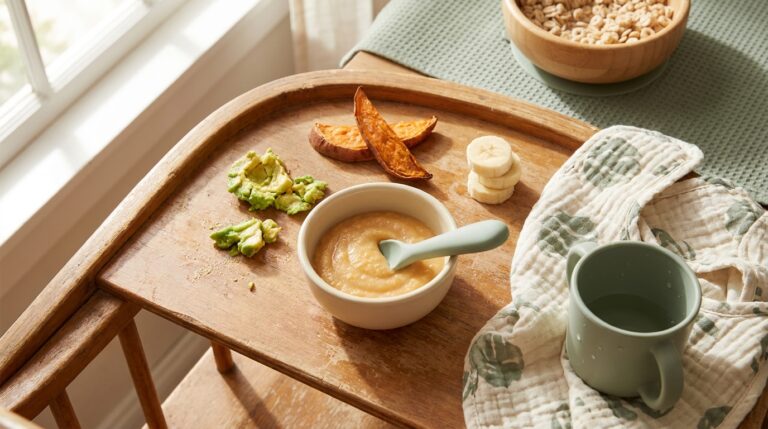
| Whole grapes (“eyeballs”) | Round, slippery, exact size to seal a small airway. | Grapes quartered lengthwise. Or a dollop of mashed avocado with a dab of mashed blueberry for the “pupil.” |
| Popcorn / popcorn balls / caramel corn | Hard hull resists chewing, can’t be mashed by gums alone. | Soft pumpkin oat bars (recipe below), cut into small pieces. |
| Hard candy & lollipops | Dissolve too slowly. Kids bite down and shear off hard chunks. | Thawed frozen applesauce or yogurt dots served from a spoon, or a smooth fruit puree. |
| Candy corn | Small, firm, waxy and sticky, so it clings and doesn’t dissolve quickly. | Mandarin pieces (seeds and tough membrane removed) and soft mango cut pea-to-blueberry size, layered to mimic the orange, yellow and white stripes. |
| Whole nuts (or candy bars with whole nuts) | Hard, round, no give. A top choking hazard on its own. | Sunflower seed butter spread thinly on soft toast strips (never a spoonful or glob), or a thin spread of mashed banana. Any allergen should already have been introduced at home, not first at a party. |
| Caramel apples on a stick | Sticky caramel plus a hard apple bite is a double hazard. | Apple cooked until soft or finely grated, with a thin, fully cooled caramel drizzle. Applesauce with cinnamon works too. Serve on a spoon with supervision. |
| Bubble gum & gummy worms | Choking risk plus zero nutritional upside for this age. | Skip entirely. Swap in a soft fruit “worm” made from a peeled banana sliced into thin strips. |
| Whole mini marshmallows | Round and compressible, but can fully block an airway when swallowed whole. | Skip marshmallows and marshmallow fluff under age 4. For a white “ghost” look, use plain yogurt dollops or a thin spread of whipped cream cheese on soft toast strips. |
| Mini corn dogs / hot dog “fingers” | Hot dog coins are round and firm, and breaded corn dogs are hard to cut safely. | Hot dogs cut into quarters lengthwise, then into small pieces (no coin shapes). Skip corn dogs and anything on a stick under age 4. |
| Taffy & chewy caramels | Extremely sticky. Can adhere to the airway even in small amounts. | Soft pumpkin oat bars (recipe below), plain or with a thin, fully cooled caramel drizzle. |
The free Toddler-Safe Halloween Snack Kit has this swap table as a fridge page. It’s the list I check before I say yes to anything on a snack table that isn’t mine.
No-Bake Toddler Halloween Snacks
These are the five easy treats I make on repeat. Four are no-bake, and the sweet potato is cooked ahead on the stove. Active time is under 15 minutes each and none needs an oven. Yogurt bark and frozen bites need extra freezer time, plus 10–15 minutes to soften before serving.
Good to knowPerishable food can sit out for 2 hours at most. If it’s hot out (above 90°F), like at an outdoor trunk-or-treat, make that 1 hour.
Safety firstAdults pipe the eyes and any other decorations. Use a piping bag or a zip-bag with a snipped corner, and keep toothpicks off the table and out of the food.
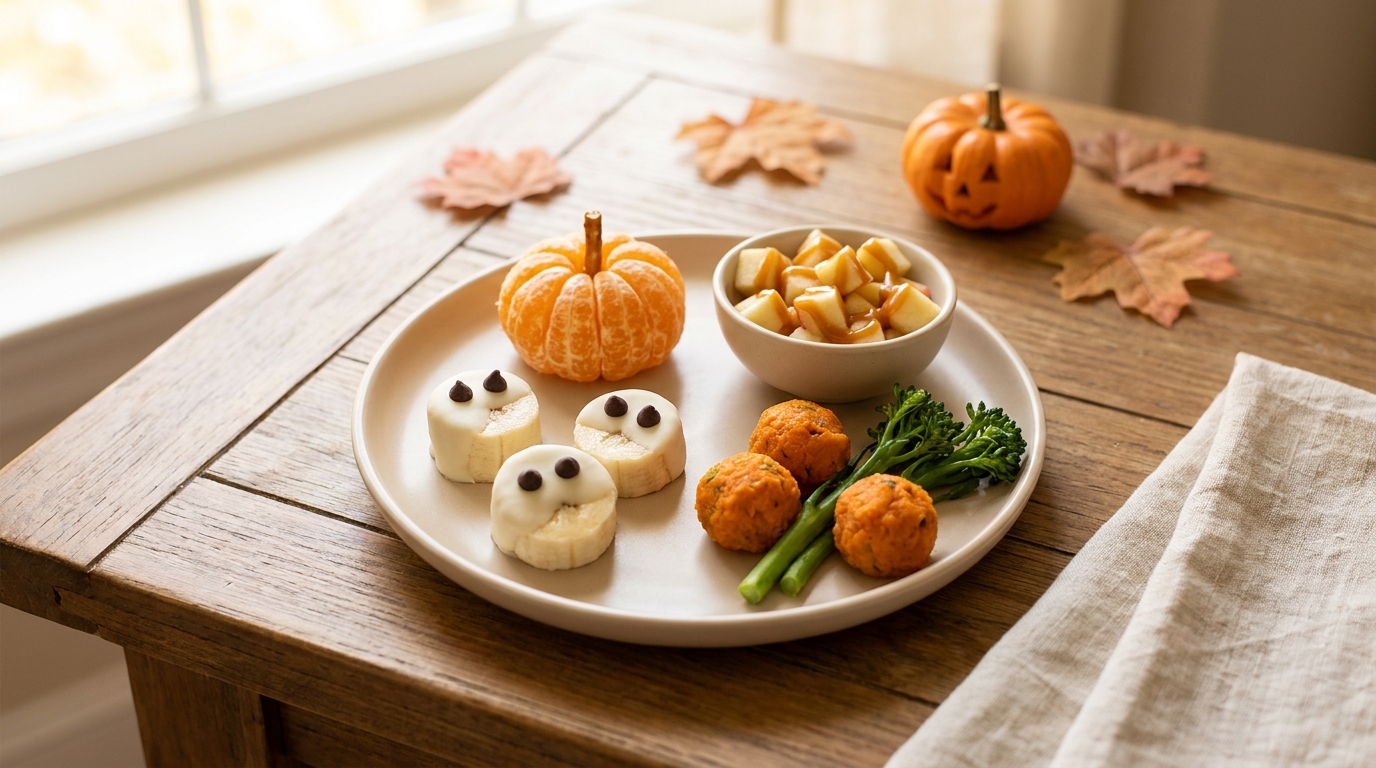
1. Banana Ghosts
- Slice. Cut a banana in half lengthwise, then into thin half-moons, never thick coins.
- Coat. Spread a thin layer of thick plain yogurt over each piece.
- Add eyes. Spoon mashed blueberry into a zip-bag and snip off a tiny corner. An adult pipes two tiny dots onto each piece.
One banana is enough for two or three toddlers. Use no picks or skewers anywhere in these recipes. The eyes are piped on, never poked in. One honest trade-off: banana browns within an hour or so, so assemble these as close to serving time as you can.
2. Mandarin Pumpkins
Peel mandarin oranges and separate them into segments. They’re naturally pumpkin-shaped and pumpkin-colored. Remove any seeds and the tough white membrane, since the segments are slippery. Cut them into small pieces, about pea to blueberry size, for ages 1–2, and halve them for ages 2–3.
Leave stems off for anyone under 4. One mandarin is plenty for one or two toddlers.
3. Yogurt Bark “Graveyard”
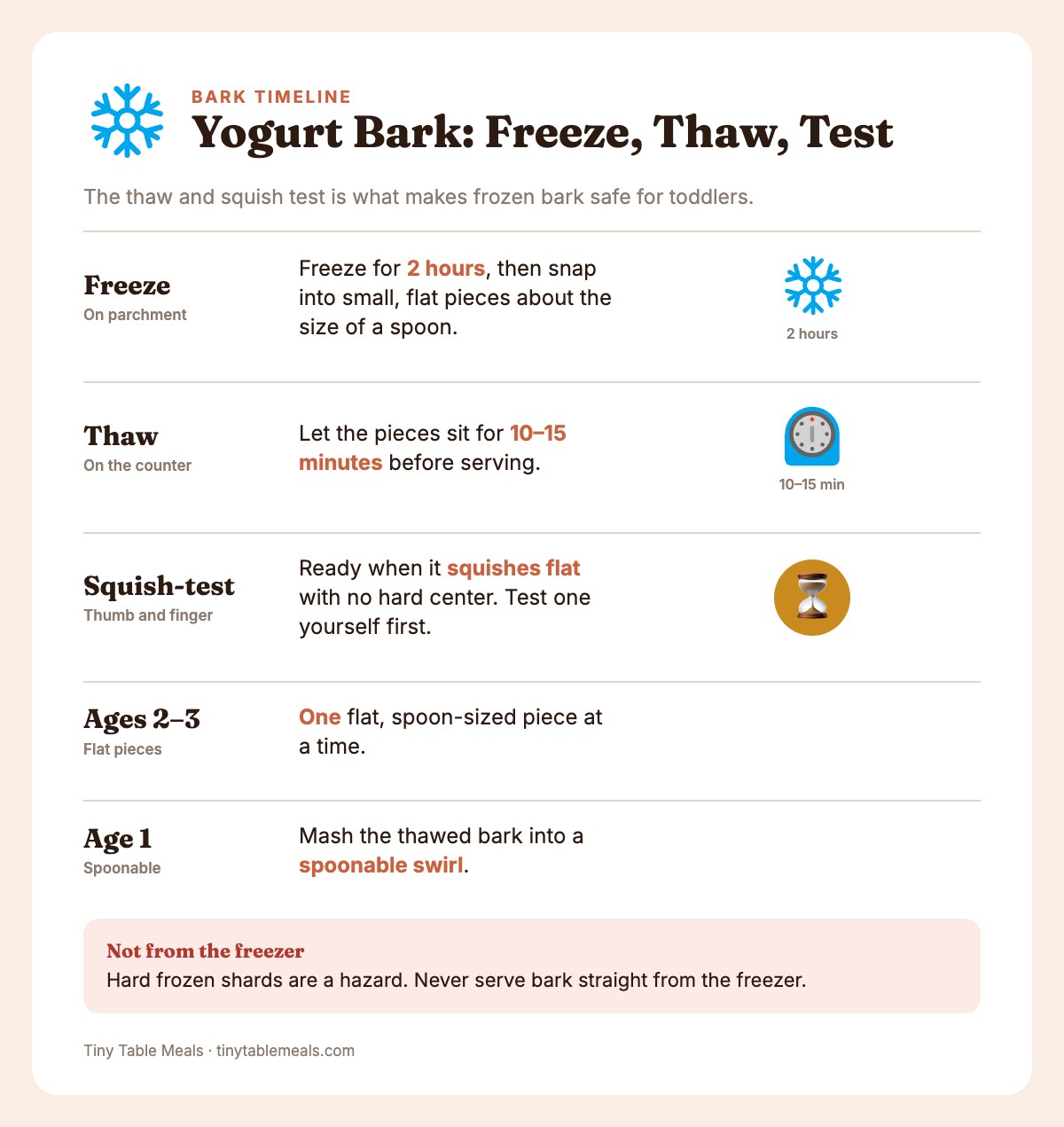
- Spread. Smooth plain or vanilla yogurt thinly over a parchment-lined tray.
- Swirl. Drag mashed berries through it.
- Freeze. Freeze for two hours.
- Break. Snap into small, flat pieces about the size of a spoon.
- Thaw. Let the pieces sit for 10–15 minutes.
- Squish-test. Pinch one piece between your thumb and finger. It’s ready when it squishes flat with no hard center.
Safety firstNever serve bark straight from the freezer, because hard frozen shards are a hazard. Test a piece yourself first. Ages 2–3 get one flat, spoon-sized piece at a time. For a 1-year-old, mash the thawed bark into a spoonable swirl.
Add animal cracker “tombstones” for kids 4 and up only.
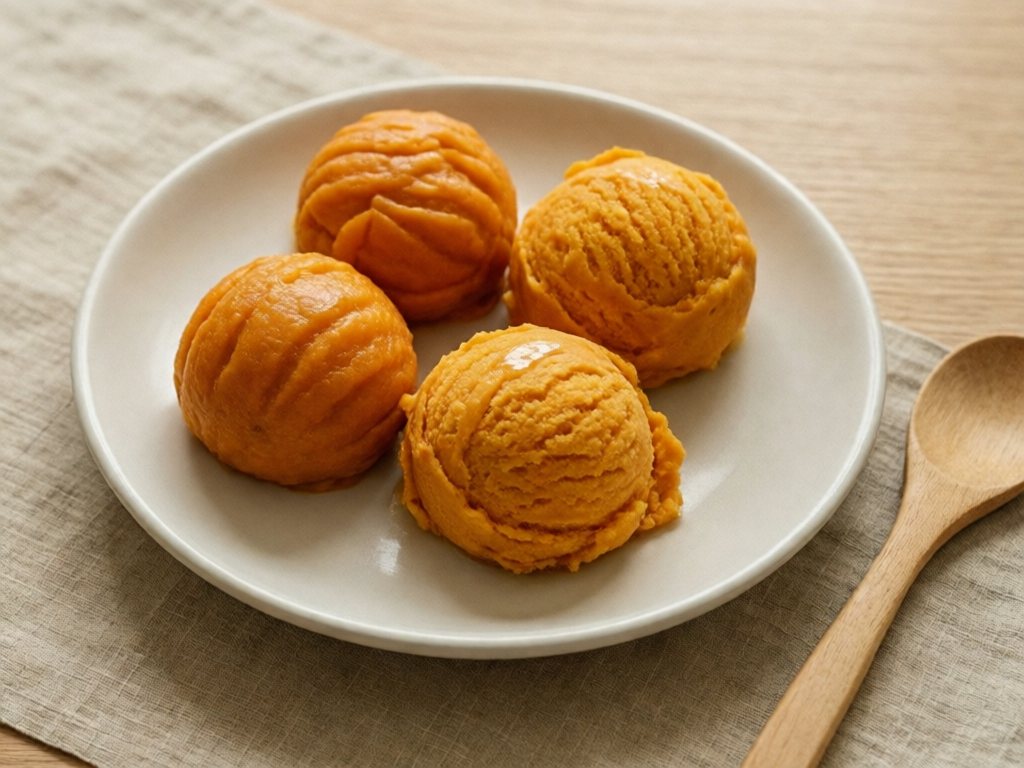
4. Mashed Sweet Potato Pumpkins
This is the one cook-ahead treat on the list. Peel and cube one medium sweet potato, then steam or boil it until very soft, about 15–20 minutes. Mash it smooth and let it cool. One potato makes about a cup of mash, plenty for a small group of toddlers.
Serve the cooled mash as a dollop on a spoon, or use a teaspoon-sized scoop. An ice cream scoop makes a ball that’s too big. Keep the mash moist, not dry or clumpy.
For the pumpkin look, spoon the mash into a muffin liner or a pumpkin-shaped silicone mold, then score lines into it with the back of a spoon.
5. Frozen Yogurt “Candy” Bites
Spoon small, flat dollops of yogurt onto a parchment tray and freeze until firm. Let them thaw until they squish easily between your fingers and are spoonable like soft-serve. That usually takes 10–15 minutes. Test one yourself before serving.
They look like candy, and kids love them. For a 1-year-old, serve them fully thawed from a spoon. Ages 2–3 can have them as flat, melting wafers, with an adult watching. Set aside any piece that is still hard and let it thaw longer.
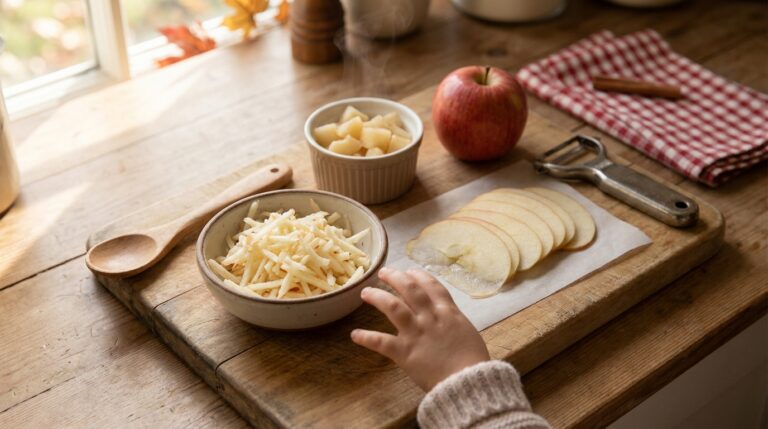
For the caramel-apple swap, start with these toddler-safe apple recipes for Halloween and fall. Apples cooked soft or grated, instead of whole and hard, are what make caramel apples toddler-friendly.
Warm, Cooked Halloween Snacks That Still Feel Festive
Not everything has to be no-bake. A few warm options are worth the extra few minutes, and the oat bars bake ahead. They read as “party food” rather than “toddler food,” which matters when older siblings or other families are coming.
Soft Pumpkin Oat Bars
These are my swap for popcorn balls, caramel corn and taffy. The bananas do the sweetening, so there’s no added sugar. One 8×8-inch pan makes 16 small squares.
- 2 cups quick oats
- 1 cup plain pumpkin puree (not pie filling)
- 2 ripe bananas, mashed
- 1 egg
- 1/2 cup milk
- 1 teaspoon baking powder
- 1 teaspoon cinnamon
- Heat. Set the oven to 350°F and line an 8×8-inch pan with parchment.
- Mix. Stir the pumpkin, mashed banana, egg and milk until smooth. Fold in the oats, baking powder and cinnamon.
- Bake. Spread the batter evenly in the pan. Bake for 25–30 minutes, until the center is set and no longer wet.
- Cool. Let the pan cool completely before cutting.
- Cut. Cut into 16 squares, then cut each square into small pieces for toddlers.
- Squish-test. Pinch a piece between your thumb and finger. It should squash flat easily. Trim off any firm or crusty edges.
TipOnly have rolled oats? Pulse them a few times in a blender first, so there are no chewy whole flakes.
For the taffy and caramel swap, add a thin drizzle of fully cooled caramel to pieces for ages 2 and up. Leave them plain for 1-year-olds.
The bars keep 3–4 days in an airtight container in the fridge, or up to 2 months in the freezer. Thaw frozen bars overnight in the fridge and serve them soft, never frozen.
Good to knowThese contain egg, milk and oats. Serve them only to kids who have already had those foods at home. For an egg-free batch, see egg-free baking substitutes.
Mummy Quesadilla Fingers
Build a basic cheese quesadilla and lay thin strips of mozzarella or provolone across the top in a crosshatch, like mummy wrappings. Cook until the cheese melts, then let it cool fully, since melted cheese is very hot.
Cut into small strips rather than wedges, and add two dots of ketchup or mashed black bean for eyes.
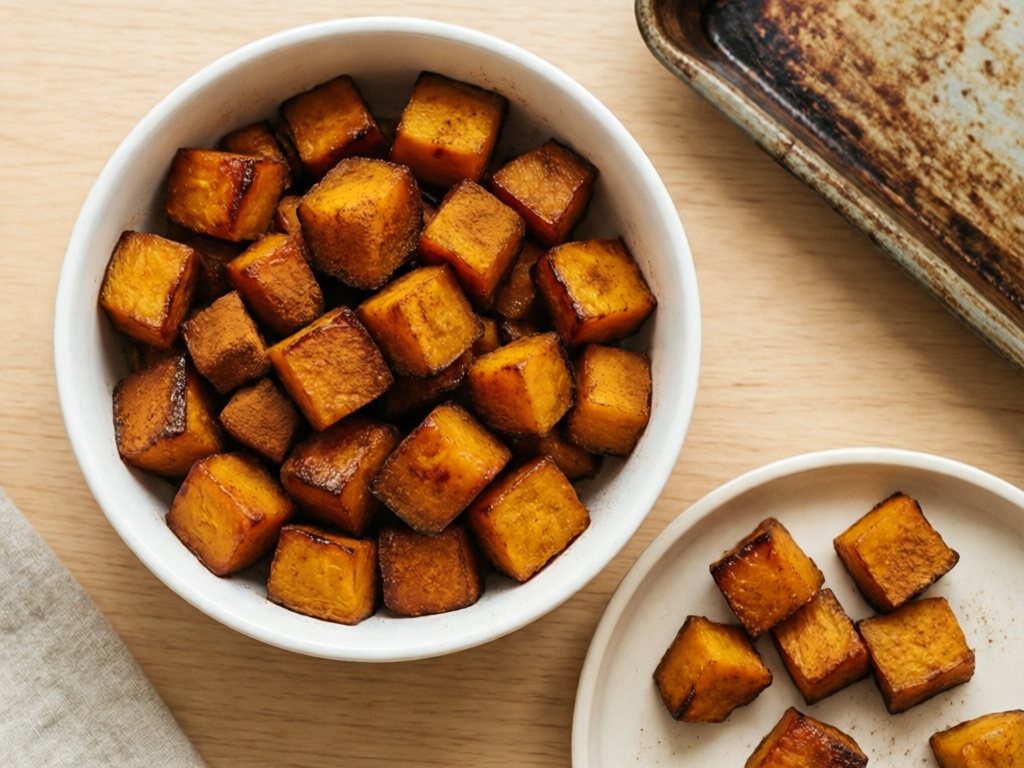
Roasted Pumpkin or Butternut Cubes
Cube and roast pumpkin or butternut squash until fork-tender, then toss with a little cinnamon. Soft-roasted squash is naturally sweet and orange, and it’s easy to eat in small, soft pieces. No fancy shapes needed, because the color does the “Halloween” job.
Mini Pizza “Jack-o’-Lanterns”
Spread sauce and cheese on a small round of soft naan or a soft mini pita. Skip big topping chunks for the face, since raw pepper and olive rings are hard or slippery hazards. Use minced olive, soft cooked pepper bits, or a thin tomato-sauce swirl instead.
Bake until the cheese melts, then cool fully, since melted cheese holds heat. Press down to flatten, and cut into thin strips rather than chewy wedges before serving to a toddler.
Black Bean “Spider” Dip
Mash black beans with a little cumin and lime and spread on a plate. Use thin strips of soft roasted red pepper for spider legs radiating from the edge.
Serve with soft pita strips or toast points rather than crackers, which can be hard and shard-prone for the youngest eaters.
If Halloween lands on a school night, several of these work as part of a fast Halloween dinner before trick-or-treating.
Make-Ahead Prep and Storage for Halloween Week
Halloween week is chaotic, so anything made ahead earns its place. Here’s what holds up, and for how long.
| Snack | Make ahead and store | Day of |
|---|---|---|
| Banana ghosts and mandarin pumpkins | Prep the fruit the night before and keep it in the fridge. | Assemble in the morning, 5 minutes tops. Banana browns and citrus dries out if they sit assembled overnight. |
| Yogurt bark | Freezer for up to two weeks, in an airtight container with parchment between layers. | Thaw 10–15 minutes and test a piece by squishing it. |
| Roasted pumpkin or squash cubes | Roast a big batch on the weekend. Fridge for 3–4 days. | Reheat briefly or serve at room temperature. |
| Mashed sweet potato pumpkins | The mash keeps 3–4 days in the fridge. | Scoop into small dollops the day you serve them, so they don’t dry out. |
| Soft pumpkin oat bars | Fridge for 3–4 days in an airtight container, or freezer for up to 2 months. | Thaw frozen bars overnight in the fridge. Cut into small pieces and squish-test one. |
| Quesadilla fingers | Shred the cheese and portion the tortillas the night before. | Cook fresh. Prep drops to about 3 minutes at party time. |
Good to knowStored snacks follow the same room-temperature rule as the rest of the table: 2 hours at most, or 1 hour in heat above 90°F. Don’t refreeze bark or yogurt bites once they’ve thawed.
Halloween week also needs dinners. Lean on a couple of freezer-to-Instant-Pot dump meals so dinner isn’t one more thing to build from scratch during costume assembly and candy sorting.
Halloween Candy: What’s Actually Okay for Ages 1–3
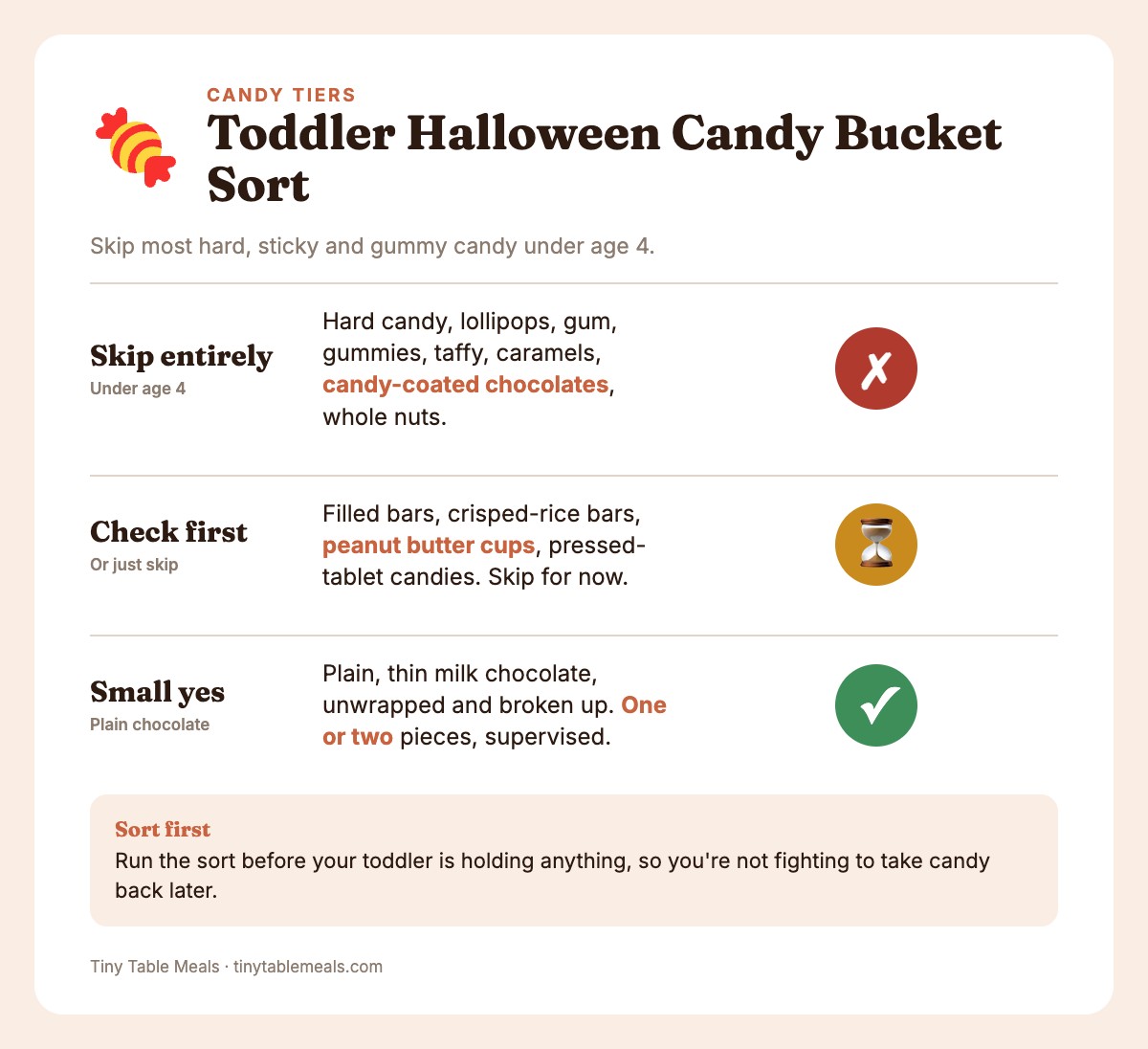
Plain answer: skip most hard, sticky and gummy candy under age 4.
| Tier | Examples | How to handle it |
|---|---|---|
| Skip entirely (under age 4) | Hard candy of any size, including tiny ones like Nerds. Lollipops, gum, gummies and fruit snacks, taffy, caramels, marshmallow treats, anything with whole nuts and candy-coated chocolates. | Pull these from the bucket. They’re hard, sticky, gummy or small and round, and cutting them smaller doesn’t remove the risk. |
| Check first or skip | Caramel- or wafer-filled bars, crisped-rice bars, peanut butter cups and pressed-tablet candies. | Filled bars and peanut butter cups are sticky, and peanut butter cups add an allergen. Pressed tablets are small and firm. Skip them for now. |
| Small yes | Plain, thin milk chocolate that melts quickly. | Unwrap it and break it into small pieces. One or two is plenty, with supervision. |
Candy-sort night checklist. Run it before your toddler is holding anything, so you’re not fighting to take candy back later.
- Sort the bucket before your toddler touches it.
- Pull everything in the skip tier.
- Unwrap and break up any plain chocolate.
- Put the hazard candy out of reach.
- Offer a swap for what you took.
Two more things make trick-or-treat night easier.
- Try a candy swap. Your toddler trades the hard candy and gum for a small toy, or for a trip to pick out a treat you approve of. Many toddlers care more about the ritual of trick-or-treating than the candy itself.
- One or two small pieces of plain chocolate is a normal amount of “yes” for the night. You don’t need to make Halloween a nutrition lecture. Habits form on the other 364 days.
Building a Halloween Snack Table for Mixed Ages
If you’re hosting a class party, playdate or family gathering, you likely have kids from 1 to 10 at one table. You don’t want three separate spreads. I run one table with two zones.
| Zone | Where it sits | What goes there |
|---|---|---|
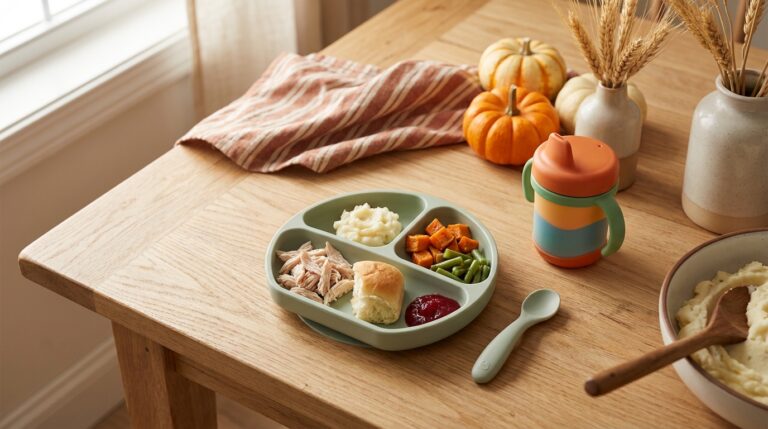
| Toddler zone | Low, near the kids’ seats. | Banana ghosts, mandarin pieces cut small, mashed sweet potato, soft pumpkin cubes and grapes quartered lengthwise. |
| Adult-end zone | A higher surface, out of toddler reach. | Popcorn, hard candy, whole nuts and caramel apples. |
Here’s the system that’s worked for me:
- Split the table into zones, not separate tables. Put the toddler-safe items (cut, soft, mashed) near the kids’ seating area. Put hazard foods (popcorn, hard candy, whole nuts) on a separate, higher surface at the adult end, out of toddler reach.
- Label anything with nuts or hard textures clearly, even if you think everyone knows. A sign that says “contains whole nuts” saves you from having to police it verbally all afternoon. Ask about allergies before the party, list ingredients on the table, and keep nut products on a separate plate with their own spoon.
- Pre-cut everything that could be a hazard before it goes on the table. Don’t rely on remembering to cut a grape once a toddler is reaching for the bowl. If it’s quartered before it goes out, there’s no decision to make in the moment.
- Give toddlers their own small plate rather than a shared serving bowl. It’s easier to control portions and easier to see at a glance what they’ve actually put in their mouth.
- Keep one adult loosely “on” the snack table during active grazing time, the same way you would at a birthday party. Even with every swap made, toddlers this age still need eyes on them while eating.
This zoning logic works beyond Halloween too. It’s the same idea behind a good bento box lunch. Compartments let one meal serve very different eaters without anyone feeling shortchanged.
Halloween Snacks for Kids Who Struggle with New Textures
Halloween is a lot, even for flexible eaters: new colors, new shapes, dyed foods and unfamiliar combinations. For kids who are sensitive to texture changes, it can be a hard night, not just a picky one.
TipOne texture per item, and keep the base food familiar.
A few adjustments that help:
- Keep the base food familiar, change only the color or shape. If your toddler already eats plain yogurt happily, a Halloween version can be that same yogurt tinted with a food-based color like beet, turmeric or spinach powder. The texture stays the same, though the taste may shift a little. Check labels on any coloring. Don’t introduce a brand-new food and a Halloween theme in the same bite.
- Skip mixed textures for these kids. Yogurt bark with berry chunks combines two textures in one bite. So does a quesadilla with melted cheese over a crisp tortilla. That’s what trips up a sensitive eater. Keep each item all-smooth or all-soft.
- Let them help, then offer both versions. Kids who are cautious about new foods are often more willing to try something they helped assemble. Let your toddler spoon yogurt onto a banana ghost or mash the sweet potato. Then put the “spooky” version next to the plain one, with no pressure. Sometimes seeing it on the plate is enough exposure for one day.
If this is a regular pattern in your house and not just a Halloween hesitation, texture troubles in kids goes deeper into why it happens and how to build tolerance gradually. Halloween is one night to apply gentle versions of that approach rather than pushing through.
If your child has a very limited diet, gags often, or seems distressed around food, talk to your pediatrician or a feeding specialist.
Frequently Asked Questions
What Halloween candy is safe for a 1-year-old?
Very little. Most 1-year-olds don’t need candy at all, and the Dietary Guidelines for Americans advise avoiding added sugars before age 2. If you choose to offer a treat, a tiny melting piece of plain, thin chocolate, unwrapped and broken up, is lower-risk than other candy, but skipping it is fine. Check the label for nuts and other allergens. Hard candy, gummy candy, whole nuts, and anything sticky like caramel should be avoided entirely at this age.
Are Halloween popcorn balls ever okay for toddlers?
No. Popcorn is on commonly cited choking-hazard lists for children under four, whatever is holding it together. The hull doesn’t soften with chewing the way most foods do, and it can be hard for toddlers to clear if it goes down wrong. Swap in the soft pumpkin oat bars from the warm snacks section of this page, cut into small pieces. You get the same shareable, hand-held party feel without the popcorn.
How do I make caramel apples safe for a toddler?
Skip the whole apple on a stick. Cook the apple until soft, or grate it finely, then add a thin drizzle of caramel that has cooled completely (hot sauce is a burn risk). Applesauce with cinnamon works too. Serve it on a spoon with supervision. You get the same flavor without a hard apple coated in sticky caramel, which is a hazard on two fronts.
What can I give trick-or-treating toddlers instead of candy?
Non-food treats work well if you want to be a “safe” house for younger trick-or-treaters. Bubbles are the best pick, as long as an adult is supervising. Bubble solution isn’t for drinking, so a grown-up holds the bottle and wand.
If you’d rather give food, skip whole dried fruit like raisins under age 4, since it’s sticky and chewy. Skip fruit snacks, since they’re gummy.
Safety firstPick items too big to fit through a toilet-paper tube. Under age 3, skip small erasers, stickers and crayon pieces, since they go straight into mouths and can be swallowed or choked on. Skip anything with a button or coin battery too, like light-up rings and flashing toys. Leave out balloons (whole or popped), magnets, and glow sticks or glow necklaces, which can leak if bitten. Avoid anything on a cord or string, which can wrap around a neck.
My toddler grabbed a whole grape or piece of hard candy before I could stop them — what should I do?
Stay calm and watch closely. If they’re coughing hard, crying or talking, their airway isn’t fully blocked. Coughing is the most effective way to clear it, so let them keep coughing and don’t reach into their mouth, which can push the object further back. Don’t wait if the cough weakens or goes silent. Move straight to the steps below.
If the cough is weak or silent, or they can’t cry or breathe, or their lips or face turn blue, treat it as a full blockage. Act right away.
- Get help coming. Have someone call 911 while you start. If you’re alone, do 1–2 minutes of the steps first, then call 911.
- Match the response to their age. Infant under 1: lay them face-down along your forearm, head lower than their body, supporting the jaw, and give 5 firm back blows between the shoulder blades. Then turn them face-up on your forearm, head still lower, and give 5 chest thrusts with two fingers in the center of the chest. Repeat. Child 1 or older: stand or kneel behind them, place a fist just above the navel, and give quick inward-and-upward abdominal thrusts until the object comes out.
- If they become unresponsive. Follow the 911 dispatcher’s instructions and start CPR.
- Afterward. Get your child checked by a doctor the same day if you gave back blows, chest thrusts or abdominal thrusts, or if they had trouble breathing. Do this even if the object came out and they seem fine. Call 911 or go to the ER for ongoing cough, wheezing, drooling, trouble breathing or a change in color.
Safety firstNever give abdominal thrusts to an infant under 1. A pediatric CPR and choking class is well worth taking, so these steps aren’t new to you in the moment.
Is candy corn a choking hazard for toddlers?
It can be. Candy corn is small, firm, waxy and sticky, so it clings and doesn’t dissolve quickly for a toddler who is still learning to chew. A safer, equally colorful swap is diced mandarin orange and soft mango pieces, layered to echo the orange, yellow and white stripes. You keep the festive look and lose the hard texture.
What’s an easy no-bake Halloween snack for a toddler class party?
Banana ghosts are the easiest option for a group. Cut bananas into thin half-moons, coat them in a thin layer of thick plain yogurt, and have an adult pipe on the eyes. They take about 10 minutes for a full batch and need no oven. Keep the tray in the fridge until snack time, and check that each piece is thin and soft before serving.
Toddler Halloween Snacks: The Short Version
Three rules cover almost everything on this page.
- Cut, cook or mash anything round, firm or hard.
- Skip hard, sticky and gummy candy under age 4.
- Keep toddlers seated while they eat, with an adult within arm’s reach.
Pick two swaps from the table, save it for parties you didn’t host, and sort the candy bucket before your toddler sees it.