Immune-Boosting Foods for Kids as Cold and Flu Season Starts at School
As cold and flu season begins with school, you can support your child's immune system by consistently providing essential nutrients. Learn practical ways to incorporate immune-boosting foods into their diet to help them fight off germs and recover faster.
- Support your child's immunity with consistent, practical nutrition, not magic "superfoods."
- Ensure your kids get iron, zinc, vitamin C, and protein for strong immune cells.
- Recognize that school increases germ exposure, making intentional nutrition vital.
- Focus on well-fed, hydrated, and rested kids to improve germ resilience and recovery.
- Integrate immune-supporting nutrients into meals your child will actually eat.
My son came home from day four of first grade, dropped his backpack in the middle of the hallway like always, and sneezed so hard his whole body flinched. By Thursday he was on the couch with a fever. By the following Monday, his little sister had it. By the weekend after that, so did I, and my husband was googling “can you get strep from your own children” at 11 p.m. like it was a novel medical mystery instead of the most predictable thing that happens every single September.
If you’ve got a kid in a classroom right now, you already know this rhythm. New school year, twenty-some kids sharing crayons, water fountains, and doorknobs, and a whole crop of germs nobody’s immune system has met yet. You can’t seal your child in a bubble (please don’t try — I’ve thought about it), but you can stack the odds in your favor a little, and food is one of the few levers you actually control every single day. Not a magic shield, not a guarantee nobody gets sick this year, but real, boring, consistent nutrition that gives their immune system what it needs to do its job.
This isn’t a list of superfoods or a pitch for a $40 bottle of elderberry syrup (more on elderberry later, don’t worry). It’s a practical, kid-tested rundown of what to actually put on the table this month, and how to get it into kids who have opinions about texture and will not be lectured into eating a kale salad because “it’s good for your immune system.”
Why September Feels Like Germ Warfare at Our House
There’s a reason it feels like your whole family gets sick within the first month of school, and it’s not bad luck. A few things stack on top of each other in late August and September:
- Kids are back in close contact after a summer of more spread-out socializing — carpools, cafeterias, shared supplies, and thirty kids breathing the same recirculated air for six-plus hours a day.
- Immune systems in young kids are still building their “library” of past infections. Every school year, especially the first year or two of preschool and elementary, introduces a wave of viruses their bodies haven’t fought before.
- Routines get disrupted. Bedtimes slip, breakfast gets rushed or skipped, and the easy, big-batch summer meals give way to chaotic weeknight scrambles — all of which quietly chip away at the foundation their immune system needs.
- Weather is shifting, and kids are in and out of air conditioning, then suddenly cooler mornings, which dries out nasal passages (a virus’s favorite entry point).
None of this means you’re doing anything wrong. It means the next 6-8 weeks are just a genuinely higher-exposure window, and it’s worth being a little more intentional about what’s on their plate during it — not because one smoothie will stop a virus in its tracks, but because kids who are consistently well-fed, well-hydrated, and well-rested simply handle the germs they do encounter better, and bounce back faster.
What Food Can (and Can’t) Do for Kids’ Immune Systems
Let’s get the honest part out of the way: no single food prevents colds. Not orange juice, not garlic, not elderberry gummies, not the green smoothie you’re secretly proud of. If a food claims to “supercharge” or “boost” immunity overnight, that’s marketing, not physiology.
What food can do is give the immune system the raw materials it needs to function well — and a lot of kids, even picky ones who “eat fine,” are quietly running low on a few of those materials. Immune cells are some of the fastest-regenerating cells in the body, which means they’re especially sensitive to gaps in nutrition. A kid who’s low on iron, zinc, vitamin C, or protein isn’t going to catch every cold that walks by, but their body may take longer to fight one off, and they may get hit harder when they do.
So the goal here isn’t perfection or some strict “immune protocol.” It’s consistency: showing up most days with a handful of nutrients that support immune function, layered into meals your kid will actually eat, instead of a special “sick prevention” menu that gets abandoned by Wednesday.
The Core Immune-Support Nutrients, Translated Into Actual Food
Here’s the nutrient cheat sheet I keep in my head (and, honestly, on a sticky note on the fridge) when I’m meal planning for September:
| Nutrient | Why it matters for immunity | Kid-friendly food sources |
|---|---|---|
| Vitamin C | Supports white blood cell function; helps skin (a physical barrier against germs) stay strong | Citrus, strawberries, kiwi, bell peppers, broccoli |
| Zinc | Needed to build and activate immune cells; deficiency is linked to more frequent infections | Beef, chicken, beans, pumpkin seeds, yogurt |
| Vitamin D | Regulates immune response; levels naturally dip in fall/winter with less sun exposure | Fortified milk, salmon, eggs, mushrooms |
| Iron | Low iron is linked to more frequent and longer-lasting infections in kids | Red meat, beans, fortified cereal, spinach |
| Protein | Builds antibodies and immune cell structures | Eggs, meat, dairy, beans, lentils |
| Probiotics/fiber | A large share of immune activity starts in the gut; healthy gut bacteria support immune signaling | Yogurt, kefir, fermented foods, whole grains, fruits, vegetables |
| Water | Keeps mucous membranes (nose, throat) moist and functioning as a barrier | Water, milk, broths, water-rich fruit |
You don’t need to hit every single one every single day. If your kid gets a good spread of these across a week, you’re doing plenty. Two of these — iron and protein — are areas I see families under-shoot most often, so I want to spend extra time there. If you want the deeper dive on either, I’ve got full guides: Iron-Rich Meals and Snacks for Kids: An Age-by-Age Guide to Preventing Deficiency and High-Protein Meals and Snacks for Kids: An Age-by-Age Guide for Growing Bodies.
Vitamin C Foods That Don’t Require a Gummy Bribe
Vitamin C gets all the cold-season attention, and for good reason — it genuinely supports immune cell function and helps your child’s skin and mucous membranes act as a stronger first line of defense. But kids don’t need a mega-dose or a chewable vitamin shaped like a dinosaur to get there. A handful of ordinary produce covers it easily:
- Strawberries — a cup has more vitamin C than an orange, and they disappear off the plate faster than almost anything else I serve
- Kiwi — cut in half and handed over with a spoon, it’s basically a self-contained snack
- Bell peppers (especially red and yellow) — sliced into sticks with hummus, or diced small into scrambled eggs where the color barely registers as “vegetable”
- Oranges and clementines — clementines are the MVP of September specifically because they’re easy for small hands to peel themselves
- Broccoli — yes, actually one of the higher vitamin C foods per cup; roasted until the edges crisp up, it reads more like a snack than a vegetable to a lot of kids
- Pineapple — bonus: it also contains bromelain, which some research links to reduced inflammation
My rule of thumb: if I can get one vitamin-C food into breakfast and one into lunch or a snack, I’ve covered the day without ever mentioning the word “vitamin.”
A Real Trick That Works: The Fruit Bowl on the Counter, Not the Fridge
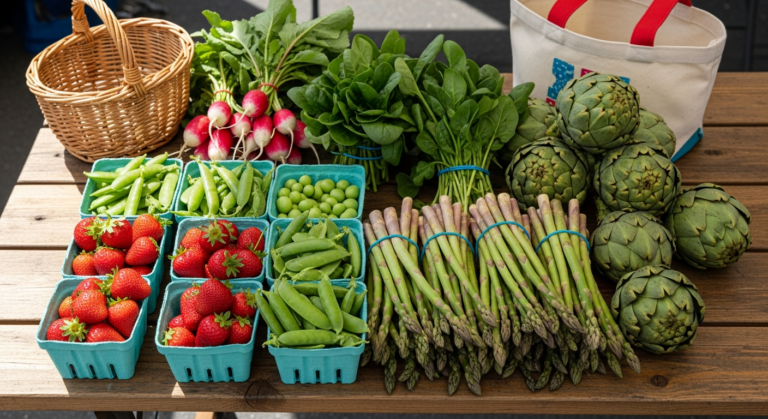
This sounds too simple to matter, but it’s the single biggest change I made. Fruit that’s visible and at eye level gets eaten. Fruit buried in the crisper drawer does not. I keep a bowl of clementines, apples, and whatever’s in season on the counter from the second school starts, and my kids graze on it without being asked — no lecture required.
Zinc and Protein: The Immune Nutrients Nobody Talks About
Everyone reaches for orange juice in cold season. Almost nobody thinks about zinc, and it’s arguably doing more heavy lifting. Zinc is essential for actually building and activating immune cells — not just supporting them, but constructing them — and it’s one of the nutrients picky eaters run low on most often, because the best sources (meat, beans, pumpkin seeds) aren’t always kid-favorites.
Easy zinc sources that tend to go over well:
- Ground beef or turkey in tacos, meatballs, or pasta sauce
- Pumpkin seeds (pepitas) — roasted and lightly salted, great in a school-safe snack mix
- Yogurt, especially Greek yogurt
- Chickpeas, blended into hummus or roasted crispy as a snack
- Eggs, any style
Protein deserves its own mention here because immune cells and antibodies are literally built from protein. A kid running on carb-heavy breakfasts (a granola bar and juice, say) and light on protein throughout the day isn’t giving their body the building blocks it needs to mount a strong response to whatever’s going around the classroom. The fix isn’t dramatic — it’s making sure protein shows up at breakfast, not just dinner. A scrambled egg, a spoonful of peanut butter, or a cheese stick alongside the cereal makes a bigger difference than people expect. For a full week of ideas broken out by age, that high-protein guide has been one of the most useful things I’ve put together for exactly this season.
Gut Health Is Immune Health: Yogurt, Fiber, and Fermented Foods Kids Will Eat
This is the piece that surprises most parents: a huge share of the immune system actually lives in the gut. The bacteria living there help train and regulate immune responses, which means feeding those bacteria well is one of the more overlooked ways to support your kid through cold season.
Two things matter here — probiotics (live beneficial bacteria) and fiber (the food that feeds them):
Kid-friendly probiotic foods:
- Plain or lightly sweetened yogurt (check the label — look for “live and active cultures”)
- Kefir, which works well blended into smoothies where the tang disappears
- Mild fermented pickles (not vinegar-only quick pickles — look for ones in the refrigerated section)
- Some cheeses, like cheddar and gouda, contain live cultures too
Fiber sources that actually feed that good bacteria:
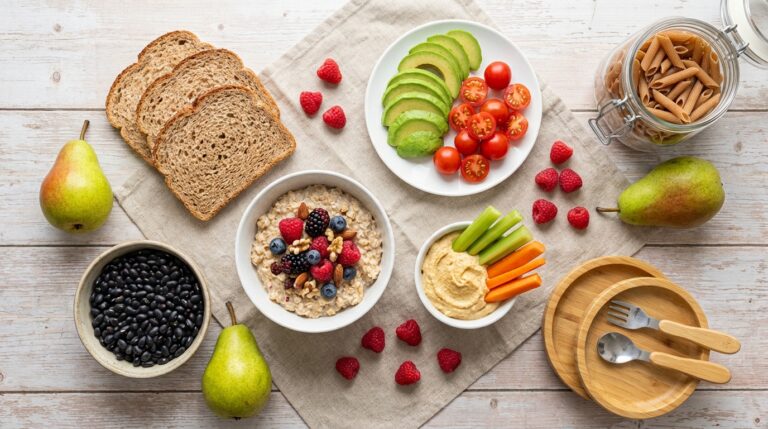
- Oats, whole grain bread and pasta
- Beans and lentils, even a spoonful stirred into rice or soup
- Fruits with the skin on (apples, pears)
- Vegetables of basically any kind
If your kid is a fiber holdout, I put together a whole guide of ways to sneak it in without a fight: Fiber-Rich Meals and Snacks Kids Will Actually Eat. A daily yogurt plus a fiber source at one or two meals is a genuinely reasonable, low-drama target.
Sneaky Ways to Pack Immune Nutrition Into Meals They Already Love
I don’t do “sneaky” as a rule — I’d rather my kids know what’s in their food and eventually choose it themselves. But during the first stretch of school, when everyone’s tired and mornings are chaos, I lean on a few low-effort moves that quietly stack the nutrient deck without adding a fight to the schedule:
- Blend spinach or a handful of frozen cauliflower into pasta sauce. It disappears completely into the color and texture of marinara.
- Add pureed pumpkin or sweet potato to mac and cheese, oatmeal, or pancake batter. Beta-carotene converts to vitamin A, another nutrient that supports the mucous membranes lining the nose and throat.
- Stir a spoonful of ground flaxseed or wheat germ into yogurt or smoothies. Zero flavor impact, real nutrition boost.
- Upgrade the cheese quesadilla with black beans mashed in. Kids rarely notice; you’ve just added fiber, zinc, and protein to a food they’d eat anyway.
- Make popsicles out of pureed fruit and yogurt. A frozen treat that’s basically a vitamin C and probiotic delivery system, and nobody’s mad about it.
- Swap plain crackers for a homemade trail mix with pepitas, dried fruit, and a few dark chocolate chips for buy-in.
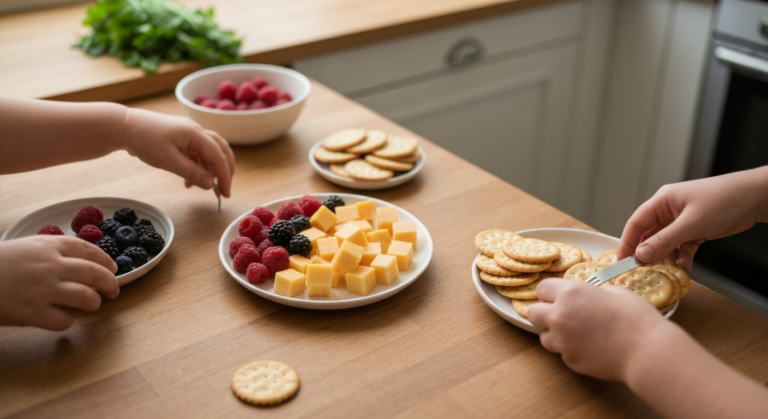
If your kids are old enough to help make their own after-school snack, even better — they’re far more likely to eat something they had a hand in assembling. I’ve got 20 kid-doable options in After-School Snacks Kids Can Make Themselves: 20 Easy Recipes for Independence, and a good chunk of them double as immune-support snacks without being labeled that way — yogurt parfaits, hummus and veggie plates, trail mix.
A Sample Immune-Boosting Day (Breakfast to Dinner)
Theory is nice, but what does this actually look like on a Tuesday? Here’s a real day from our house during the first month of school — nothing fancy, nothing that takes more than 15 minutes of active effort at any single meal.
| Meal | What’s on the plate | Immune nutrients covered |
|---|---|---|
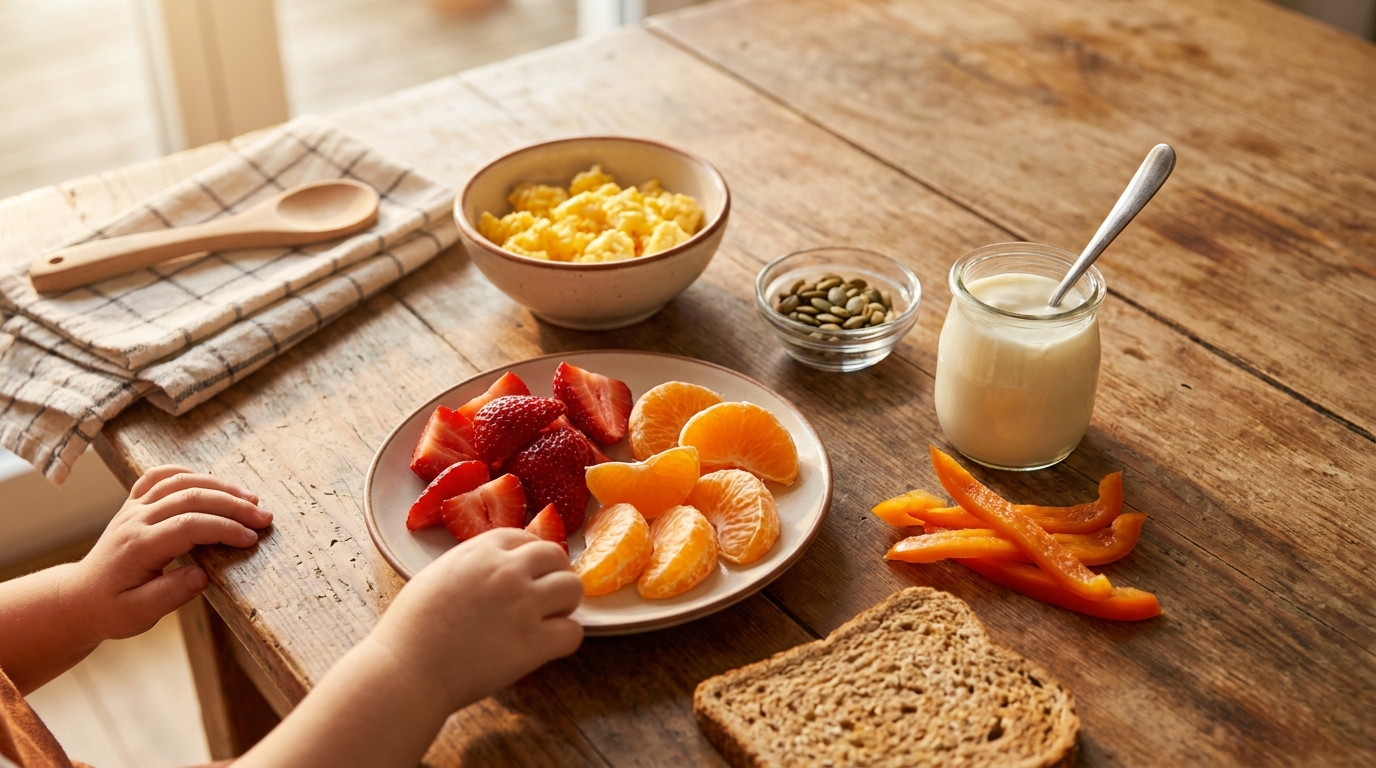
| Breakfast | Scrambled eggs, whole wheat toast, sliced strawberries | Protein, zinc, vitamin C |
| Mid-morning snack (school) | Clementine, pumpkin seed trail mix | Vitamin C, zinc |
| Lunch | Turkey and cheese roll-ups, bell pepper strips, yogurt tube | Protein, vitamin C, zinc, probiotics |
| After-school snack | Apple slices with peanut butter | Fiber, protein |
| Dinner | Beef and black bean tacos with shredded cabbage, salsa, avocado | Protein, zinc, iron, vitamin C, fiber |
| Evening | Water or milk, not juice, in the hour before bed | Hydration |
Nothing here requires a special trip to a specialty grocery store, and nothing requires convincing a seven-year-old to eat something green and mysterious. It’s mostly foods they already eat, arranged so the nutrient gaps get filled without anyone noticing there was a strategy involved.
For school lunch specifically, if you’re staring down a week of packing and want fresh combinations that still hit these nutrients, both Bento Box Lunch Ideas for Kids: Creative Combos They’ll Actually Eat and Nut-Free School Lunch Ideas That Still Feel Fun and Filling are built around exactly this kind of protein-plus-produce balance.
And since September is also the tail end of peak produce season in most of the country — the last good tomatoes, corn, peaches, and melons before things shift to fall — it’s worth stocking up now while prices and quality are both good. I’ve got a full rundown in End-of-Summer Produce Guide: What to Buy Before Peak Season Ends if you want to make the most of the last few weeks of it.
What to Feed a Kid Who’s Already Down With a Cold
Prevention only goes so far — at some point this season, despite everyone’s best efforts, a virus is going to win. When that happens, the goal shifts from “immune support” to “comfort and hydration,” and honestly, appetite usually drops off anyway, so this isn’t the moment to force a nutrient checklist.
A few things that actually help once they’re sick:
- Fluids first, food second. Water, diluted juice, broth, popsicles — a sick kid who’s drinking plenty and eating a little is in better shape than one who’s eating well but barely drinking.
- Warm broths and soups genuinely do help — they keep mucous membranes moist, are easy on a scratchy throat, and the steam can ease congestion.
- Don’t force the vegetables. This is a short window; a few days of toast, applesauce, and crackers while their appetite is low isn’t going to undo weeks of good nutrition. Meet them where they are.
- Vitamin C and zinc-rich foods are still nice to offer (a popsicle made from real fruit juice, a smoothie) but they won’t shorten a cold that’s already underway — the “load up on oranges once you’re sick” idea is more folklore than proven fact.
- Skip the sugary sports drinks unless there’s vomiting or diarrhea involved and you need the electrolytes; for a garden-variety cold, water and diluted juice do the job without the sugar crash.
And a quick word on supplements, since it comes up every year around now: there’s some evidence zinc lozenges can modestly shorten a cold’s duration in adults if started right at the first symptom, but the research in kids is much thinner, and most pediatric zinc supplements aren’t well studied for this use. Elderberry has some early evidence too, but nowhere near enough to call it reliable. My take, and what I do in my own house: focus the supplement conversation on your pediatrician, and focus your own energy on the food and rest side of things, where the evidence is much more solid.
Frequently Asked Questions
Does orange juice actually help prevent colds?
Not on its own. Vitamin C supports immune function, but studies consistently show it doesn’t prevent colds in most people — it may modestly shorten one that’s already happening in some cases. Whole fruit (an orange or strawberries) is a better choice than juice anyway, since it comes with fiber and less sugar, and it supports the same nutrient without the sugar spike that juice delivers on an empty stomach.
My kid is a picky eater who won’t touch vegetables. Is there any point trying to “immune-boost” their diet?
Yes, absolutely — you just widen the lens beyond vegetables. Protein (eggs, meat, cheese, yogurt), zinc-rich foods (beef, pumpkin seeds, beans), and even fruit alone can cover a meaningful share of these nutrients. Vegetables help, but they’re not the only door in. If picky eating is a bigger, ongoing struggle at your table, our Picky Eater Quiz can help you figure out what’s actually driving it so you’re not fighting the wrong battle.
Should I be giving my kid a daily multivitamin during cold season?
For most kids eating a reasonably varied diet, a daily multivitamin isn’t necessary — food covers it. That said, vitamin D is the one nutrient many kids genuinely fall short on, especially as daylight hours shrink in fall, so it’s worth asking your pediatrician specifically about vitamin D status rather than reaching for a general multivitamin as a catch-all.
Do probiotics from yogurt actually make a difference, or is that marketing?
There’s real, growing research connecting gut bacteria to immune function, and yogurt with live active cultures is one of the easiest, most kid-friendly ways to support that. It’s not a guarantee against getting sick, but a daily serving of yogurt is a low-effort, well-evidenced habit worth keeping year-round, not just during cold season.
How much does sleep actually matter compared to food for immune function?
Honestly, probably more. Sleep deprivation measurably suppresses immune function in both kids and adults, and the first month of school — with new wake-up times and often later bedtimes from schedule chaos — is exactly when sleep tends to slip. Good food and good sleep work together; neither one fully makes up for a shortfall in the other, so if you can only fix one thing this month, an earlier bedtime might beat a perfect meal plan.
Is it normal for my kid to get sick constantly the first year of school or daycare?
Yes, very. It’s common for kids in their first year or two of group care to get 8-10 colds a year, sometimes more, simply because their immune system is encountering so many new viruses for the first time. It typically tapers off by kindergarten or first grade as their exposure history builds up. Frequent illness alone in an otherwise healthy, growing kid usually isn’t a sign something’s wrong — it’s just the process working.
What’s actually worth packing in a lunchbox for immune support, if I only have 10 minutes to pack it?
Prioritize one protein, one fruit, and one dairy item — something like turkey roll-ups, a clementine, and a yogurt tube covers protein, zinc, vitamin C, and probiotics in under five minutes with zero cooking. If you want a full week of fast, no-fuss combinations, Back-to-School Lunch Prep: A Week of School Lunches You Can Pack in 10 Minutes is built around exactly this constraint.
A Note for the Weeks Ahead
Your kid is probably going to catch something this fall. Mine will too, most likely more than once, because that’s just what happens when a classroom full of small humans shares everything from crayons to head colds. But showing up most days with a protein at breakfast, some color on the lunch plate, and a yogurt or a piece of fruit within reach isn’t nothing — it’s the quiet, unglamorous groundwork that helps their body do what it’s built to do. You don’t need a perfect week. You just need enough good days strung together, and a lot of grace for the ones that fall apart. Here’s to a healthy(ish) September.