Egg-Free Breakfast Ideas for Kids: 25 Delicious Options They’ll Actually Eat
Discover 25 delicious egg-free breakfast ideas for your kids, categorized by prep time, protein, and allergens. You'll find a quick-pick table and essential safety basics for feeding children.
- Find 25 egg-free breakfast ideas, sorted by time, protein, and allergens.
- Use the quick-pick table to match ideas by age, protein, and allergens.
- Prioritize safety basics, especially for kids under 4, including cutting rules.
- Check protein levels (high, medium, low) and age suitability for each idea.
- Note allergen information and potential swaps like sunflower seed butter.
It’s 7:15 AM, the kids leave in 30 minutes, and eggs are off the table. Here are 25 egg-free breakfasts sorted by time: grab-and-go, hot, make-ahead, high-protein and weekend-special. Use the quick-pick table to match time, protein and allergens, then read the safety basics before you cook.
Safety firstFeeding a baby or a child under 4? Read the Safety Basics checklist right after the table before you cook.
Diagnosed egg allergyIf your child has a diagnosed egg allergy, never reintroduce egg, including baked egg, unless the allergist directs it.
In this article (12 sections)
- Quick-Pick Table: All 25 Ideas
- Safety Basics Before You Cook
- Protein Without Eggs: What to Aim For
- Grab-and-Go Egg-Free Breakfasts (5 Minutes)
- Hot Egg-Free Breakfasts (10-15 Minutes)
- Make-Ahead Breakfast Options
- Protein-Packed Options for Active Kids
- Weekend and Special Occasion Egg-Free Breakfasts
- Weekly Egg-Free Breakfast Meal Prep Plan
- What to Do When Kids Won’t Eat Egg-Free Breakfasts
- Frequently Asked Questions
- Egg-Free Breakfast Ideas: Where to Start
Quick-Pick Table: All 25 Ideas
Age is the youngest age each idea suits. 6 mo+ (plain) means there is a baby version with no sweetener, salt, chocolate or crunchy toppings. 12 mo+ means toddlers and older kids.
The baby versions assume milk, wheat and oats are already introduced with no reaction. If any of them is new for your baby, ask your pediatrician first.
Protein is per full kid-size serving. High is about 12g or more, Medium is about 6-11g, and Low is under 6g. Most toddlers eat about half a serving, and that is fine.
In the allergens column, nuts means peanut or tree nuts. Where they come from nut butter, sunflower seed butter swaps in.
| Idea | Age | Morning time | Protein | Main allergens | Make-ahead? |
|---|---|---|---|---|---|
| 1. Overnight oats | 6 mo+ (plain) | 5 min (prep night before) | Medium | Milk, nuts, oats | Yes |
| 2. Yogurt parfait | 12 mo+ | 5 min | High | Milk, wheat, nuts (optional) | Partly |
| 3. Nut butter toast | 12 mo+ | 5 min | Medium | Wheat, nuts or sesame | No |
| 4. Smoothie bowl | 12 mo+ | 5 min | Medium | Milk, nuts, soy | Partly |
| 5. Cheese and fruit plate | 12 mo+ | 5 min | Medium | Milk, wheat, nuts (ages 4+) | No |
| 6. Pancakes | 6 mo+ (plain) | 15 min | Low | Milk, wheat | Dry mix |
| 7. French toast | 12 mo+ | 15 min | Low | Milk, wheat | No |
| 8. Oatmeal bar | 6 mo+ (plain) | 10 min | Low-medium | Milk, nuts | Partly |
| 9. Quesadillas | 12 mo+ | 10 min | Medium-high | Milk, wheat, peanut (sweet version) | No |
| 10. Avocado toast | 12 mo+ | 10 min | Low-medium | Wheat, milk | No |
| 11. Baked oatmeal cups | 6 mo+ (plain) | 2 min reheat | Low-medium | Milk, nuts (carrot cake version, ages 4+) | Yes |
| 12. Breakfast bars | 12 mo+ | 0 min | Medium | Peanuts | Yes |
| 13. Freezer waffles | 12 mo+ | 3 min toast | Low | Milk, wheat | Yes |
| 14. Breakfast burritos | 12 mo+ | 3 min reheat | Medium | Milk, wheat | Yes |
| 15. Chia pudding | 12 mo+ | 0 min | Medium | Milk, nuts (optional boost) | Yes |
| 16. Cottage cheese bowls | 12 mo+ | 5 min | High (Medium for a ¼-cup toddler portion) | Milk | No |
| 17. Greek yogurt pancakes | 12 mo+ | 15 min | Medium | Milk, wheat | Dry mix |
| 18. Protein-boosted oatmeal | 12 mo+ | 10 min | High | Nuts, milk | No |
| 19. Bean breakfast hash | 12 mo+ | 10 min | Medium | Milk | Yes |
| 20. Tofu scramble | 12 mo+ | 10 min | Medium-high | Soy, milk (optional cheese) | No |
| 21. Breakfast banana splits | 12 mo+ | 5 min | Medium | Milk, wheat | No |
| 22. Rainbow fruit plate | 12 mo+ | 10 min | Low | Milk | No |
| 23. Mini bagel bar | 12 mo+ | 10 min | Medium | Wheat, milk, sesame, nuts | No |
| 24. Cinnamon roll oatmeal | 12 mo+ | 10 min | Low | Milk | No |
| 25. Breakfast board | 12 mo+ | 10 min | Medium | Milk, wheat, nuts | Partly |
Safety Basics Before You Cook
These rules apply to every idea below. The cutting rules are for kids under 4.
- No honey under 12 months (infant botulism risk).
- For babies under 12 months, skip added sweeteners, chocolate chips, glaze and chocolate sauce. The Age column in the table shows which ideas have a baby version.
- Added sugars are best kept to a minimum before age 2. For 12-23 months, treat maple syrup, brown sugar, chocolate chips, glaze and chocolate sauce as optional, and keep any you use tiny.
- For older toddlers and kids, use a small drizzle of maple syrup.
- Quarter grapes lengthwise, cut cheese into thin strips, and slice apple thin or grate it.
- Halve or mash blueberries. Skip whole or chunky nuts.
- Mash beans and chickpeas. Mash or finely chop corn kernels.
- Spread nut butter thinly. For young toddlers, keep toast soft and cut it into strips.
- Keep pepperoni and deli meat occasional, low-sodium and finely chopped.
- Chop or soak dried fruit.
- Cool hot food and test it before serving. Stay with your child while they eat.
- Chia seeds are for 12 months and up, and only when soaked in liquid until fully gelled. Allow at least 15-30 minutes, and never sprinkle them on dry.
- Milk stirred into oats, batter or baked cups is fine for babies who already tolerate it. Hold off on cow’s milk as a drink until 12 months.
- Refrigerate cooked leftovers within 2 hours, or within 1 hour if it is above 90°F. Reheat them until steaming hot.
- Read the label on every packaged item for egg and cross-contact. That covers bagels, tortillas, waffles, granola, bread and muffins.
- Use certified gluten-free oats if gluten is also a concern.
Babies vs. toddlersFor babies 6-12 months, stick to the ideas marked 6 mo+ (plain) in the table: overnight oats, soft pancakes, plain oatmeal and baked oatmeal cups. Plain yogurt and mashed banana work too. Leave out the sweetener, salt, chocolate chips, granola and dried fruit.
For babies, skip the chia and nut butter boosts unless your pediatrician has cleared them and the allergen is already introduced. Once nut butter is cleared, thin it into the oats instead of spreading it. Chia is for 12 months and up, and only when fully gelled.
Everything marked 12 mo+ is for toddlers and older kids. That includes the granola parfait, smoothie bowl, oatmeal bar toppings, bars, pizza toast, banana split, bagel bar, cinnamon roll oatmeal and breakfast board. Ask your pediatrician first if your baby is new to solids or to an allergen. See breakfast ideas for a 12-month-old for more.
Tahini is sesame, tofu is soy, and nut butters are nuts. Ask your pediatrician or allergist about introducing peanut (see introducing allergens to baby).
For several allergies or a vegan diet, check in with a pediatrician or registered dietitian. Also see multiple food allergies at mealtime.
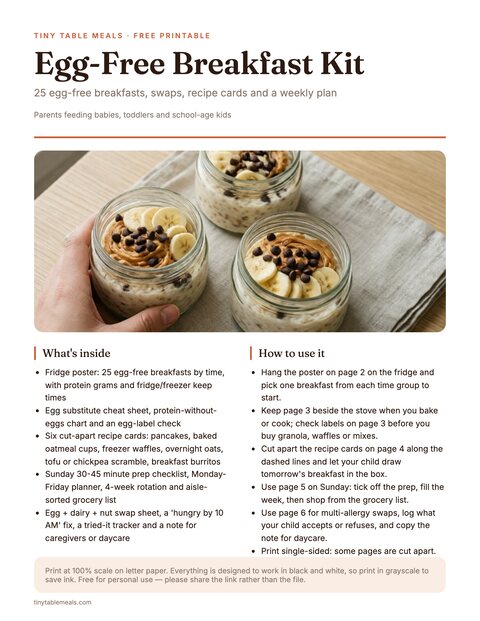
Free printable · 6 pages
Egg-Free Breakfast Kit
A fridge poster of 25 egg-free breakfasts with protein and keep times, an egg-swap and protein cheat sheet with an egg-label check, six cut-apart recipe cards, a Sunday prep checklist with a Monday-Friday planner, rotation and grocery list, and an allergy swap sheet with a tried-it tracker.
Free. Your download link appears right here. You'll also join the Sunday Supper Plan. Unsubscribe anytime. Privacy
Protein Without Eggs: What to Aim For
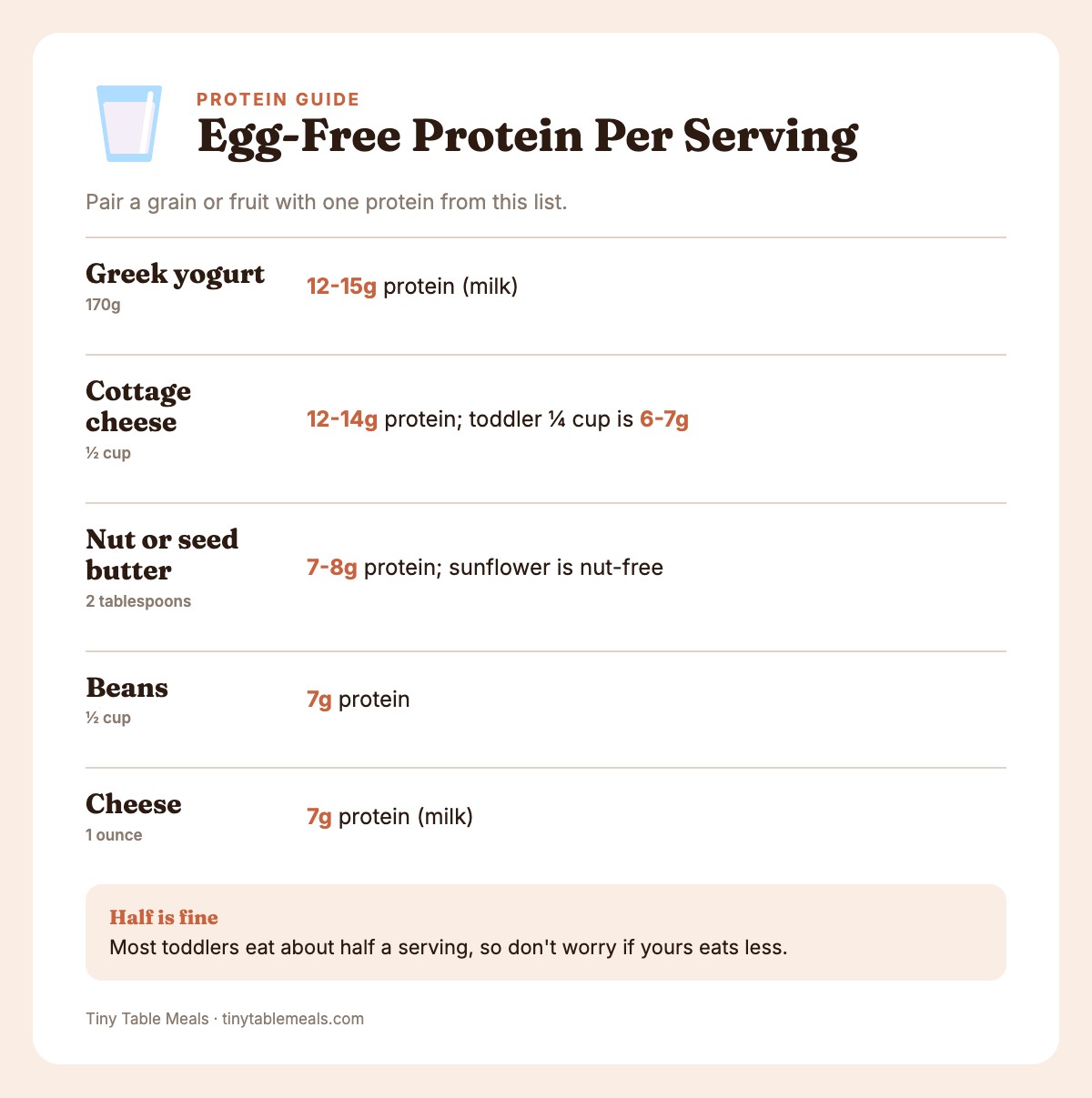
Pair a grain or fruit with one protein: dairy, nut or seed butter, beans, tofu or hemp hearts. For more ideas, see high-protein meals and snacks for kids.
As a general guide, the recommended daily amount of protein is about 13g for ages 1-3 and about 19g for ages 4-8. Your pediatrician can tell you what fits your child. The High, Medium and Low ratings in the quick-pick table assume a full serving. Most toddlers eat about half, so don’t worry if yours eats less.
Here are the numbers I use:
| Food | Serving | Protein (approx.) | Allergen note |
|---|---|---|---|
| Greek yogurt | 170g | 12-15g | Milk |
| Cottage cheese | ½ cup | 12-14g | Milk; choose low-sodium. A toddler portion is about ¼ cup (6-7g) |
| Nut or seed butter | 2 tablespoons | 7-8g | Peanut or tree nut; sunflower is nut-free (check labels) |
| Beans | ½ cup | 7g | Check canned labels |
| Cheese | 1 ounce | 7g | Milk |
| Hemp hearts | 2 tablespoons | 6g | Seed; check labels for cross-contact |
Grab-and-Go Egg-Free Breakfasts (5 Minutes)
When time is truly scarce, these come together faster than you can find matching socks. Overnight oats take 5 minutes the night before and almost none in the morning.
TipIf your child refuses an egg-free version, change one thing at a time. Keep the familiar bread, bowl or topping and swap only the egg-based part. For more on this, see the food chaining method.
1. Overnight Oats Cups
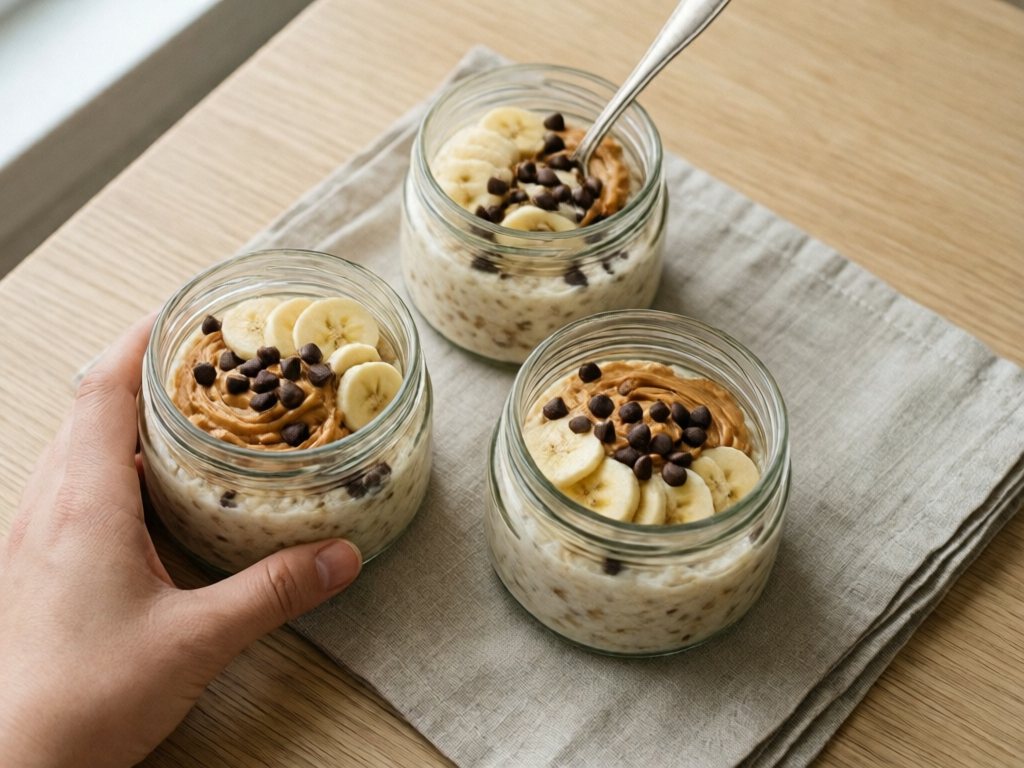
Why kids love it: It’s sweet-tasting and filling, and they pick their own mix-ins.
How to make it: The night before, put ½ cup rolled oats and ½ cup milk (dairy or plant-based) in a jar. Stir in 1 tablespoon maple syrup (leave it out for babies under 12 months) and your child’s favorite mix-ins. Refrigerate overnight and serve cold or warmed.
For babies (6-12 months): Use only oats, milk and mashed soft fruit like banana or strawberry. Leave out the maple syrup, chocolate chips, raisins, coconut and chia. Nut butter stays out too, unless your pediatrician has cleared it and the nut is already introduced.
Favorite combinations:
- Peanut butter + banana + a few mini chocolate chips (12 months and up). Stir the peanut butter in until smooth.
- Strawberry + vanilla + maple syrup. Leave out the syrup for babies.
- Grated apple + cinnamon + raisins (12 months and up). Chop or soak the raisins for under 4.
- Blueberry + lemon zest + finely shredded coconut (12 months and up). Halve or mash the blueberries for under 4.
Protein boost: Stir in 2 tablespoons nut butter (about 7-8g protein). For a baby, skip this unless your pediatrician has cleared it and the nut is already introduced. Then thin a small amount into the oats until smooth.
Or, for kids 12 months and up, add 1 tablespoon chia seeds (about 2g). They must soak in the liquid overnight until fully gelled, so never serve them dry.
Prep tip: With milk, overnight oats are best within 3-4 days. Make 2-3 jars on Sunday and a fresh batch midweek.
2. Yogurt Parfaits
Why kids love it: Layering is fun, and they can build their own.
Ages: The layered parfait with granola is for 12 months and up. For a baby, serve plain yogurt with mashed fruit and no granola, syrup or chocolate chips.
Set up a parfait station with:
- Greek yogurt or a dairy-free alternative. Soy-based ones have more protein than coconut or almond, so check the label.
- Granola (check for egg-free varieties).
- Fresh or frozen berries. Halve or mash blueberries and quarter grapes under 4.
- Maple syrup drizzle (honey only after 12 months).
- Optional: coconut flakes, mini chocolate chips, finely ground almonds. Nothing chunky under 4.
Protein content: 12-15g with dairy Greek yogurt. Dairy-free yogurts vary widely, so don’t count on the same number.
Time-saver: Pre-portion toppings into small containers on the weekend.
3. Nut Butter Toast Upgrades
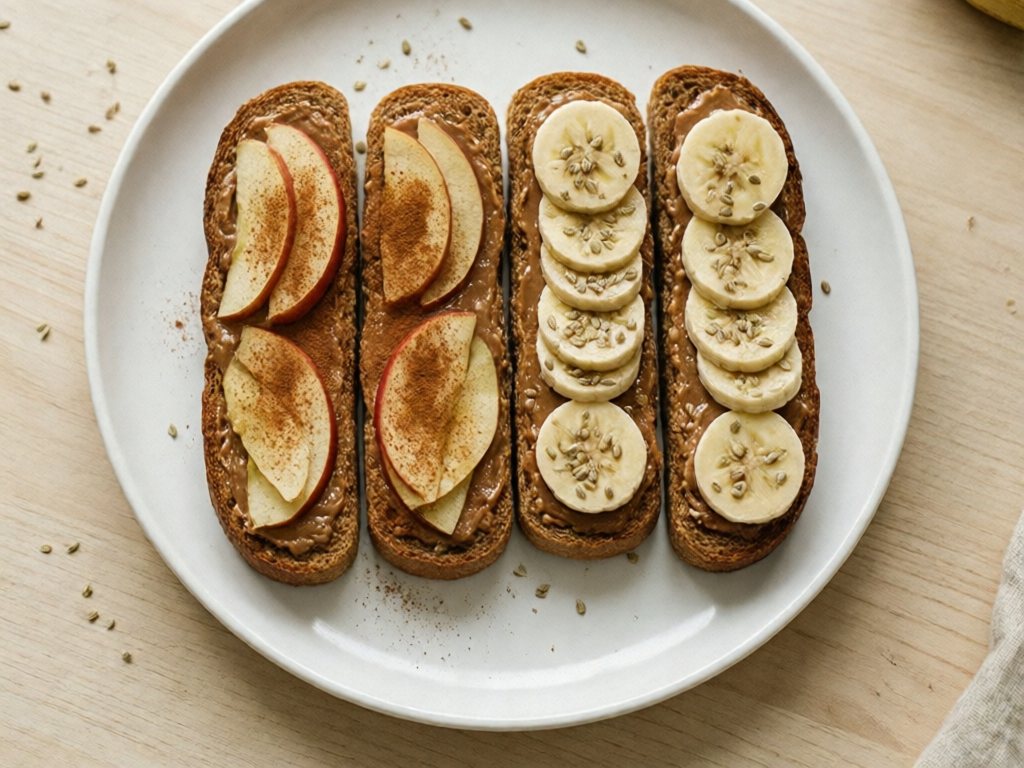
Plain peanut butter toast gets boring fast. These combinations keep it fun. Spread nut butter thinly, since thick globs are a choking risk for toddlers.
Nut Butter + Apple + Cinnamon: Spread almond butter on whole grain toast, top with thin apple slices and a sprinkle of cinnamon.
Sunflower Seed Butter + Banana + Hemp Hearts: A nut-free option (check labels for cross-contact) with roughly 8-12g protein depending on amounts.
TipSunflower seed butter swaps 1:1 for peanut or almond butter anywhere in this list, and it’s the one to use when a school or daycare is nut-free.
Cashew Butter + Strawberry + Maple Drizzle: Sweet enough to feel like a treat (cashew is a tree nut).
Tahini + Date Syrup + Sea Salt: A honey-free sweet option, but tahini is sesame, so skip it if sesame is a concern. Go light on the salt for little ones.
4. Smoothie Bowls
Base recipe: Blend 1 frozen banana, ½ cup frozen berries, ¼ cup milk, and 2 tablespoons nut butter until thick.
Ages: 12 months and up. The toppings make this one a toddler and big-kid breakfast.
The key to kid appeal: Let them choose and arrange their toppings. Blend chia in or soak it first; never sprinkle it dry on top. Options:
- Sliced banana
- Berries
- Granola
- Coconut flakes
- Mini chocolate chips
- Chia seeds, soaked 15-30 minutes until gelled or blended in (12 months and up).
Protein hack: Add ¼ cup silken tofu. Most kids won’t notice, and it adds roughly 2-3g protein (tofu is soy, so skip it for soy allergies).
5. Cheese and Fruit Plate
No cooking needed. Arrange:
- Cheese cut into thin strips or small slivers. Tear cheese sticks into thin strings under 4.
- Thin apple slices or grated apple, and grapes quartered lengthwise.
- Whole grain crackers.
- Nuts for kids 4 and up only. Skip them for younger kids.
Why it works: No cooking, minimal dishes, and surprisingly filling.
TipPacking breakfast for school or daycare? Perishable foods like yogurt and overnight oats need an ice pack so they stay at 40°F or below, and an insulated bag alone isn’t enough. Check the school’s nut policy before sending nut butter.
Hard cheese is lower risk, but it is still best kept cold. Toss packed dairy that sat more than 2 hours without staying cold, or more than 1 hour on a hot day (above 90°F).
Hot Egg-Free Breakfasts (10-15 Minutes)
When you have a few extra minutes, these warm options feel special without the stress.
Safety firstKids help with the cold jobs: measuring, stirring and picking toppings. An adult handles the skillet, broiler, waffle iron and microwave.
6. Fluffy Pancakes (No Eggs Needed)
The secret: A combination of baking powder, baking soda, and vinegar creates the lift eggs would normally provide.
Basic egg-free pancake recipe (makes about 8 small pancakes, enough for 2-3 kids):
- 1 cup all-purpose flour.
- 1 tablespoon sugar.
- 1 teaspoon baking powder.
- ½ teaspoon baking soda.
- Pinch of salt.
- 1 cup buttermilk (or milk + 1 tablespoon vinegar).
- 2 tablespoons melted butter or oil.
- 1 teaspoon vanilla.
- Mix the dry. Whisk flour, sugar, baking powder, baking soda and salt.
- Add the wet. Stir in buttermilk, butter and vanilla until just combined. Lumps are fine.
- Cook. Use medium heat, about 2-3 minutes per side, until bubbles form.
- Flip once. Cool a minute before serving.
For busy mornings, mix the dry ingredients ahead and add the wet ones right before you cook. The batter loses its lift fast, so cook it within 15-30 minutes.
If you have leftover batter, refrigerate it right away and use it within 24 hours. Expect flatter pancakes, and never leave batter sitting out at room temperature.
Make it fun: Add blueberries, chocolate chips, or sprinkles to the batter.
For babies: Leave out the sugar, salt, chocolate chips and sprinkles.
7. French Toast Without Eggs
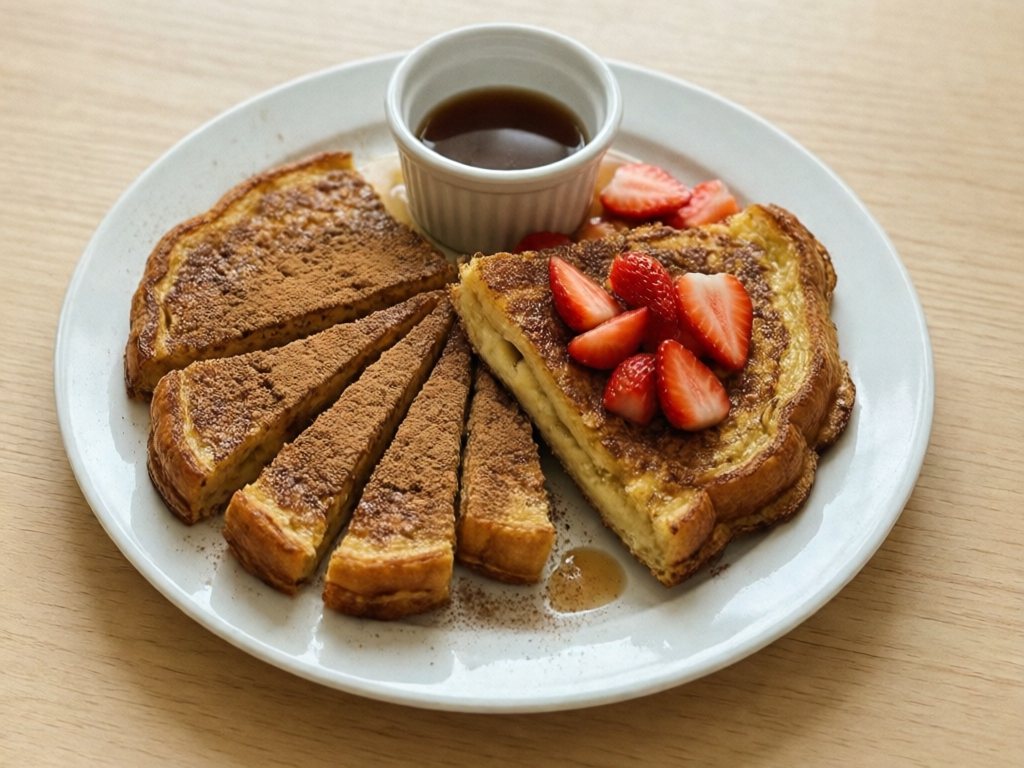
The swap: Mashed banana or a cornstarch slurry makes the custardy coating.
Banana version (covers about 4 slices):
- Mash. Mix 1 ripe banana with ½ cup milk, ½ teaspoon cinnamon and ½ teaspoon vanilla.
- Dip. Coat each slice of bread on both sides.
- Cook. Cook 2-3 minutes per side until golden and set through.
Cornstarch version: Whisk 2 tablespoons cornstarch with 1 cup milk, 1 tablespoon maple syrup, and 1 teaspoon vanilla. Covers about 6-8 slices; cook 2-3 minutes per side until golden and set through.
Both come out soft and tender, a little less crisp than egg versions. Check that the bread label is egg-free too.
If it goes wrongFlat pancakes usually mean old baking powder or an overmixed batter. Soggy French toast means the bread was too fresh or the dip too long. Use stale bread and dip for a few seconds per side.
8. Oatmeal Bar
Cook the oats, then let each child add their own toppings from small bowls.
Ages: Plain oats work from 6 months. The topping station is for 12 months and up. For a baby, stir in mashed banana or other soft fruit and skip the syrup, brown sugar, chocolate chips and dried fruit.
Good to knowAdded sugars are best kept to a minimum before age 2. For 12-23 months, the syrup, brown sugar and chocolate chips are optional. Skip them or keep them tiny, and let fruit and cinnamon do the sweetening.
Base: Cook steel-cut or rolled oats according to package directions, about ½ cup cooked per little eater. Let it cool and check the temperature before serving.
Topping station options:
- Fresh fruit (bananas, berries, peaches).
- Dried fruit (raisins, cranberries, apricots), chopped or soaked for under 4.
- Seeds and finely ground nuts. No whole or chunky nuts under 4.
- Nut butters, stirred in thinly.
- Maple syrup (honey only after 12 months).
- Cinnamon and a small pinch of brown sugar (optional).
- Mini chocolate chips.
9. Breakfast Quesadillas
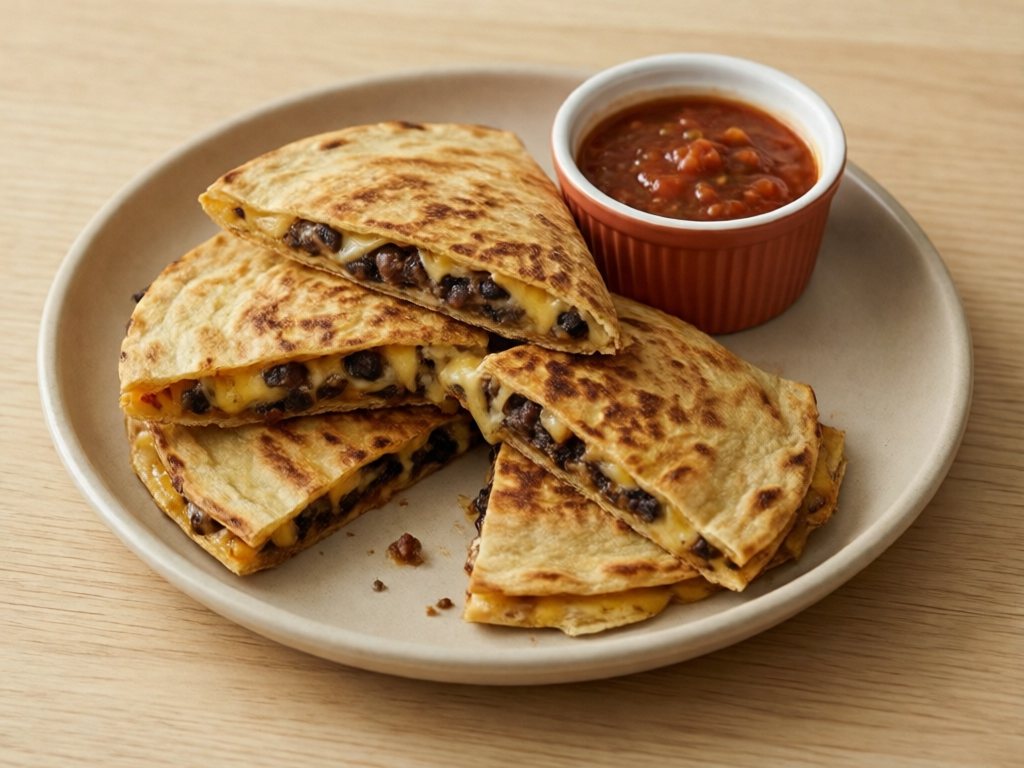
Filling ideas (all egg-free):
- Black beans + cheese + salsa.
- Refried beans + cheese + avocado.
- Thinly sliced or grated apple + cheddar + a drizzle of maple syrup.
- Thinly sliced banana + a very thin layer of peanut butter + a few mini chocolate chips (the sweet one).
Method: Fill a tortilla (check the label for egg) with about ¼ cup beans and ¼ cup shredded cheese. Fold it in half and cook in a dry skillet until golden and the cheese melts. Allow one tortilla per kid. Let it cool a minute, then cut into small triangles.
For under 4: Mash the black beans before you fill the tortilla. In the sweet version, spread the peanut butter very thinly and skip the chocolate chips, or use just a few mini chips.
Cut the cooled quesadilla into small strips or bite-size pieces, and trim off any hard, crisp edges.
Protein content: About 10-15g for one bean and cheese quesadilla made with those amounts.
10. Avocado Toast (Kid-Friendly Versions)
Kids do better with simple, mild versions. For young toddlers, toast the bread lightly so it stays soft, and cut it into finger-width strips.
“Green Monster” Toast: Mash avocado with a squeeze of lime and spread it on toast. Add edible eyes: small cream cheese dots topped with a halved or mashed blueberry. Use mashed for young toddlers.
Pizza Toast (toddlers and up): Mash avocado, spread it on toast, and top with shredded cheese. Add cooked chopped veggies, or a little finely chopped pepperoni as an occasional topping, since it is salty processed meat. An adult runs the broiler. Broil until the cheese melts, then cool before serving.
Avo-Berry Toast: Mash avocado with a squeeze of lime, spread on toast, top with sliced strawberries.
Make-Ahead Breakfast Options
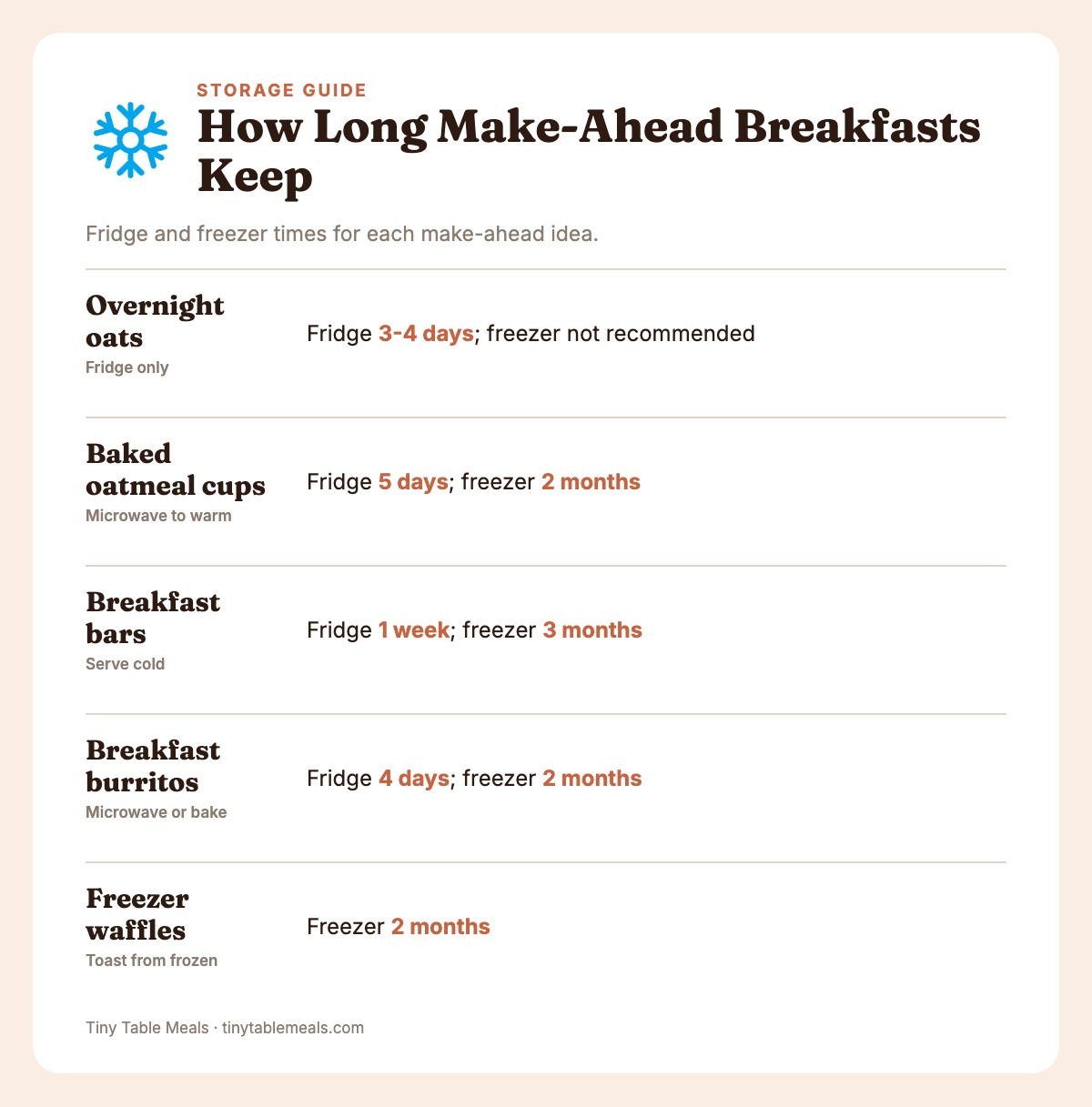
The best weekday breakfasts are made on the weekend. Here is how long each one keeps; for a full plan, see breakfast meal prep for the week.
| Item | Fridge | Freezer | Reheat |
|---|---|---|---|
| Overnight oats | 3-4 days | Not recommended | Serve cold or warm |
| Baked oatmeal cups | 5 days | 2 months | Microwave until warm |
| Breakfast bars | 1 week | 3 months | Serve cold |
| Breakfast burritos | 4 days | 2 months | Microwave 2-3 minutes from frozen, or bake |
| Freezer waffles | n/a | 2 months | Toast from frozen |
11. Baked Oatmeal Cups
Why I make them: Individual portions, customizable flavors, and nothing to do on a school morning.
Base recipe (makes 12):
- 2 cups rolled oats.
- ½ cup mashed banana (binds about as much as 2 eggs).
- 1¾ cups milk.
- ¼ cup maple syrup (leave it out for babies).
- 2 tablespoons melted butter or coconut oil.
- 1 teaspoon vanilla.
- 1 teaspoon baking powder.
- ½ teaspoon cinnamon.
- Pinch of salt.
- Mix. Stir everything together in one bowl.
- Fill. Divide into a greased muffin tin and add your mix-ins.
- Bake. Bake at 350°F for 25-30 minutes.
- Cool. Let them cool before storing.
Flavor variations:
- Blueberry muffin: add blueberries + lemon zest.
- Chocolate chip banana: add chocolate chips.
- Apple cinnamon: add diced apple + extra cinnamon.
- Carrot cake: add shredded carrot + chopped raisins. Walnuts only for kids 4 and up.
Storage: Refrigerate up to 5 days or freeze up to 2 months.
If the centers come out gummy, bake them 5 minutes longer.
12. Homemade Breakfast Bars
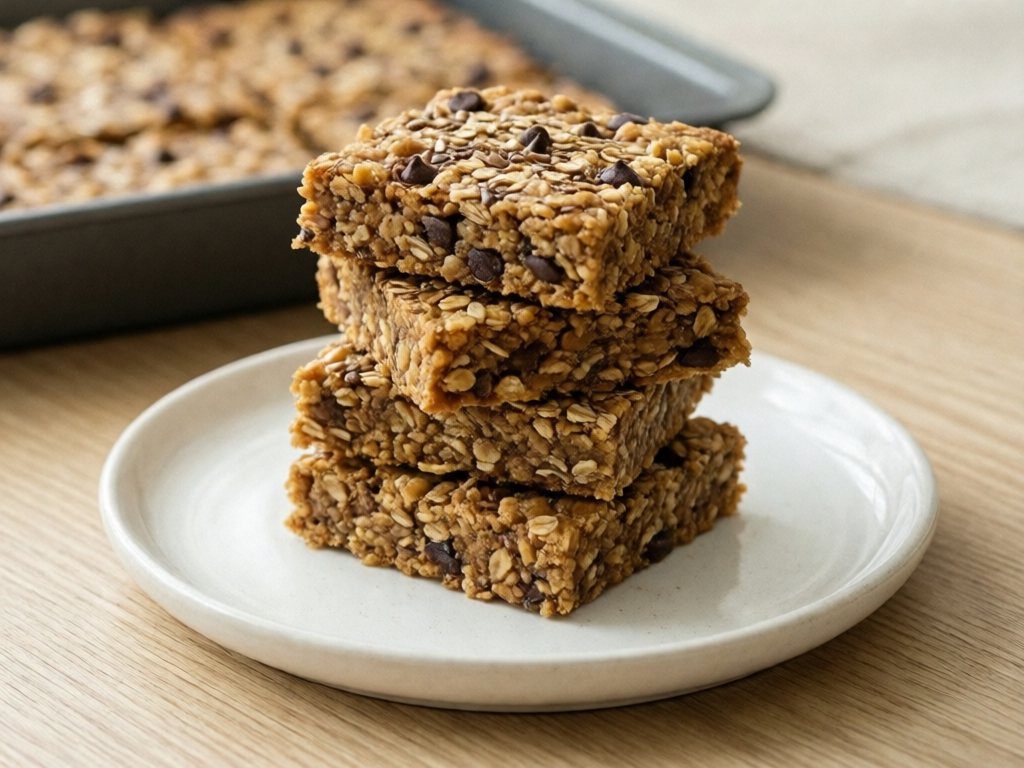
Skip the store-bought bars loaded with sugar and make your own.
Safety firstThese bars are for toddlers and older kids (12 months and up), and there is no baby version. Never use honey for a child under 12 months. They contain peanut butter, so ask your pediatrician or allergist before introducing it.
No-bake peanut butter oat bars:
- 2 cups rolled oats.
- 1 cup peanut butter.
- ½ cup maple syrup (honey works only for kids 12 months and up).
- ½ cup mini chocolate chips.
- 2 tablespoons ground flaxseed.
Adult step: microwave the peanut butter and maple syrup in 20-second bursts until smooth, and let it cool before kids handle it. Stir in oats, chocolate chips and flax. Press into an 8×8 pan.
Maple syrup makes softer bars than honey. Freeze 30 minutes or refrigerate at least 1 hour until firm, then cut and keep them cold.
Storage: Refrigerate up to 1 week, freeze up to 3 months. For a nut-free school version, use sunflower seed butter.
13. Freezer Waffles (Homemade)
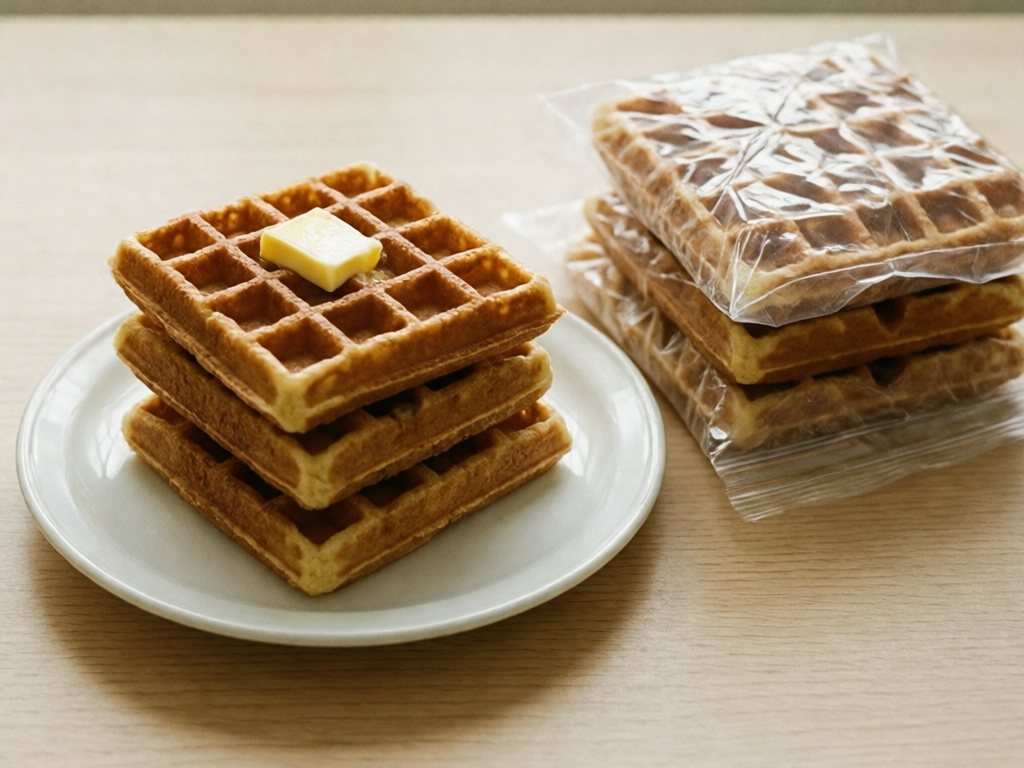
Many store-bought freezer waffles contain egg, so check the label, or make your own egg-free batch.
Recipe (makes about 6-8 waffles, depending on your iron):
- 2 cups flour.
- 2 tablespoons sugar.
- 1 tablespoon baking powder.
- ½ teaspoon salt.
- 1¾ cups milk.
- ⅓ cup vegetable oil.
- 1 teaspoon vanilla.
- Mix the dry. Combine flour, sugar, baking powder and salt.
- Add the wet. Stir in milk, oil and vanilla until just combined.
- Cook. Use a waffle iron following the manufacturer directions.
To freeze: Cool completely, place in single layer on baking sheet, freeze until solid, transfer to freezer bag.
To reheat: Toast directly from frozen until crispy.
14. Breakfast Burritos (Egg-Free)
Filling options:
- Black beans + cheese + salsa + avocado.
- Refried beans + cheese + diced tomato.
- Sweet potato + black beans + cheese.
- Chickpeas + turmeric + vegetables. It mimics scrambled eggs; mash the chickpeas fully for under 4.
For under 4: Mash the beans and chickpeas in every filling, and finely chop any chunky vegetables.
Assembly: Fill each tortilla (check the label for egg) with about ⅓ cup filling. Roll it burrito-style and wrap each one in foil.
Storage: Refrigerate up to 4 days or freeze up to 2 months.
Reheat: Remove foil, then microwave about 2-3 minutes from frozen, turning once, or bake at 350°F for 15-20 minutes. Heat until steaming hot throughout, let it cool, and test the filling before serving.
15. Chia Pudding Cups
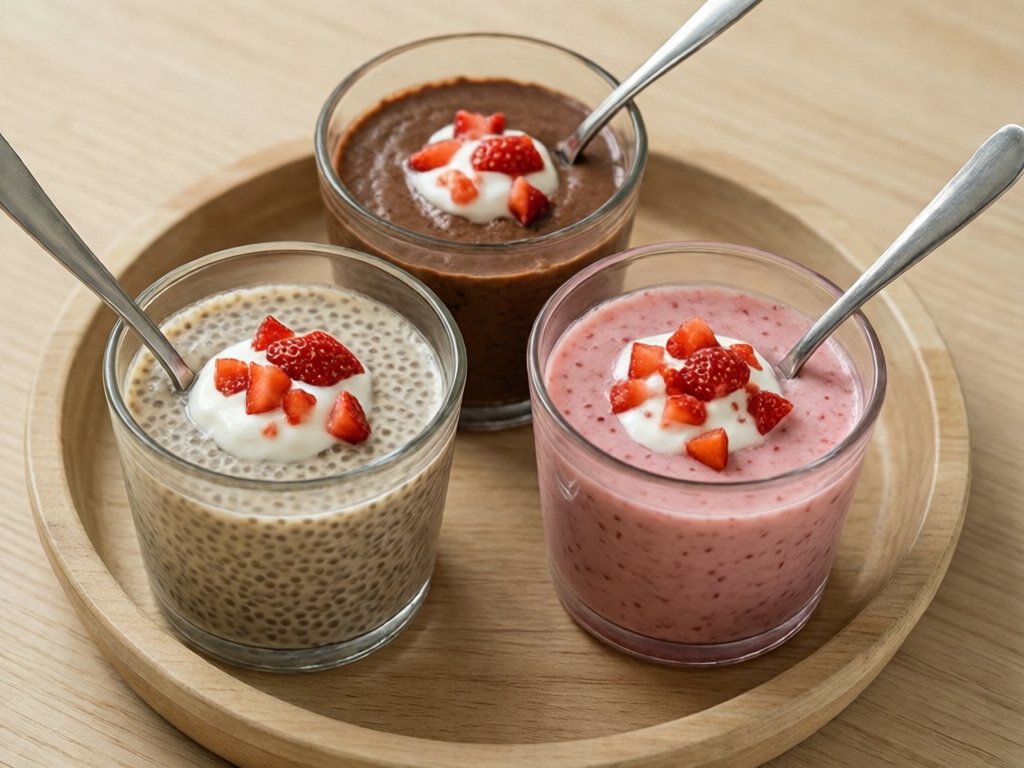
Basic recipe:
- ¼ cup chia seeds.
- 1 cup milk.
- 1 tablespoon maple syrup.
- ½ teaspoon vanilla.
Stir together, stir again after 10 minutes so it doesn’t clump, then refrigerate overnight. Serve only when fully gelled, and only to kids 12 months and up.
Flavor variations:
- Chocolate: Add 1 tablespoon cocoa powder.
- Strawberry: Blend milk with fresh strawberries first.
- Mango: Use coconut milk + mango puree.
- Pumpkin pie: Add pumpkin puree + pie spice.
Protein boost: Stir in a spoonful of nut or seed butter, or top with Greek yogurt if dairy is fine.
Protein-Packed Options for Active Kids
If your child has morning activities or just needs extra fuel, these are the highest-protein ideas on the list. The per-food numbers are in the protein table near the top.
16. Cottage Cheese Bowls
Why cottage cheese: About 12-14g protein per ½ cup, similar to two large eggs (about 12g). Look for low-sodium varieties. A toddler portion is about ¼ cup, which gives roughly 6-7g.
Kid-friendly presentations:
- “Sundae bowl”: Layer with granola, fruit, and a drizzle of maple syrup.
- “Pizza bowl”: Mix with Italian seasoning, then top with quartered cherry tomatoes and fresh basil.
- Blended into a smoothie for a creamy, mild texture.
Pro tip: Full-fat cottage cheese has a creamier texture, and it may keep kids full a little longer.
17. Greek Yogurt Pancakes
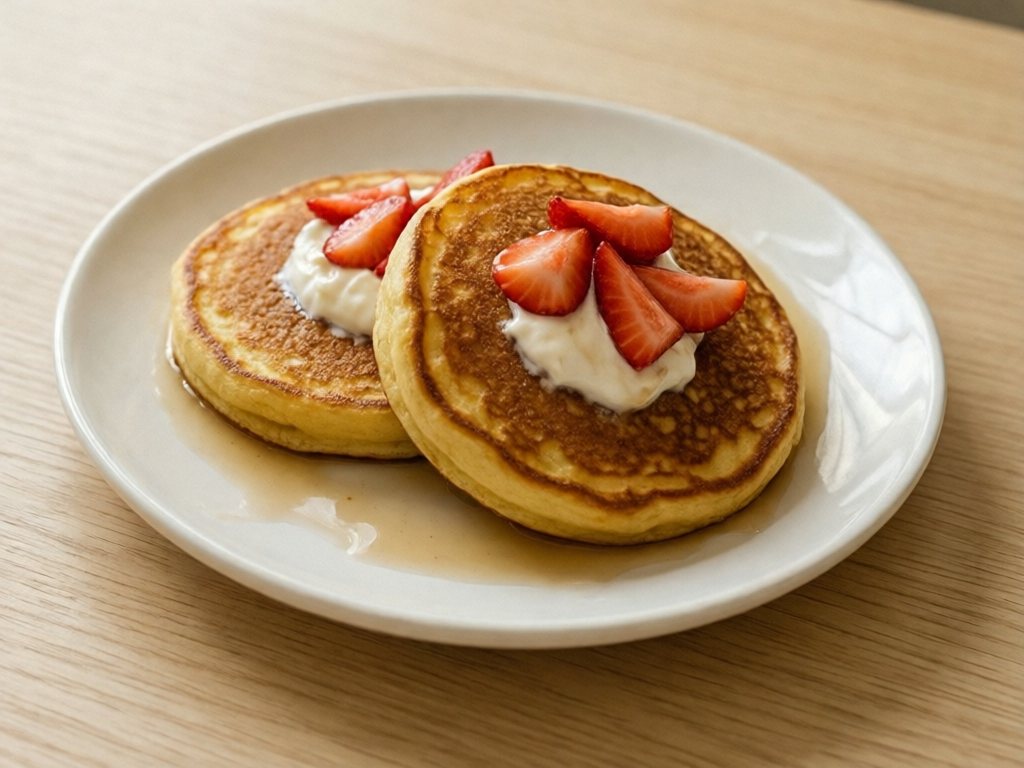
Recipe modification: In the pancake recipe above, swap the 1 cup buttermilk for ¾ cup Greek yogurt plus ¼ cup milk. You get a few extra grams of protein per serving of 2 small pancakes. It’s dairy, so skip it for milk allergy.
18. Protein-Boosted Oatmeal
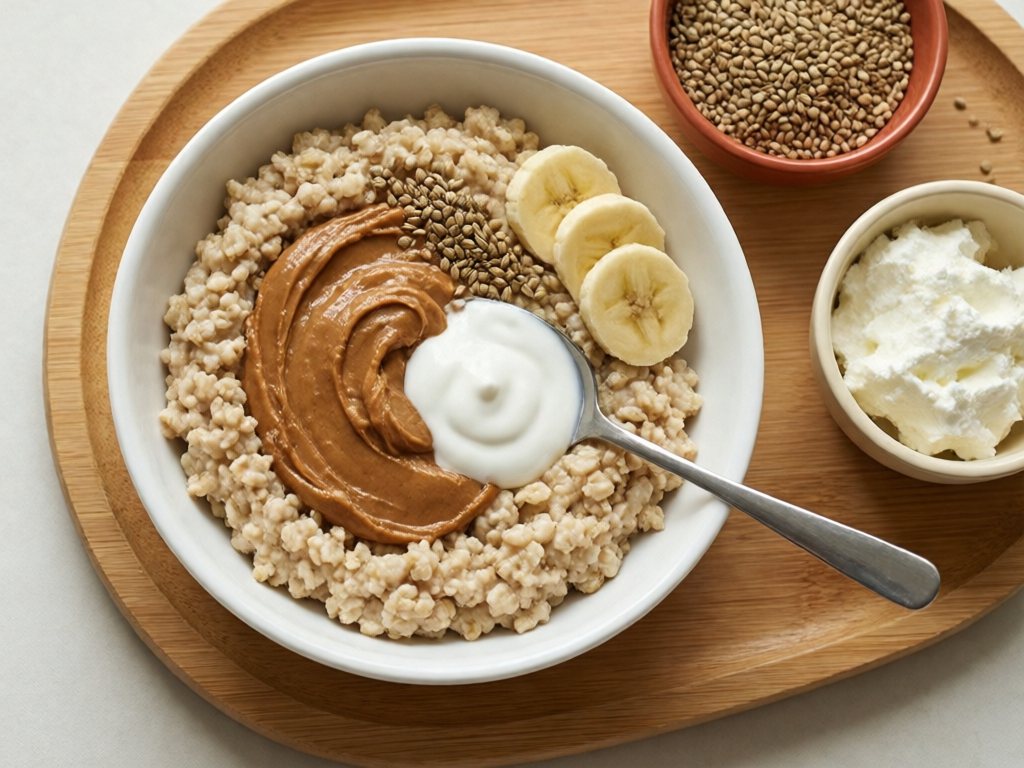
Add to cooked oatmeal:
- 2 tablespoons nut butter (about 7-8g protein).
- 2 tablespoons hemp hearts (6g protein).
- ¼ cup cottage cheese stirred in (about 6-7g protein).
- ¼ cup Greek yogurt swirled in after cooking (dairy).
19. Bean-Based Breakfast Hash
Ingredients:
- 1 can black beans, drained.
- 1 cup diced sweet potato (pre-cooked or frozen).
- ½ cup corn.
- Taco seasoning.
- Cheese and salsa for topping.
Cook the sweet potato in the skillet first until it is fork-tender all the way through. Frozen takes longer than pre-cooked. Add the beans, corn and seasoning and warm until steaming hot. Top with cheese, let it cool, and serve with tortillas.
Safety firstFor kids under 4, mash the black beans and mash or finely chop the corn before serving. Whole beans and whole kernels are a choking risk.
Protein content: About 7-10g per serving (more with extra cheese). The recipe serves 3-4 kids.
Leftovers: Refrigerate within 2 hours and use within 3-4 days. Reheat until steaming hot, then cool before serving.
20. Tofu Scramble
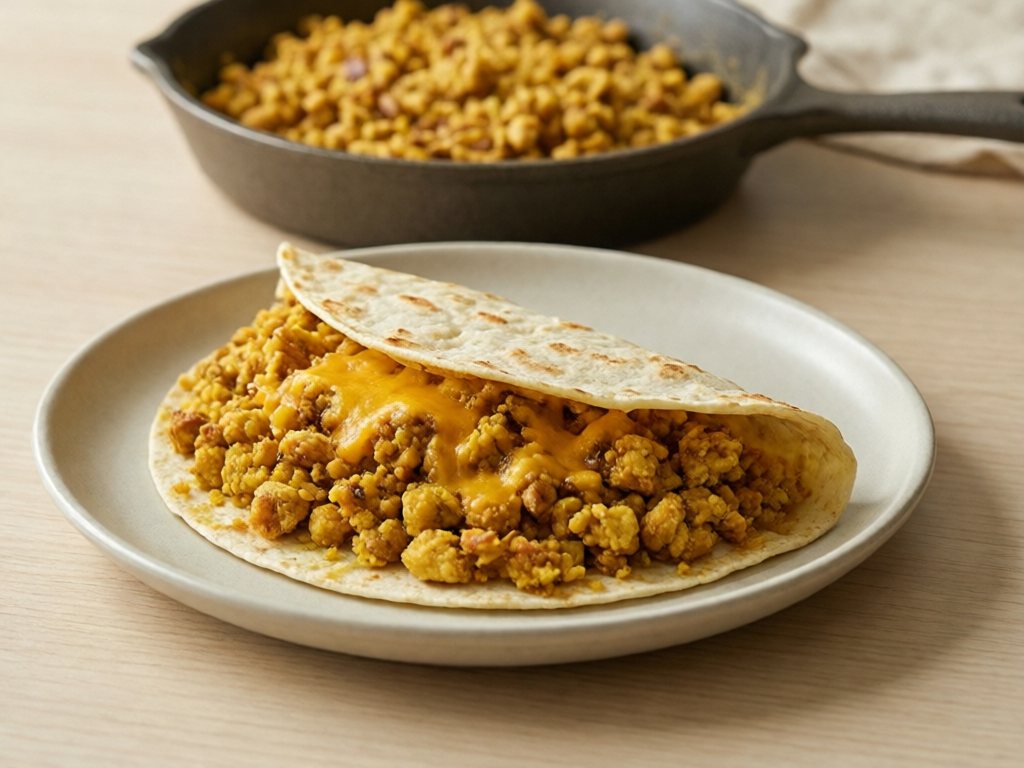
For families open to trying something new, tofu scramble looks a lot like scrambled eggs. Tofu is soy, so skip it for a soy allergy.
Basic recipe:
- 1 block (14 oz) firm tofu, drained and crumbled (serves 3-4 kids; soy).
- 1 tablespoon olive oil.
- ¼ teaspoon turmeric (for yellow color).
- Salt, pepper, garlic powder.
- Optional: cheese, vegetables, salsa.
Sauté tofu in oil with the seasonings for 5-7 minutes, until heated through and slightly crispy on the edges.
Leftovers: Refrigerate within 2 hours and use within 3-4 days. Reheat until steaming hot, then cool before serving.
Kid-friendly tip: Add cheese and serve in a breakfast taco—the familiar format helps.
Weekend and Special Occasion Egg-Free Breakfasts
These are for slow weekend mornings, or any day you want to make special.
21. Breakfast Banana Splits
Assembly:
- Split a banana lengthwise in a bowl.
- Add scoops of yogurt (instead of ice cream).
- Top with granola, berries and a small drizzle of chocolate sauce.
This is a weekend treat for toddlers and older kids (12 months and up). Keep the chocolate sauce to a small drizzle, and skip it under 2. The yogurt and fruit supply the protein and fiber.
For a baby, skip the granola and sauce and serve mashed banana with plain yogurt.
22. Rainbow Fruit Plate with Yogurt Dip
Arrange in rainbow order on a plate. Skip skewers under 4; for school-age kids, blunt-ended skewers are fine with an adult watching.
- Red: strawberries.
- Orange: mandarin segments.
- Yellow: pineapple.
- Green: honeydew or kiwi.
- Blue/purple: blueberries (halved or mashed under 4), grapes quartered lengthwise.
Dip: Mix vanilla yogurt with a touch of maple syrup.
23. Mini Bagel Bar
Set out:
- Mini bagels, or regular bagels cut small. Check the label, since some contain egg.
- Cream cheese (plain and flavored).
- Nut butters, spread thinly.
- Sliced fruit.
- Sliced cucumbers.
- Everything bagel seasoning. It contains sesame, so skip it if sesame is a concern.
Let kids build their own combinations.
24. Cinnamon Roll Oatmeal
How to make it: Cook oatmeal with extra cinnamon and swirl in cream cheese. Top with a small brown sugar glaze (brown sugar plus a little milk) and raisins, finely chopped or soaked for under 4. This one is for 12 months and up. Under 2, skip the glaze or keep it tiny. For a baby, serve plain cinnamon oats with no glaze or raisins. Let it cool and check the temperature before serving.
It has the flavor of a cinnamon roll with the staying power of oatmeal.
25. Breakfast Charcuterie Board
Include a variety of:
- Cheese in thin strips or small slivers.
- Low-sodium deli meat (turkey, ham) as an occasional extra, finely chopped for under 4.
- Fruit (berries, quartered grapes, thin apple slices).
- Crackers or toast triangles.
- Yogurt in a small bowl.
- Nuts for kids 4 and up only.
- Egg-free mini muffins. Check the label, since many muffins and pastries contain egg.
Why it works: Kids pick what goes on their own plate, so more of it gets eaten.
Weekly Egg-Free Breakfast Meal Prep Plan
Sunday prep (30-45 minutes):
- Make 2-3 jars of overnight oats. They are best within 3-4 days, so make a fresh batch midweek.
- Bake oatmeal cups or breakfast bars.
- Wash and cut fruit.
- Portion yogurt with toppings.
- Pre-mix the dry pancake ingredients in a jar. Add the wet ingredients the morning you cook.
Weekday execution:
| Day | Breakfast | Prep needed |
|---|---|---|
| Monday | Overnight oats | Jar from Sunday |
| Tuesday | Yogurt parfait | Pre-portioned toppings |
| Wednesday | Toast with nut butter + fruit | Cut fruit |
| Thursday | Warmed oatmeal cup | Baked Sunday |
| Friday | Pancakes | Pre-mixed dry ingredients plus wet |
Rotation System to Prevent Boredom
Keep a list of successful breakfasts and rotate through them:
| Week | Theme | Ideas |
|---|---|---|
| Week 1 | Oatmeal-based | Overnight oats, baked oatmeal, oatmeal bar |
| Week 2 | Toast-based | Nut butter variations, avocado toast |
| Week 3 | Yogurt-based | Parfaits, smoothie bowls |
| Week 4 | Hot options | Pancakes, quesadillas, waffles |
What to Do When Kids Won’t Eat Egg-Free Breakfasts
“My child is hungry by 10 AM”
- Add one protein from the table near the top: 2 tablespoons nut or seed butter in the oats, or ¼ cup cottage cheese stirred in.
- Swap a Low pick for a higher-protein one. Trade plain pancakes (#6) for a bean and cheese quesadilla (#9).
- Keep sweet toppings small. Use a drizzle of maple syrup, not a pour.
“We’re bored of the same foods”
- Keep the base and change one topping. Monday’s overnight oats get peanut butter and banana, and Thursday’s get apple and cinnamon.
- Use the four-week rotation above, so oatmeal week ends before anyone is sick of it.
- Set two picks on the counter the night before and let your child choose one.
“My child won’t try new things”
- Put one new thing next to a favorite, like a spoonful of tofu scramble beside the usual quesadilla (see introducing new foods with no pressure).
- Make it look like a food they already eat. I serve baked oatmeal cups warm in a paper muffin liner, because at my table anything muffin-shaped gets a first bite.
- Give them one cold-prep job, like layering the parfait or pressing the bars into the pan. An adult handles the skillet, broiler, waffle iron and microwave. Then offer the food again another day without comment.
Mama Munch
Mama Munch is a food-obsessed parent of two who believes every family deserves simple, nutritious meals — even on the busiest weeknights. With a background in nutrition education and years of navigating picky eaters, allergies, and toddler taste buds, she creates practical recipes and meal strategies that actually work for real families.
Frequently Asked Questions
How do I ensure my child gets enough protein without eggs?
Focus on Greek yogurt (12-15g per serving), nut butters (7-8g per 2 tablespoons), cottage cheese (12-14g per ½ cup), beans (7g per ½ cup), and cheese (7g per ounce). Combining 2-3 protein sources helps most kids meet their needs. If your child has several allergies or eats vegan, talk to a pediatrician or registered dietitian.
What’s the best egg substitute for baking breakfast items?
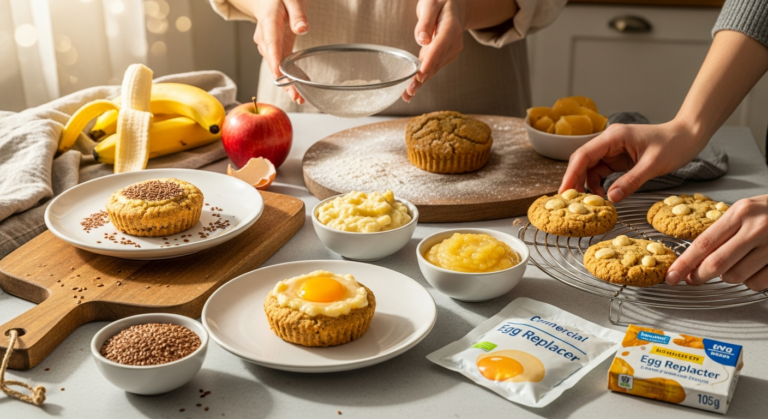
For binding, use mashed banana (¼ cup per egg in most recipes; the oatmeal cups use ½ cup, about 2 eggs’ worth). Ground flaxseed works too (1 tablespoon flax + 3 tablespoons water = 1 egg), as do commercial egg replacers. Replacers bind but don’t leaven, so for lift add baking powder plus a splash of vinegar. More in egg-free baking substitutes.
Are egg-free breakfasts suitable for toddlers?
Yes. Overnight oats, yogurt, soft pancakes, and banana toast all work well. For under 4, quarter grapes lengthwise, cut cheese into thin strips, chop or soak dried fruit, skip whole and chunky nuts, and spread nut butter thinly. Stay with your child while they eat. More ideas in toddler breakfast ideas.
How can I make breakfast more appealing to picky eaters?
Involve them in preparation, offer choices, use fun presentations (cookie cutters, colorful bowls, build-your-own stations), and pair new foods with familiar favorites.
What if my child has multiple allergies (eggs, dairy, nuts)?
Oat-based options work well with oat milk. Sunflower seed butter replaces nut butters. Coconut yogurt replaces dairy (coconut is its own allergen for some kids). Focus on whole foods like fruit, oats, and seeds, and check labels for cross-contact. Talk to a pediatrician or registered dietitian to make sure the plan covers your child’s needs.
Can I prep egg-free breakfasts for the whole week?
Yes. Overnight oats keep 3-4 days (make a second batch midweek), baked oatmeal cups keep 5 days in the fridge or 2 months in the freezer, and breakfast bars keep 3 months frozen. See breakfast meal prep for the week for more.
Are egg-free breakfasts more expensive?
Not necessarily. Specialty products can add up, but whole foods like oats, bananas, and nut or seed butters are budget-friendly. Egg prices have swung a lot, so oats and bananas are a steady choice.
How do I handle breakfast at school or daycare?
Pack overnight oats, yogurt, or cheese with an ice pack so they stay at 40°F or below; an insulated container alone isn’t enough. Toss anything perishable that sat warm for more than 2 hours (1 hour on a hot day). Baked oatmeal cups and bars travel well. Check the school’s nut-free policy and use the sunflower seed version where needed, and tell caregivers about your child’s egg-free needs.
Egg-Free Breakfast Ideas: Where to Start
Going egg-free doesn’t mean losing convenience, nutrition, or foods your kids will actually eat. Pick one grab-and-go idea and one make-ahead idea for this week, then add a new one each Sunday.
Want more? Try protein breakfasts for kids, 10-minute school-morning breakfasts, or the picky eater meal plan. The Egg-Free Breakfast Kit printable goes with this list for planning your week.
—