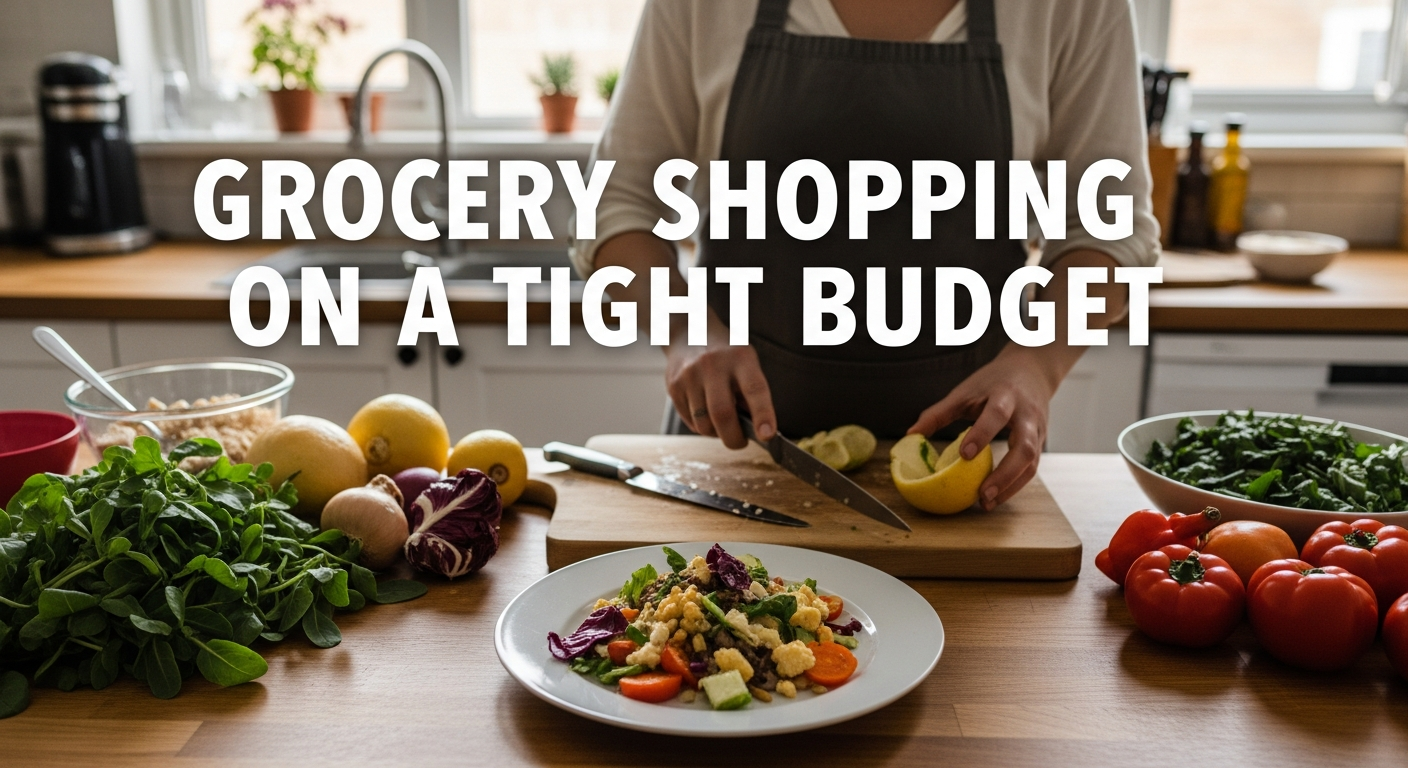
Grocery Shopping on a Tight Budget
Discover strategic meal planning, smart shopping techniques, and essential pantry staples to feed your family well on a tight budget without sacrificing flavor or nutrition.
- Plan meals weekly based on sales and your pantry to cut spending.
- Shop the store perimeter first for cheaper, whole food options.
- Time your grocery trips for markdowns, like Sunday evenings or Wednesday mornings.
- Utilize manager's specials and clearance sections for big savings.
- Stock versatile pantry staples like rice, beans, and pasta for budget meals.
This post contains affiliate links. As an Amazon Associate I earn from qualifying purchases.
Last Tuesday, I stood in the cereal aisle watching a mom count out crumpled dollar bills while her toddler tugged at her sleeve, asking for the colorful box with the cartoon character. She put back the name-brand cereal and picked up the store brand instead, and I saw something flicker across her face – that familiar mix of determination and worry that so many of us know intimately. That moment reminded me why I’m so passionate about sharing what I’ve learned through years of stretching every grocery dollar.
The truth is, feeding a family well on a tight budget isn’t just about clipping coupons or buying generic brands (though both help!). It’s about developing a strategic mindset that transforms how you think about food, shopping, and meal planning. Over the past five years of documenting our family’s meals here on Tiny Table Meals, I’ve discovered that some of our most beloved dishes were born from necessity – when the grocery budget was stretched thin and creativity had to fill the gaps.
What I’ve learned might surprise you: budget cooking doesn’t mean sacrificing flavor or nutrition. In fact, some of the world’s most celebrated cuisines emerged from humble, inexpensive ingredients transformed through clever techniques and bold seasonings. Today, I’m sharing the strategies that have helped our family eat well for less, along with specific recipes and techniques that will stretch your grocery dollars without compromising on taste.
In this article (5 sections)
Master the Art of Strategic Shopping
The foundation of budget grocery shopping begins before you ever set foot in the store. I spend about 15 minutes every Sunday planning our meals around what’s already in our pantry and what’s on sale that week. This simple practice has cut our grocery spending by nearly 30% while reducing food waste dramatically.
Start by checking store flyers online or in your mailbox – most grocery chains release their weekly ads on Wednesdays. Look for proteins on sale and build your meal plan around those deals. When chicken thighs drop to $0.99 per pound, I buy enough for multiple meals. Some go into my slow cooker for pulled chicken that becomes tacos, sandwiches, and soup throughout the week. Others get marinated in a simple mixture of olive oil, garlic, and whatever herbs I have growing on my windowsill.
The perimeter strategy works wonders for budget shopping. Shop the outer edges of the store first – produce, dairy, meat, and bakery sections – where whole foods typically cost less per serving than processed alternatives. I always hit the marked-down produce section first. Those slightly soft tomatoes are perfect for homemade pasta sauce, and overripe bananas become the most incredible banana bread that costs about $1.50 to make compared to $4.99 for a store-bought loaf.
Timing Your Shopping Trips
Shopping timing can dramatically impact your budget. I’ve found that Sunday evenings and Wednesday mornings offer the best markdowns on meat and produce. Many stores rotate their sales on Wednesdays, so you might catch both the tail end of last week’s deals and the beginning of new ones. Early morning shopping also means first pick of marked-down items before other budget-conscious shoppers snag the best deals.
Don’t overlook manager’s specials and clearance sections. I’ve scored packages of fresh herbs for $0.50 that I immediately chop and freeze in olive oil using ice cube trays. These herb cubes add restaurant-quality flavor to soups, stews, and pasta dishes all winter long for pennies per use.
Pantry Staples That Maximize Every Dollar
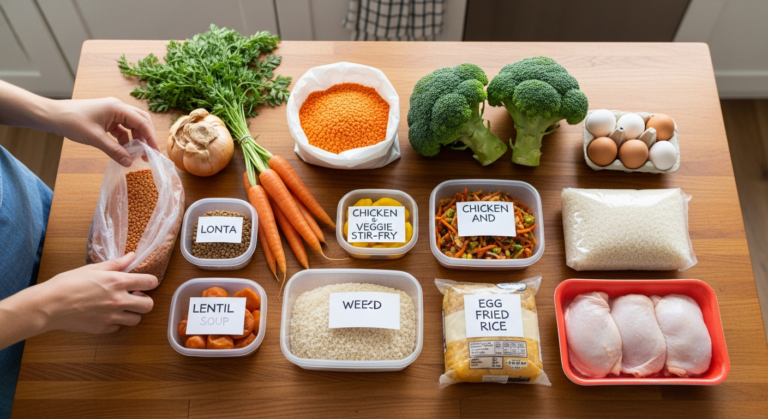
Building a strategic pantry is like having a savings account for meals. I focus on versatile ingredients that appear in multiple recipes and have long shelf lives. Rice, dried beans, lentils, oats, flour, and pasta form the backbone of countless budget-friendly meals. A 20-pound bag of rice costs about $8 and provides the foundation for dozens of meals – from simple fried rice using leftover vegetables to creamy rice pudding for dessert.
Dried beans deserve special recognition as budget heroes. A one-pound bag of black beans costs around $1.50 and yields about 6 cups of cooked beans – equivalent to four cans that would cost $4.00 or more. I cook large batches in my slow cooker with bay leaves, onion, and garlic, then freeze portions in family-sized containers. These become the base for hearty soups, protein-packed salads, and satisfying burritos throughout the month.
Spices and seasonings transform inexpensive ingredients into exciting meals. Instead of buying expensive spice blends, I create my own. My go-to taco seasoning combines cumin, chili powder, paprika, oregano, and garlic powder – ingredients I always keep stocked. This homemade blend costs about $0.25 per batch compared to $1.29 for store-bought packets, and it tastes infinitely better because I control the salt content and freshness.
Smart Protein Strategies
Protein often represents the largest portion of grocery budgets, but strategic choices make expensive cuts unnecessary. Chicken thighs cost significantly less than breasts but offer more flavor and stay tender even when slightly overcooked – perfect for busy weeknight cooking. I buy whole chickens when they’re on sale for $0.89 per pound, break them down myself, and freeze portions. The bones become rich stock that forms the base for countless soups and risottos.
Eggs provide incredible versatility and nutrition for about $0.20 each. Beyond breakfast, they star in fried rice, create satisfying dinner frittatas loaded with whatever vegetables need using up, and stretch ground meat in dishes like meatloaf or burgers. My kids’ favorite “breakfast for dinner” features scrambled eggs with cheese, served alongside homemade biscuits that cost less than $0.50 per batch to make.
Meal Planning That Stretches Ingredients
The most successful budget meal planning revolves around ingredient crossover – using the same base ingredients in multiple dishes throughout the week. When I buy a whole chicken, it becomes three distinct meals: roasted chicken with vegetables on Sunday, chicken salad sandwiches on Tuesday using leftover meat, and hearty chicken soup on Thursday using the bones and remaining scraps.
One-pot meals maximize both flavor and budget efficiency. My family’s favorite budget dinner is a hearty lentil and vegetable stew that costs less than $4 to feed six people. I sauté diced onions, carrots, and celery in olive oil, add dried lentils, canned tomatoes, vegetable broth, and whatever herbs I have available. After simmering for 25 minutes, it’s transformed into a protein-rich meal that tastes like it took hours to prepare. Served over rice or with crusty bread, it’s completely satisfying and improves with each reheating.
Batch cooking becomes essential for busy families on tight budgets. Sunday afternoons, I prepare large quantities of versatile components: a big pot of rice, a tray of roasted vegetables, and a protein like seasoned ground turkey or shredded chicken. These components mix and match throughout the week into different meals. Monday might feature rice bowls with roasted vegetables and turkey, while Wednesday transforms the same ingredients into fried rice with scrambled eggs.
Transforming Leftovers Into New Meals
Leftover transformation requires creativity but yields incredible results. Roasted vegetables become pasta sauce when blended with a little broth and cream. Leftover rice transforms into crispy fried rice or creamy rice pudding. Even small amounts of leftover meat stretch into satisfying meals when combined with beans, pasta, or grain-based dishes.
Soup represents the ultimate leftover transformer. I keep a container in my freezer for vegetable scraps – onion ends, carrot tops, celery leaves, herb stems – that become flavorful stock. Combined with leftover proteins, grains, and any vegetables needing to be used up, these scraps create soul-warming soups that cost less than $1 per serving.
Smart Shopping for Fresh Produce
Produce shopping requires the most strategy to maximize both budget and nutrition. I focus on seasonal vegetables at peak availability when prices drop naturally. Summer brings abundant zucchini, tomatoes, and corn at rock-bottom prices. I buy extras and preserve them through simple methods like freezing grated zucchini for winter baking or making large batches of tomato sauce that cost a fraction of store-bought versions.
Frozen vegetables often provide better nutrition and value than fresh, especially for out-of-season produce. A bag of frozen broccoli costs less than fresh heads and contains vegetables frozen at peak ripeness. I always keep frozen spinach, peas, and mixed vegetables stocked for quick additions to pasta dishes, soups, and casseroles. These frozen vegetables add nutrition and bulk to meals without significantly impacting the budget.
Root vegetables like potatoes, carrots, onions, and sweet potatoes offer incredible versatility and long storage life. A 10-pound bag of potatoes costs less than $3 and provides the foundation for dozens of meals. Baked sweet potatoes become complete meals when topped with black beans and cheese. Regular potatoes transform into crispy breakfast hash, creamy gratins, or hearty soups that satisfy the whole family.
Seasonal Cooking Strategies
Embracing seasonal eating naturally reduces costs while maximizing flavor. Spring asparagus and early summer berries might seem expensive, but buying them at peak season and preserving extras creates year-round enjoyment at fraction of off-season prices. I blanch and freeze asparagus spears for winter soups and freeze berries for smoothies and baking throughout the year.
Fall brings apple season, when a bushel costs less than individual apples in spring. I make large batches of applesauce, apple butter, and apple crisp filling that provide healthy snacks and desserts for months. The key is buying in quantity when prices are lowest and preserving the abundance for later enjoyment.
Budget-Friendly Recipes That Deliver on Flavor
Some of our family’s most requested meals happen to be the most budget-friendly. My “Everything Pasta” uses whatever vegetables need using up, combined with pasta, garlic, olive oil, and parmesan cheese. The total cost rarely exceeds $3 for a meal that feeds our family of four, yet it tastes restaurant-worthy when finished with fresh herbs and a squeeze of lemon.
Bean and grain combinations create complete proteins while keeping costs minimal. My hearty red beans and rice starts with dried kidney beans cooked with bay leaves, onion, and garlic. After two hours of slow simmering, I add diced tomatoes, bell peppers, and Cajun seasonings. Served over rice with a dollop of sour cream and chopped green onions, this meal costs less than $5 total and provides satisfying leftovers for days.
Breakfast for dinner offers both budget relief and family fun. Pancakes made from scratch cost about $1 for a batch that feeds six people, compared to $4 for a restaurant stack. I make large batches on weekends and freeze extras between sheets of parchment paper. Weekday mornings, they toast directly from frozen, providing quick breakfast that rivals expensive frozen alternatives in convenience but surpasses them in taste and nutrition.
One-Pot Wonders
One-pot meals minimize both cleanup and costs while maximizing flavor development. My chicken and rice skillet combines chicken thighs, rice, vegetables, and broth in a single pan. After browning the chicken and sautéing vegetables, everything simmers together for 20 minutes, creating a complete meal with minimal effort and maximum flavor. The total cost runs about $6 for a meal that easily feeds six people with satisfying leftovers.
Slow cooker meals excel at transforming inexpensive cuts into tender, flavorful dishes. Pork shoulder, often on sale for $1.99 per pound, becomes incredibly tender pulled pork after 8 hours on low heat with just onions, garlic, and basic seasonings. This versatile protein serves over rice, in sandwiches, or as taco filling throughout the week, providing multiple meals from one cooking session.
The journey of feeding a family well on a tight budget isn’t always easy, but it’s incredibly rewarding. Every dollar saved is a dollar that can go toward other family needs, and every creative meal teaches valuable lessons about resourcefulness and gratitude. Most importantly, some of our most treasured family memories have formed around simple, budget-friendly meals that brought us together around the table, proving that love and creativity matter more than expensive ingredients ever could.
Mama Munch
Mama Munch is a food-obsessed parent of two who believes every family deserves simple, nutritious meals — even on the busiest weeknights. With a background in nutrition education and years of navigating picky eaters, allergies, and toddler taste buds, she creates practical recipes and meal strategies that actually work for real families.