Batch Cooking Proteins: Cook Once, Eat All Week
You can eliminate weeknight dinner stress by batch cooking proteins once a week. Learn how to prepare versatile chicken and ground meat bases that transform into diverse meals, saving you time and mental energy.
- Batch cook chicken thighs three ways (Mediterranean, Mexican, Asian) on one sheet pan.
- Transform cooked chicken into 5+ distinct meals by adding fresh elements and different grains.
- Partially cook ground meat with aromatics for a versatile base for quick weeknight dishes.
- Store each protein variety separately to prevent flavor mixing and simplify meal assembly.
This post contains affiliate links. As an Amazon Associate I earn from qualifying purchases.
Sunday afternoon finds me standing in my kitchen, staring at three pounds of chicken thighs and wondering how I’m going to transform them into five different meals this week. The familiar pre-Monday panic sets in—you know the one, where you realize your family needs to eat actual food every single day, and somehow you’re supposed to make that happen while juggling work, soccer practice, and that science project your third-grader just remembered is due tomorrow.
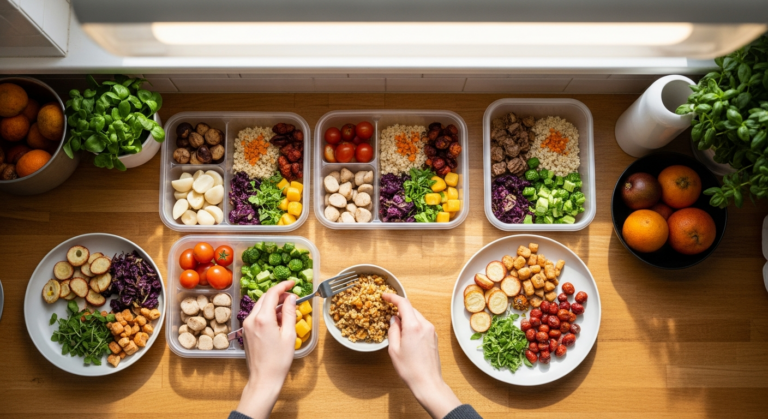
But here’s what I’ve learned after years of weeknight dinner scrambles: the secret isn’t having more time—it’s using the time you have more strategically. Enter batch cooking proteins, my saving grace and sanity keeper. Instead of cooking meat from scratch every single night (who has time for that?), I spend one focused session prepping multiple proteins that transform into completely different meals throughout the week.
The beauty of this approach isn’t just the time it saves—though shaving 20 minutes off each weeknight dinner prep is nothing to sneeze at. It’s the mental relief of opening your fridge and seeing dinner practically ready to go. No more 5 PM panic about defrosting chicken or wondering if that ground beef in the back is still good. Just grab, reheat, and add your fresh elements for a meal that tastes like you spent hours on it.
In this article (5 sections)
The Game-Changing Chicken Method
Let’s start with chicken because it’s the ultimate weeknight workhorse. I buy a family pack of boneless, skinless chicken thighs (they’re more forgiving than breasts and stay juicier when reheated), season them three different ways, and roast them all at once on a large sheet pan.
For my go-to trio, I divide 3 pounds of chicken thighs into three groups. The first third gets a Mediterranean treatment: olive oil, minced garlic, dried oregano, lemon zest, salt, and pepper. The middle section becomes Mexican-inspired with chili powder, cumin, paprika, garlic powder, and a pinch of chipotle for smoke. The final third gets an Asian-style marinade of soy sauce, sesame oil, fresh ginger, and a touch of brown sugar.
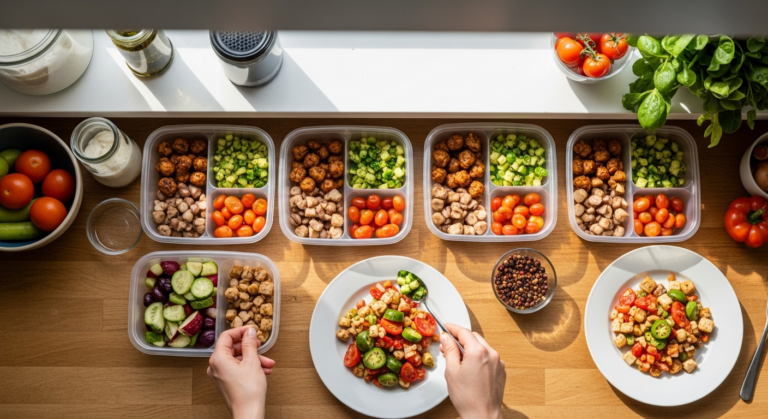
Roast everything at 425°F for about 25-30 minutes until the internal temperature hits 165°F. The different seasonings create natural flavor barriers, so you’re not getting weird taste mixing. Once cooled, I slice the chicken and store each variety in separate containers.
Five Meals from One Batch
Here’s where the magic happens. Monday night, those Mediterranean thighs go into pita pockets with cucumber, tomatoes, red onion, and tzatziki. Tuesday, the Mexican chicken gets tossed with black beans and rice for burrito bowls, topped with avocado and salsa. Wednesday brings Asian chicken fried rice using day-old rice and frozen vegetables. Thursday, I shred the remaining Mediterranean chicken into pasta with sun-dried tomatoes and spinach. Friday, leftover Asian chicken becomes a quick stir-fry with whatever vegetables are hanging out in the crisper drawer.
The key is thinking beyond the original preparation. That seasoned, cooked chicken becomes your flavor foundation, but fresh vegetables, different grains, and varied cooking techniques make each meal feel completely distinct.
Ground Meat Mastery
Ground meat might be even more versatile than chicken for batch cooking because it takes on flavors so readily and cooks quickly when you’re ready to use it. My strategy involves partially cooking large batches of ground beef, turkey, or pork with basic aromatics, then finishing them with specific seasonings throughout the week.
Start with 2-3 pounds of ground meat (I often mix beef and turkey for flavor and budget balance). In a large Dutch oven, sauté diced onions and garlic until fragrant, then add the meat and cook until it’s about 80% done—still slightly pink but mostly browned. This is your blank canvas.
Divide this partially cooked meat into three or four portions. One portion might get finished with Italian herbs, tomatoes, and a splash of red wine for pasta sauce. Another becomes taco filling with cumin, chili powder, and diced jalapeños. A third portion could transform into Asian lettuce wraps with soy sauce, ginger, and sesame oil. The fourth might become a hearty soup base with broth and vegetables.
Storage and Safety Tips
Partially cooked ground meat needs to be handled carefully. Cool it quickly in shallow containers and use within 2-3 days, or freeze immediately in meal-sized portions. I use freezer bags labeled with the contents and the seasonings still needed—”Ground beef base – needs Italian herbs for pasta” saves confusion later.
When you’re ready to use it, simply reheat the meat thoroughly while adding your finishing seasonings and any additional ingredients. The beauty is that this final cooking step only takes 5-10 minutes instead of the full 20-30 minutes you’d need starting from raw.
Slow Cooker Protein Prep
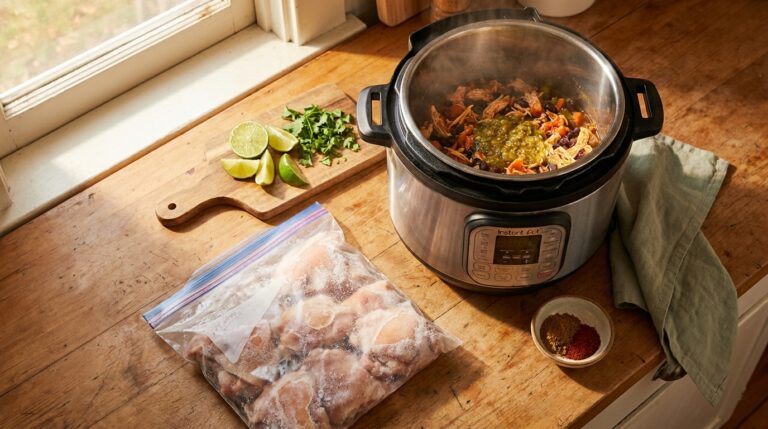
Your slow cooker becomes a batch cooking superhero when you use it strategically. Instead of making one complete meal, use it to prepare versatile proteins that can be repurposed all week. My favorite approach is cooking large cuts of meat that shred beautifully—pork shoulder, beef chuck roast, or whole chickens.
For a incredible pork shoulder base, season a 3-4 pound roast with salt, pepper, garlic powder, and paprika. Sear it in a hot skillet to develop flavor, then transfer to your slow cooker with just a cup of chicken broth and maybe some onion slices. Cook on low for 8 hours until it shreds easily with a fork.
This neutral-flavored shredded pork becomes the foundation for completely different meals. Toss some with barbecue sauce for sandwiches Monday night. Tuesday, mix a portion with salsa verde and lime juice for carnitas tacos. Wednesday, add it to ramen bowls with soft-boiled eggs and vegetables. Thursday brings pork fried rice or pork and white bean chili, depending on your family’s mood.
The Two-Protein Slow Cooker Trick
Here’s an advanced move: cook two different proteins simultaneously using slow cooker liners. Place a liner on each side of your cooker and prepare different meats with complementary cooking times. Chicken thighs on one side, a small pork roast on the other. They’ll both be done around the same time, giving you two weeks’ worth of protein variety from one cooking session.
Fish and Seafood Strategies
Fish requires a different approach since it doesn’t hold as well over time, but you can still batch prep effectively. My method involves partial preparation rather than complete cooking. I buy several different types of fish when they’re on sale, portion them into meal-sized pieces, and create different marinades or seasoning blends for each.
Salmon fillets get portioned and marinated in teriyaki sauce in one container, lemon-herb mixture in another, and a simple olive oil and garlic blend in a third. White fish like tilapia or cod gets seasoned with different spice blends—Cajun, Mediterranean, or simple lemon pepper. Everything goes in the freezer in labeled bags with cooking instructions.
When dinner time arrives, you’re not starting from scratch. The fish is already portioned, seasoned, and ready to cook. A teriyaki salmon fillet takes just 12 minutes in a 400°F oven, and dinner is essentially done. Pair it with pre-cooked rice from your rice cooker and some steamed vegetables, and you’ve got a restaurant-quality meal in under 20 minutes.
Shrimp Game-Changer
Shrimp might be the ultimate batch prep protein because it cooks so quickly and takes on flavors beautifully. Buy a large bag of frozen shrimp, thaw it completely, and divide it into portions. Season different batches with various spice blends—Old Bay for a coastal vibe, Cajun seasoning for heat, or garlic and herbs for Italian dishes.
Store the seasoned shrimp in containers with a light coating of olive oil to prevent freezer burn. When you’re ready to cook, these shrimp go from freezer to table in under 10 minutes. Sauté them quickly and toss with pasta, add to salads, or use in tacos. The pre-seasoning means they’re packed with flavor from the first bite.
Storage Solutions and Meal Assembly
The success of batch cooking proteins lies as much in storage and organization as it does in the cooking itself. I’ve learned this the hard way after discovering mysterious containers of unidentifiable meat lurking in the back of my fridge. Clear labeling and strategic storage make the difference between a time-saving system and a chaotic mess.
Invest in good quality glass containers with tight-fitting lids for refrigerated proteins. Glass doesn’t absorb odors, heats evenly in the microwave, and lets you see what’s inside at a glance. For freezer storage, use heavy-duty freezer bags or vacuum-sealed portions. Always include the date, what’s inside, and any seasoning information.
Create a simple rotation system where your oldest batch proteins get used first. I keep a running list on my refrigerator of what proteins are ready to use and what needs to be cooked by when. Monday’s dinner might use Sunday’s chicken batch, while Wednesday relies on proteins I prepared the previous weekend.
Quick Assembly Strategies
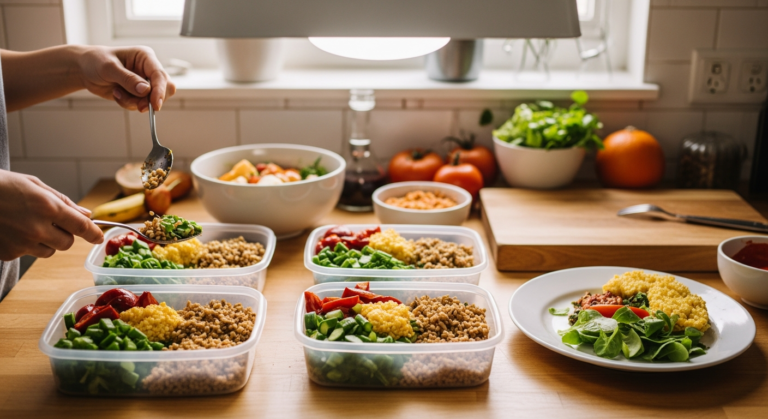
The real weeknight magic happens when you combine your batch proteins with fresh elements and pantry staples. Keep a mental list of 10-minute sides that pair with anything: rice pilaf, roasted vegetables, simple salads, or pasta. Your pre-cooked protein needs only reheating, leaving you time to focus on fresh elements that make each meal feel special and distinct.
My kids have learned to expect “mix and match” dinners where they can choose their protein and sides. The shredded pork might go over rice for one kid and in a tortilla for another. This flexibility reduces dinner complaints while keeping your prep work minimal. Everyone gets fed, everyone’s happy, and you didn’t spend three hours in the kitchen making it happen.
Mama Munch
Mama Munch is a food-obsessed parent of two who believes every family deserves simple, nutritious meals — even on the busiest weeknights. With a background in nutrition education and years of navigating picky eaters, allergies, and toddler taste buds, she creates practical recipes and meal strategies that actually work for real families.