How to Meal Prep Without Getting Bored
Learn to keep meal prep exciting and avoid boredom by creating versatile flavor foundations and using a mix-and-match strategy to transform components into diverse meals throughout your week.
- Focus on cooking versatile, flavor-packed protein, vegetable, and grain foundations.
- Marinate proteins in different flavor profiles to create diverse bases for meals.
- Roast various vegetables with complementary seasonings for easy mix-and-match options.
- Infuse grains and starches with flavor during cooking to enhance reheated dishes.
- Transform prepped components into entirely different meals using a mix-and-match strategy.
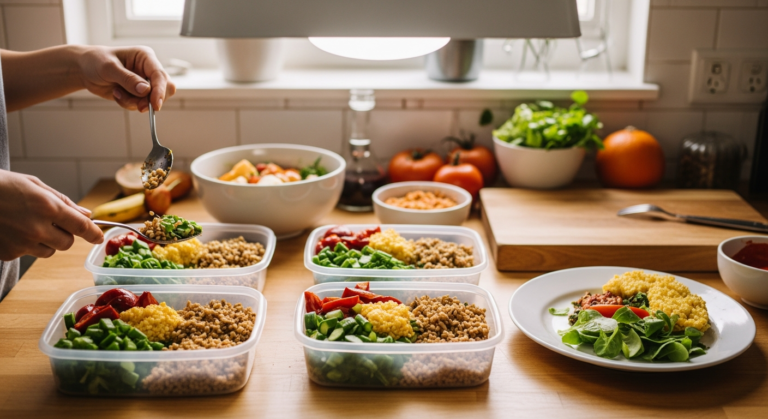
Picture this: you open your fridge on Sunday night, admiring those perfectly portioned containers lined up like little soldiers of efficiency. Fast forward to Wednesday, and you’re staring at the same sad chicken and rice combo wondering if this is what adult life has reduced you to. Sound familiar? I’ve been there more times than I care to admit.
The thing is, meal prep doesn’t have to be a flavorless march toward nutritional adequacy. After five years of feeding my family through the chaos of school schedules, soccer practices, and my husband’s ever-changing work meetings, I’ve cracked the code on keeping meal prep exciting. The secret isn’t just about batch cooking – it’s about building a flexible system that keeps your taste buds guessing while your schedule stays sane.
What changed everything for me was realizing that variety doesn’t require completely different meals every day. Instead, it’s about creating a foundation of versatile components that can transform into entirely different experiences throughout the week. Let me show you exactly how to make meal prep feel less like a chore and more like your secret weapon for delicious, stress-free dinners.
Master the Art of Flavor Foundations
The biggest mistake I see with meal prep is cooking complete meals that can’t be changed once they’re made. Instead, focus on creating flavor-packed bases that can be transformed throughout the week. Think of these as your culinary building blocks – they do the heavy lifting while giving you endless remix possibilities.
Start with protein that’s been marinated in different flavor profiles before cooking. On Sunday, I’ll take three pounds of chicken thighs and divide them into three different marinades: Mediterranean (olive oil, lemon, oregano, garlic), Asian-inspired (soy sauce, ginger, sesame oil, rice vinegar), and Mexican (lime, cumin, chili powder, cilantro). Each batch gets 30 minutes to soak up those flavors before I bake them all at 425°F for 25-30 minutes.
For your vegetable foundation, roast large sheet pans of different vegetables with complementary seasonings. Zucchini, bell peppers, and red onions tossed with Italian herbs pair beautifully with that Mediterranean chicken later in the week. Meanwhile, broccoli and snap peas roasted with a touch of sesame oil become perfect partners for your Asian protein. The key is roasting at high heat – around 450°F – for 15-20 minutes until you get those slightly caramelized edges that add so much depth to reheated meals.
Don’t forget about grains and starches as flavor vehicles. Cook your rice in chicken or vegetable broth instead of water, add a bay leaf and some garlic to your quinoa cooking liquid, or toss your roasted sweet potato cubes with smoked paprika while they’re still warm. These small touches make reheated meals taste intentional rather than like leftovers.
The Mix-and-Match Strategy That Actually Works
Once you have your flavor foundations ready, the magic happens in how you combine them throughout the week. This is where meal prep stops feeling repetitive and starts feeling like you have a personal chef who knows exactly what you’re craving.
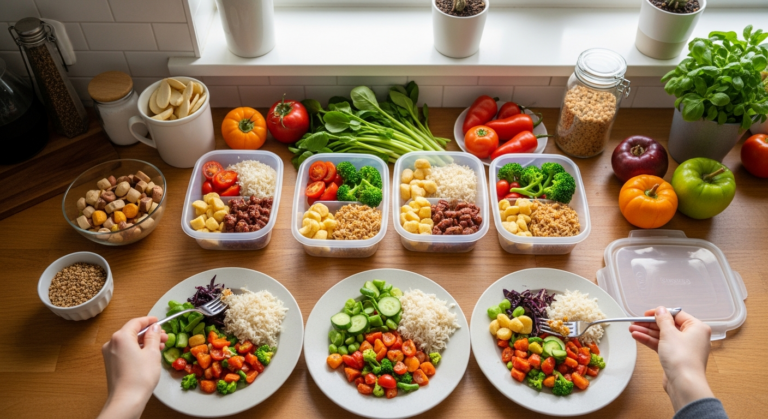
Let’s say you’ve prepped that Mediterranean chicken, some roasted vegetables, and herbed quinoa. Monday night, serve it traditionally with a simple Greek salad and some warmed pita. Tuesday, shred that same chicken and stuff it into whole wheat tortillas with the roasted peppers, some feta, and a dollop of tzatziki for completely different Mediterranean wraps. By Wednesday, dice the remaining chicken and vegetables to toss with cooked pasta, olive oil, and fresh basil for a hearty grain bowl that feels nothing like Monday’s dinner.
The Asian-marinated protein gets even more versatile. Serve it over rice with steamed broccoli and a drizzle of sriracha mayo on busy Tuesday. Wednesday, slice it thin for lettuce wraps with shredded carrots, cucumber, and peanut dipping sauce. Thursday, dice it up for fried rice using day-old rice, frozen peas, and scrambled eggs – a completely different meal that takes just 10 minutes to pull together.
Keep a well-stocked pantry of sauces, condiments, and quick-cooking add-ins to facilitate these transformations. Tahini, pesto, hot sauce, coconut milk, canned tomatoes, and good mustard can completely change the personality of your prepped ingredients. I always keep frozen vegetables like peas, corn, and spinach on hand because they cook quickly and add fresh flavor and color to reheated meals.
Quick Sauce Formulas for Instant Variety
Master these three basic sauce ratios, and you can transform any prepped protein and vegetables into something that tastes completely new:
- Creamy tahini sauce: 3 tablespoons tahini, 2 tablespoons lemon juice, 1 clove minced garlic, water to thin, salt to taste
- Asian-style stir-fry sauce: 2 tablespoons soy sauce, 1 tablespoon rice vinegar, 1 teaspoon sesame oil, 1 teaspoon honey, red pepper flakes
- Mediterranean herb oil: 1/4 cup olive oil, 2 tablespoons fresh herbs, 1 tablespoon lemon juice, minced garlic, salt and pepper
Batch Cook Smart, Not Hard
Efficient meal prep isn’t about spending your entire Sunday in the kitchen – it’s about maximizing your effort for the biggest payoff. I’ve learned to work smarter by choosing recipes and techniques that give me the most versatility with the least active cooking time.
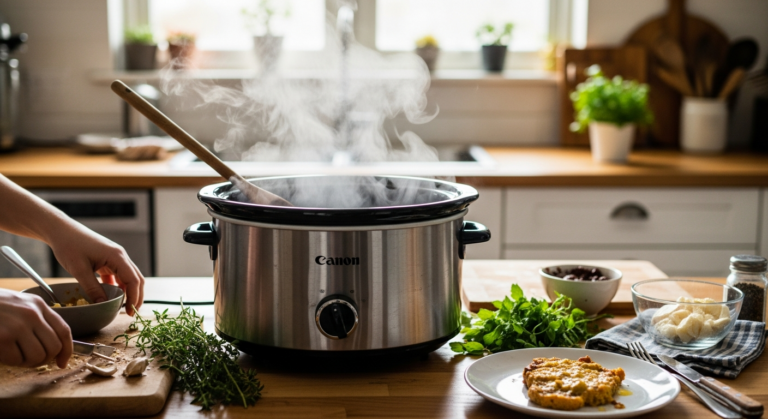
Slow cooker and Instant Pot meals are obvious winners, but think beyond the basic “dump and cook” recipes. Use your slow cooker to make large batches of shredded meats that can become tacos, grain bowls, sandwiches, or soup additions throughout the week. A 3-pound pork shoulder with just salt, pepper, garlic powder, and a splash of apple cider vinegar becomes incredibly versatile pulled pork after 6-8 hours on low. Portion it into smaller containers and freeze half for next month.
Sheet pan meals are another game-changer, but instead of cooking complete meals on one pan, use multiple sheet pans to batch cook similar items at the same temperature. While those vegetables roast at 450°F, use your oven’s other rack to cook meatballs, roast a whole chicken, or bake a pan of seasoned tofu. This approach maximizes your oven time and gives you more components to mix and match.
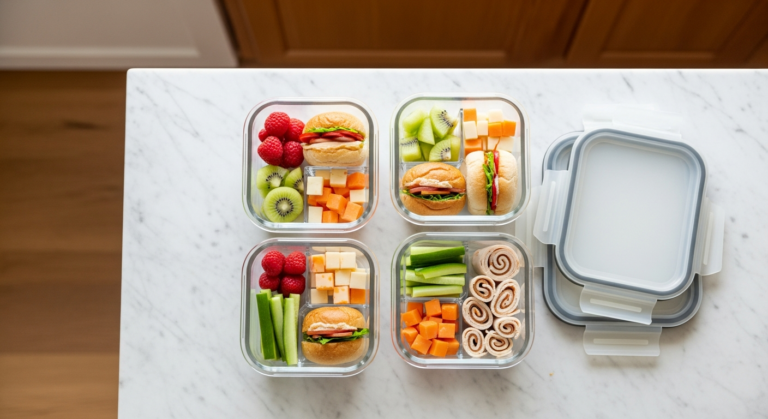
Don’t overlook the power of partial prep. Sometimes the most time-consuming part of weeknight cooking isn’t the actual cooking – it’s the chopping, measuring, and setup. Spend 20 minutes washing and chopping all your vegetables for the week, portioning them into clear containers so you can see what you have. Pre-measure spice blends for your favorite quick meals into small containers or bags. When Wednesday hits and everyone’s cranky and hungry, being able to dump pre-measured ingredients into a pan makes the difference between homemade dinner and takeout.
Create Theme Nights with Flexible Frameworks
One strategy that’s been a total game-changer for my family is establishing loose theme nights that provide structure without rigidity. Instead of planning exact meals, I plan frameworks that can be adapted based on what I have prepped, what’s in season, or what everyone’s in the mood for.
Taco Tuesday becomes “build-your-own” night where the base is always some kind of protein (that Asian-marinated chicken works surprisingly well in tacos), tortillas or lettuce cups, and an array of toppings. Sometimes it’s traditional Mexican flavors, other times it’s Korean-inspired with kimchi and sriracha mayo, or Mediterranean with hummus and roasted vegetables. The framework stays the same, but the flavors rotate based on what proteins and vegetables I’ve prepped.
Soup and Salad Wednesday means I always have one batch of soup in the freezer and salad components washed and prepped. The soup might be a hearty lentil stew one week, creamy roasted tomato the next, or a simple chicken and vegetable broth-based soup made from whatever roasted vegetables are left over. Pair it with a big salad using different combinations of greens, proteins, and dressings, and you have a satisfying meal that feels seasonal and fresh.
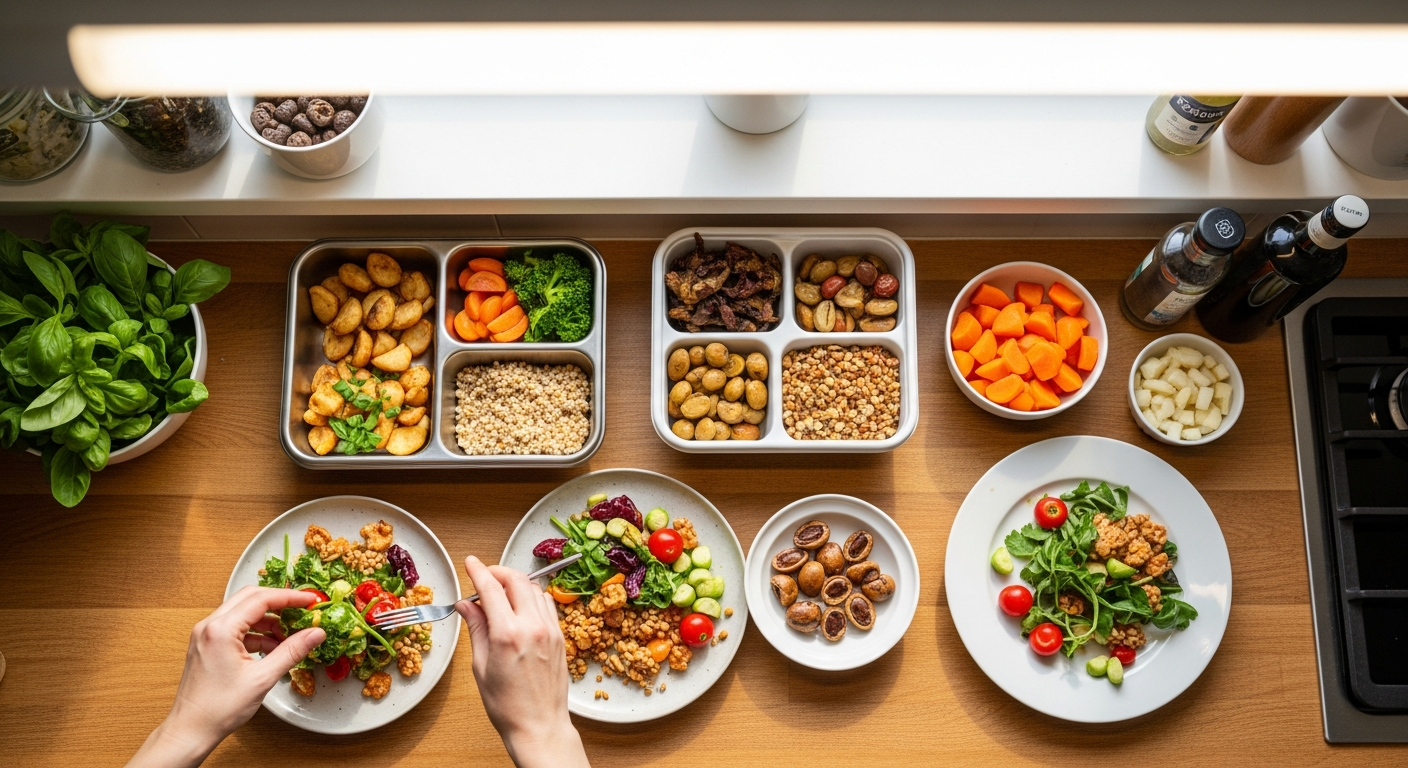
Grain Bowl Thursday is where all those individual prepped components really shine. Start with a base of quinoa, brown rice, or farro. Add whatever protein and roasted vegetables you have on hand. Top with something crunchy (toasted nuts, seeds, or crispy chickpeas), something creamy (avocado, yogurt, or one of those quick sauces), and fresh herbs or greens. Every week feels completely different even though the formula stays the same.
The Power of Strategic Leftovers
Plan for intentional leftovers that transform beautifully. That whole roasted chicken from Sunday becomes chicken salad sandwiches, soup stock from the bones, and diced chicken for Wednesday’s grain bowls. Leftover roasted vegetables get pureed into soup, mixed into frittatas, or blended into pasta sauces. Rice that’s a day old makes the best fried rice. These aren’t just leftovers – they’re ingredients for completely different meals.
Keep Your Pantry and Freezer Working for You
The secret to never getting bored with meal prep is having the right supporting cast of ingredients that can quickly transform your prepped foundations. Your pantry should be stocked with flavor-makers that have long shelf lives and can completely change the direction of a meal.
Invest in good-quality canned tomatoes, coconut milk, and broth – these become the base for countless quick sauces and soups that can incorporate your prepped proteins and vegetables. Keep a variety of vinegars (rice, red wine, balsamic, apple cider) because acid is often what makes reheated food taste fresh and bright again. A splash of rice vinegar can wake up day-old stir-fry components, while balsamic vinegar can make roasted vegetables taste like they just came out of the oven.
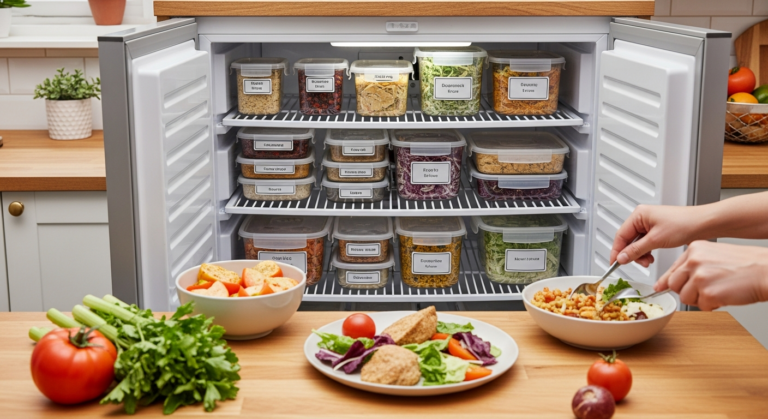
Your freezer should house more than just containers of prepped meals. Keep bags of frozen herbs in oil (blend fresh herbs with olive oil and freeze in ice cube trays), homemade pesto portioned into small containers, and cooked grains that freeze beautifully. I always have a container of parmesan rinds in my freezer – toss one into any soup or grain dish while reheating for an instant flavor boost.
Nuts and seeds add crucial texture and richness to reheated meals. Keep pine nuts, almonds, pumpkin seeds, and sesame seeds on hand. A handful of toasted nuts can make a simple grain bowl feel restaurant-worthy. Store them in the freezer to maintain freshness – they toast beautifully straight from frozen.
Don’t underestimate the power of good bread and cheese to transform prepped ingredients. That Mediterranean chicken becomes an completely different meal when stuffed into a pita with fresh vegetables and feta, or when served over toast with a poached egg and arugula. Keep a few types of cheese in your fridge – goat cheese, sharp cheddar, and parmesan can each take the same base ingredients in totally different directions.
Timing Your Prep for Maximum Impact
The key to sustainable meal prep isn’t doing everything on Sunday – it’s spreading your prep work strategically throughout the week so it never feels overwhelming while keeping your meals fresh and varied.
I do my heavy lifting on Sunday: roasting vegetables, cooking grains, and preparing those marinated proteins. But Wednesday evening, I spend 15 minutes doing a mid-week refresh. I’ll quickly steam some fresh broccoli, cook a small batch of pasta, or prep a simple salad. This mini-prep session ensures that Thursday and Friday’s meals don’t taste like they’ve been sitting around all week.
Friday is perfect for using up odds and ends in creative ways. That last bit of roasted chicken gets mixed with leftover vegetables and cheese for a quick frittata. The remaining grains become the base for a cleaning-out-the-fridge soup with whatever vegetables are still hanging around. These end-of-week meals often become family favorites because they’re so creative and waste-free.
Consider your family’s schedule when timing your prep. If Tuesdays are always crazy with late practices, make sure Tuesday’s meal is the simplest reheat-and-serve option. Save the meals that require a few minutes of assembly or fresh additions for nights when you have a bit more breathing room.
The beauty of this approach is that meal prep becomes less about rigid planning and more about creating delicious possibilities. When you open your fridge on a busy Wednesday, instead of seeing the same boring containers, you see building blocks for whatever sounds good in the moment. That’s when meal prep stops feeling like a chore and starts feeling like the gift you gave your future self – the gift of choice, variety, and home-cooked meals even on the most chaotic days.
Mama Munch
Mama Munch is a food-obsessed parent of two who believes every family deserves simple, nutritious meals — even on the busiest weeknights. With a background in nutrition education and years of navigating picky eaters, allergies, and toddler taste buds, she creates practical recipes and meal strategies that actually work for real families.