Breakfast Meal Prep Ideas for the Week
The alarm goes off at 6:30 AM, and I can already hear little feet padding toward the kitchen. My youngest appears in pajamas, hair sticking up at impossible angles, announcing she’s “starving” while my middle schooler shuffles past, backpack slung over one shoulder, claiming he’s “not hungry” (he will be by 10 AM). Sound familiar? This exact scene plays out in our house every Tuesday morning, and it’s exactly why I became obsessed with breakfast meal prep.
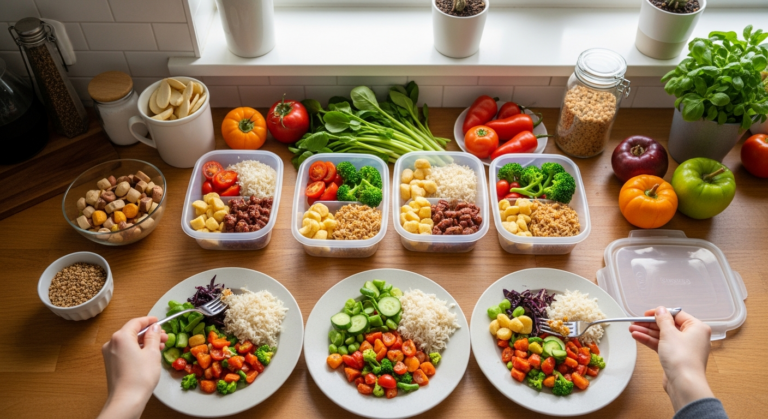
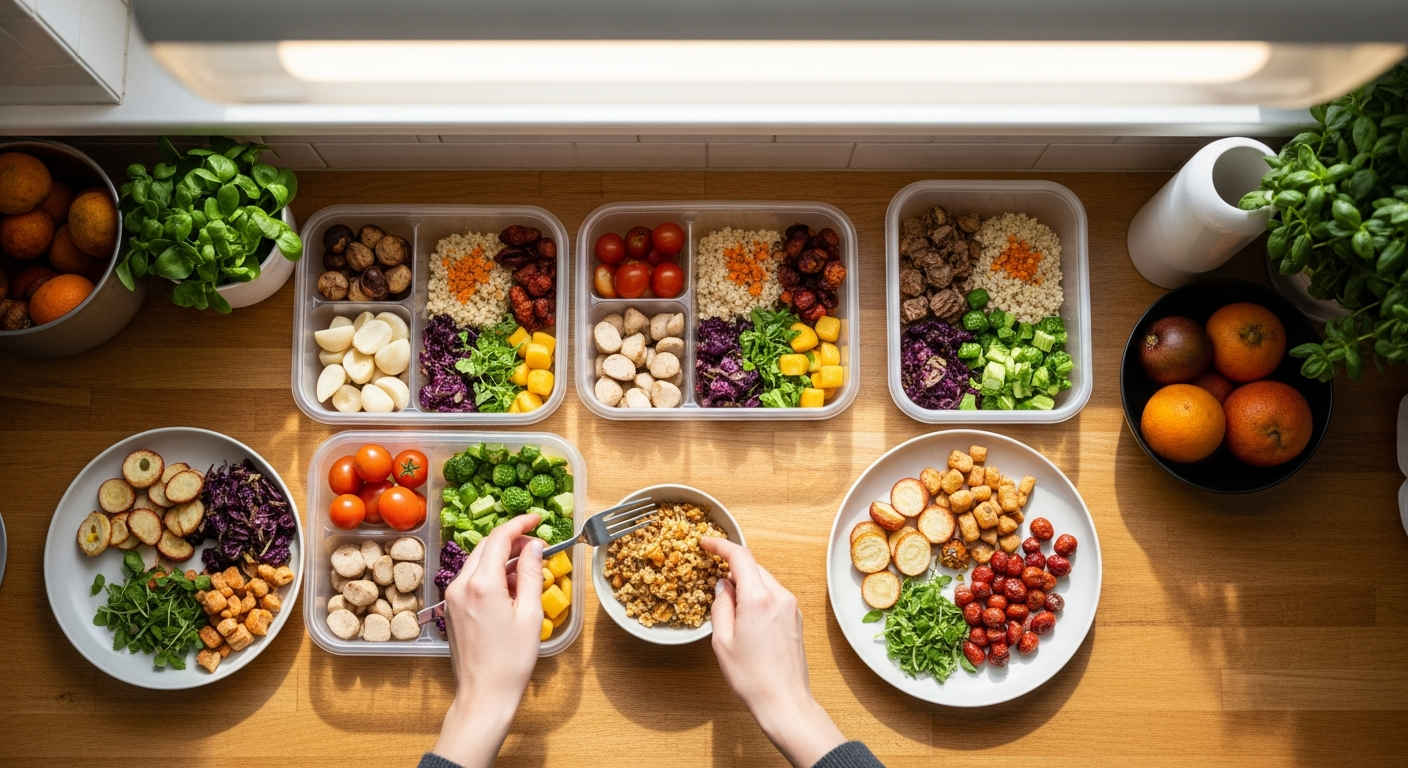
After years of frantically spreading peanut butter on toast while simultaneously packing lunches and hunting for missing shoes, I finally cracked the code. Sunday afternoons now mean two glorious hours of breakfast prep that transform our entire week. No more hangry kids waiting for scrambled eggs. No more grabbing expensive granola bars from the pantry because we’re running late again.
The secret isn’t just making food ahead—it’s making the right foods ahead. Foods that actually taste good reheated, that kids will eat without negotiation, and that give everyone enough fuel to power through until lunch. Here’s everything I’ve learned about breakfast meal prep that actually works for real families with real morning chaos.
Make-Ahead Egg Dishes That Actually Taste Good
Let’s be honest—most reheated eggs taste like rubber. But there are a few golden exceptions that have saved countless mornings in our house. Egg muffins are the MVP of breakfast meal prep, and I’m not talking about those sad, watery versions you see everywhere. The key is using enough fat and cooking them low and slow.
My go-to recipe uses 12 eggs beaten with 1/4 cup heavy cream, 1/2 cup shredded cheese, and whatever vegetables I have on hand. Diced bell peppers, spinach, and cherry tomatoes work beautifully, but even leftover roasted vegetables from dinner get a second life here. I grease a muffin tin with butter (not cooking spray—trust me on this), fill each cup about 3/4 full, and bake at 325°F for 18-20 minutes until they’re just set but still slightly jiggly in the center.
These egg muffins keep in the refrigerator for five days and reheat in 30 seconds in the microwave. My kids eat them with their hands like little breakfast cupcakes, and they’re equally good for adults when topped with hot sauce or everything bagel seasoning. The cream keeps them tender, and the lower baking temperature prevents that rubbery texture that ruins so many make-ahead egg dishes.
Another winner is a sheet pan scramble that feeds the whole family at once. I beat 18 eggs with 1/2 cup milk, pour them onto a parchment-lined half sheet pan, and add crumbled cooked sausage, cheese, and pre-cooked hash browns. Twenty-five minutes at 375°F gives you a giant egg “pizza” that cuts into perfect squares. Each portion reheats beautifully and feels substantial enough to keep everyone full until lunch.
Overnight Oats That Don’t Turn to Mush
I was skeptical of overnight oats for the longest time because every version I tried turned into a soggy mess. Then I discovered the magic ratio: 1/2 cup old-fashioned oats to 1/3 cup liquid. Not 1/2 cup liquid like most recipes suggest—that’s where the mushiness comes from.
My kids’ favorite combination uses 1/2 cup oats, 1/3 cup whole milk, 2 tablespoons plain Greek yogurt, 1 tablespoon maple syrup, and 1/4 teaspoon vanilla. I mix this base on Sunday and divide it between four mason jars, then customize each one. Chocolate chip and banana for my sweet-tooth daughter. Cinnamon and diced apple for my fruit-loving middle child. Peanut butter and jam swirled in for my husband who’s basically still a kid himself.
The Greek yogurt is crucial—it adds protein and creates a creamy texture without making things watery. I add fresh fruit and nuts right before serving, not the night before, so they don’t get soggy or lose their crunch. A handful of toasted pecans or sliced almonds on top makes these feel like a special treat rather than health food.
Steel-cut oats work even better for meal prep if you have a little more time on Sunday. I cook a big batch in the slow cooker (1 cup steel-cut oats, 4 cups water, pinch of salt, cook on low for 8 hours), then portion them into containers with different mix-ins. These reheat perfectly with a splash of milk and taste almost better than fresh because the flavors have time to meld together.
Freezer-Friendly Breakfast Burritos and Wraps
Breakfast burritos might be the ultimate grab-and-go meal prep option, but most homemade versions turn into soggy disasters in the freezer. The trick is controlling moisture and using the right wrapping technique. I learned this the hard way after several batches of mushy, disappointing burritos that went straight to the garbage.
Start with scrambled eggs that are slightly underdone—they’ll finish cooking when you reheat the burrito. I scramble 12 eggs until they’re just barely set, then let them cool completely before assembling. For fillings, I use pre-cooked and cooled breakfast sausage, shredded cheese, and hash browns that I’ve baked in the oven until crispy (not pan-fried, which adds too much oil).
The wrapping technique makes all the difference. Use burrito-size flour tortillas, and warm them slightly in the microwave so they’re pliable. Place about 3/4 cup of filling in the center, fold in the sides, then roll tightly from bottom to top. Immediately wrap each burrito individually in aluminum foil, making sure there are no air pockets.
These freeze for up to three months and reheat straight from frozen. Remove the foil, wrap in a damp paper towel, and microwave for 2-3 minutes, flipping halfway through. The paper towel creates steam that prevents the tortilla from drying out, and removing the foil prevents sogginess.
For a lower-carb option, I make breakfast wraps using large spinach tortillas filled with cream cheese, scrambled eggs, and everything bagel seasoning. These taste like breakfast at a fancy hotel but cost a fraction of the price and reheat perfectly for busy weekday mornings.
Make-Ahead Pancakes and Waffles
Weekend pancakes are lovely, but weekday pancakes seemed impossible until I discovered that homemade pancakes and waffles freeze beautifully—and actually toast up better than the store-bought versions that cost three times as much.
My secret weapon is a double batch of buttermilk pancakes made every other Sunday. I use 4 cups flour, 4 tablespoons sugar, 4 teaspoons baking powder, 2 teaspoons salt, 4 eggs, 3 1/2 cups buttermilk, and 1/2 cup melted butter. This makes about 20 pancakes that I cook on my electric griddle until they’re golden but not quite as done as I’d normally make them—they’ll finish cooking in the toaster.
Once they’re completely cool, I layer them between sheets of parchment paper and freeze them in gallon-sized freezer bags. On busy mornings, they go straight from freezer to toaster—no thawing required. Two cycles in the toaster gives you hot, fluffy pancakes that taste freshly made. My kids prefer these to restaurant pancakes because they can customize their own toppings.
Waffles work even better for this method because the little pockets hold syrup perfectly. I make mine slightly thicker than usual by reducing the liquid by about 1/4 cup, which helps them hold their shape when frozen and reheated. A batch of 12 waffles takes about 45 minutes to make on Sunday but provides breakfasts for nearly two weeks.
The key to both is letting them cool completely on wire racks before freezing. Any residual steam will create ice crystals that make them soggy when reheated. I’ve tried freezing them in single layers on sheet pans first, but honestly, the parchment paper method works just as well and takes up less freezer space.
Quick Assembly Breakfast Stations
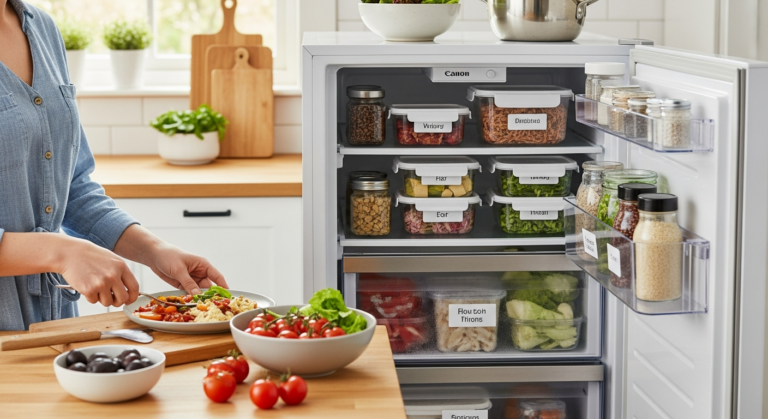
Sometimes the best meal prep isn’t about cooking everything ahead—it’s about organizing ingredients so breakfast assembly takes less than two minutes. I set up what I call “breakfast stations” in our refrigerator that make morning decision-making practically effortless.
My smoothie station lives in a clear container in the fridge door: pre-portioned freezer bags with fruit combinations (strawberry-banana, mango-pineapple, mixed berry), containers of Greek yogurt, and a pitcher of milk. Everything my kids need is in one spot, and they can make their own smoothies while I’m dealing with the morning chaos. I prep the fruit bags on Sunday—washing, cutting, and portioning everything into individual servings that blend perfectly with one cup of yogurt and 1/2 cup milk.
The yogurt parfait station is equally popular in our house. I portion Greek yogurt into small mason jars, add a drizzle of honey, and store homemade granola in a large container with a scoop. Fresh berries live in separate containers so they don’t get soggy. My kids can layer their own parfaits exactly how they like them, and cleanup is minimal because everything goes back to its designated spot.
For my husband who prefers savory breakfasts, I keep a container of hard-boiled eggs (made in the Instant Pot every Sunday), pre-cooked bacon stored between paper towels, and English muffins in the freezer. He can assemble a breakfast sandwich in under three minutes, and everything reheats perfectly in our toaster oven.
The secret to successful breakfast stations is using clear containers and keeping everything at eye level in the refrigerator. When people can see their options immediately, they’re more likely to make good choices instead of grabbing whatever’s most convenient. I refresh these stations twice a week—Sunday evening and Wednesday evening—to keep everything fresh and well-stocked.