How Much Should My Toddler Be Eating?
Toddler appetites are unpredictable, but you can learn to navigate mealtime challenges. Discover appropriate portion sizes based on your toddler's stomach size and how to recognize their unique hunger and fullness cues to foster healthy eating habits.
- Understand toddler portion sizes are much smaller than you expect.
- Offer appropriate portions and let your child self-regulate their intake.
- Learn to recognize your toddler's specific hunger cues before meals.
- Watch for clear fullness signals like pushing food away or playing.
This post contains affiliate links. As an Amazon Associate I earn from qualifying purchases.
My two-year-old Emma once ate exactly three blueberries, half a goldfish cracker, and somehow managed to get more yogurt on her high chair tray than in her mouth during what I optimistically called “lunch.” Meanwhile, my friend’s toddler of the same age polished off an entire grilled cheese sandwich, a cup of strawberries, and asked for seconds. Sound familiar?
Here’s the truth that took me months to accept: toddler appetites are as unpredictable as afternoon thunderstorms, and what constitutes “enough” food can vary dramatically from day to day, even for the same child. Some days your little one might eat like they’re training for a marathon, while others they seem to survive on air and determination alone.
After countless pediatrician visits, conversations with registered dietitians, and plenty of trial and error in my own kitchen, I’ve learned that understanding toddler portion sizes isn’t just about numbers on a chart. It’s about recognizing hunger cues, providing nutritious options, and trusting that healthy children are remarkably good at self-regulating their food intake when we create the right environment.
In this article (5 sections)
Understanding Toddler Portion Sizes: The Real Numbers
Let’s start with the concrete guidelines that actually matter. According to pediatric nutritionists, a toddler’s stomach is roughly the size of their closed fist, which means proper portion sizes are much smaller than most parents realize. A serving of protein for a 1-3 year old is just one ounce – think one small meatball, two tablespoons of scrambled eggs, or a single fish stick.
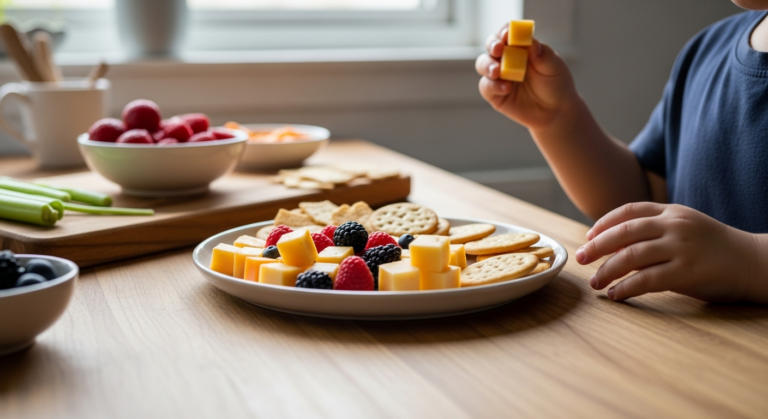
For grains, we’re talking about half a slice of bread, quarter cup of cooked pasta, or two to three small crackers per serving. Fruits and vegetables should be about a quarter cup each, though you can offer more if your toddler shows interest. A serving of dairy equals half a cup of milk or a half-ounce of cheese – roughly two small cubes of cheddar.
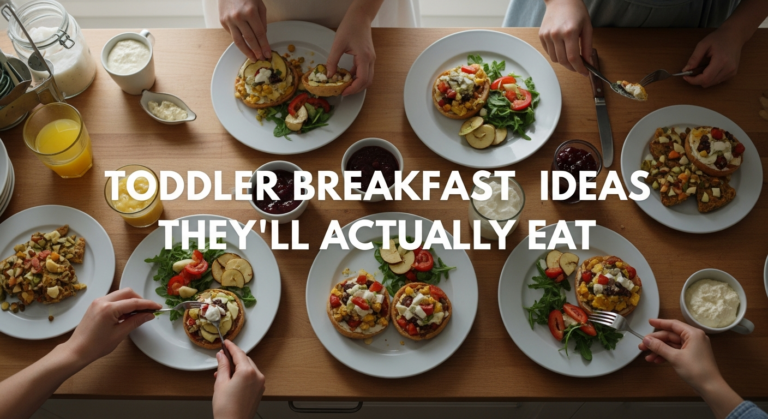
Here’s what a balanced day might look like in practice: breakfast could be half a scrambled egg with two tablespoons of shredded cheese melted on top, quarter cup of diced strawberries, and half a slice of whole grain toast cut into strips. Mid-morning snack might be two tablespoons of hummus with three cucumber slices. Lunch could include one small turkey meatball, quarter cup of steamed broccoli florets, and two tablespoons of quinoa mixed with a drizzle of olive oil.
Remember, these are starting points, not rigid rules. Some toddlers will eat exactly these amounts, others will want more or less. The key is offering appropriate portions and letting your child’s appetite guide additional servings.
Recognizing Hunger and Fullness Cues
Learning to read your toddler’s hunger signals is like becoming fluent in a new language – one that involves a lot of pointing, grunting, and the occasional food projectile. Hungry toddlers often become cranky, clingy, or unusually fussy about 30 minutes before they’re truly ready to eat. They might bring you snack containers, point to the kitchen, or simply melt down for no apparent reason.
During meals, watch for active engagement with food. A hungry toddler will lean forward, reach for food, open their mouth when the spoon approaches, and show genuine interest in what’s on their plate. They might not eat everything, but they’ll participate in the eating process.
Signs Your Toddler Is Done Eating
Fullness cues are often more dramatic and easier to spot. Your toddler might push food away, shake their head “no,” throw food on the floor, or simply slide down in their high chair and try to escape. Some children will play with their food when they’re no longer hungry, using their mashed sweet potatoes as finger paint or building towers with their cut grapes.
Here’s a practical tip I learned the hard way: when my daughter starts feeding her food to our dog instead of eating it herself, mealtime is officially over. Fighting these clear signals usually results in tears (both theirs and mine) and rarely leads to more food consumption.
Trust these cues even when they seem inconvenient. If your toddler ate a substantial snack an hour before dinner, they genuinely might not be hungry for your carefully prepared salmon and roasted vegetables. Offer the meal anyway, but don’t stress if they only nibble.
Daily and Weekly Eating Patterns
Most toddlers need three meals and two to three snacks per day, spaced about two to three hours apart. But here’s what the parenting books don’t always tell you: your child might eat 80% of their daily calories at breakfast and lunch, then barely touch dinner. Or they might graze lightly all day and suddenly devour everything in sight at 5 PM.
I track my kids’ eating patterns over a week rather than obsessing over individual meals. Monday might bring enthusiastic consumption of my homemade chicken and vegetable soup (recipe: simmer one diced chicken breast, half cup each of carrots, celery, and potatoes in low-sodium broth for 20 minutes), while Tuesday sees the same child surviving on string cheese, apple slices, and sheer willpower.
Sample Weekly Eating Rhythm
A typical week might include some big eating days and some smaller appetite days. Growth spurts often trigger increased hunger for 2-3 days, followed by several days of lighter eating. I’ve learned to cook larger batches during high-appetite periods and have simple backup options ready during low-appetite phases.
Keep easy, nutritious options available: hard-boiled eggs that keep in the fridge for a week, pre-cut vegetables stored in water to maintain crispness, and homemade muffins packed with shredded zucchini and carrots. My go-to toddler muffin recipe combines one cup whole wheat flour, half cup oats, one mashed banana, one egg, quarter cup milk, and whatever finely chopped vegetables I have on hand. Bake at 350°F for 18 minutes.
Quality Over Quantity: Making Every Bite Count
When your toddler only eats six bites at a meal, those bites need to pack serious nutritional punch. Instead of offering plain crackers, try whole grain options topped with almond butter and thinly sliced banana. Replace juice with water and offer whole fruits that provide fiber along with vitamins.
I’ve become expert at sneaking nutrition into small portions. My smoothie recipe that even picky eaters accept: half cup frozen mango, quarter cup spinach (they can’t taste it, I promise), quarter cup Greek yogurt, and enough milk to blend smoothly. Serve in a fun cup with a colorful straw and call it a “special drink.”
For toddlers who love dips, homemade ranch made with Greek yogurt provides protein and probiotics. Mix half cup plain Greek yogurt with one packet ranch seasoning and use it for everything from cucumber slices to roasted sweet potato wedges. This keeps in the fridge for five days and transforms vegetables into exciting finger foods.
Nutrient-Dense Finger Foods
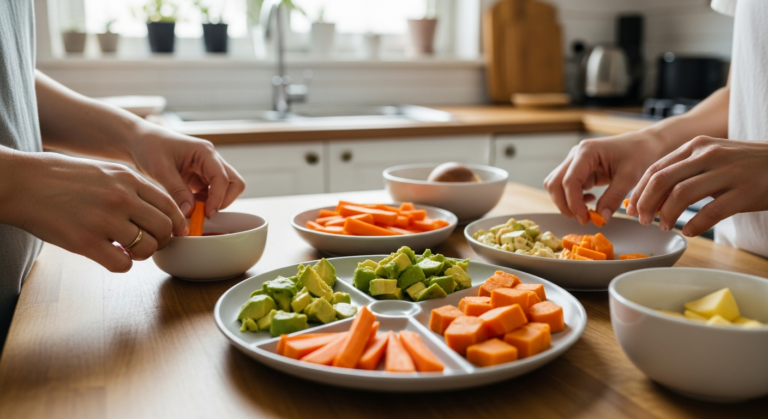
Focus on foods that deliver maximum nutrition in toddler-friendly packages. Avocado slices provide healthy fats essential for brain development. Hard-boiled egg yolks offer iron and choline. Small cubes of roasted butternut squash deliver beta-carotene and natural sweetness that appeals to young palates.
My favorite nutrient-packed finger food combines cooked quinoa with finely diced vegetables and a light coating of olive oil. Form into small patties and pan-fry until golden. These freeze beautifully and reheat in the toaster oven, making busy morning breakfasts manageable.
When to Worry and When to Relax
Most pediatricians use growth charts and overall development as primary indicators of adequate nutrition, not daily food logs. If your toddler is meeting developmental milestones, has good energy levels, and follows their individual growth curve, they’re likely eating enough even if it doesn’t match your expectations.
Red flags that warrant professional consultation include consistent refusal to eat for more than a few days, significant weight loss, extreme fatigue, or eating behaviors that interfere with family meals and social situations. Some children have sensory processing issues that affect eating, while others might have underlying medical conditions that impact appetite.
However, many eating concerns resolve naturally as children mature. My now four-year-old, who once survived on what seemed like three cheerios and determination, now asks for seconds of my roasted chicken thighs (seasoned with garlic powder, paprika, and thyme, baked at 425°F for 25 minutes until skin is crispy).
Creating Positive Mealtime Environment
Pressure often backfires with toddlers. Instead of coaxing, bribing, or negotiating, offer appropriate foods at regular intervals and trust your child’s internal hunger cues. Make mealtimes pleasant by eating together when possible, keeping conversation light, and avoiding battles over specific foods.
Keep offering variety without becoming a short-order cook. If your toddler rejects the evening’s stir-fry, offer a simple alternative like cheese and crackers rather than preparing an entirely different meal. Research shows children often need 10-15 exposures to new foods before accepting them, so patience pays off.
Remember that feeding toddlers is a marathon, not a sprint. Some days will feel like victories when they eat everything you offer, others will test your sanity when they refuse previously loved foods. Both scenarios are completely normal parts of raising healthy, independent eaters who will eventually graduate to family meals and maybe even request seconds.
Mama Munch
Mama Munch is a food-obsessed parent of two who believes every family deserves simple, nutritious meals — even on the busiest weeknights. With a background in nutrition education and years of navigating picky eaters, allergies, and toddler taste buds, she creates practical recipes and meal strategies that actually work for real families.