First Finger Foods for Babies: What to Start With
Discover when your baby is ready for finger foods and learn how to prepare safe, soft options like steamed vegetables, ripe avocado, and various fruits. You'll get actionable tips to encourage self-feeding and explore new textures.
- Offer soft, graspable foods like steamed sweet potato strips or roasted broccoli florets.
- Prepare ripe avocado in thick wedges, leaving some peel for a handle; roll in oats if slippery.
- Serve ripe banana spears or pear/peach slices, coating slippery fruits in crushed puffs if needed.
This post contains affiliate links. As an Amazon Associate I earn from qualifying purchases.
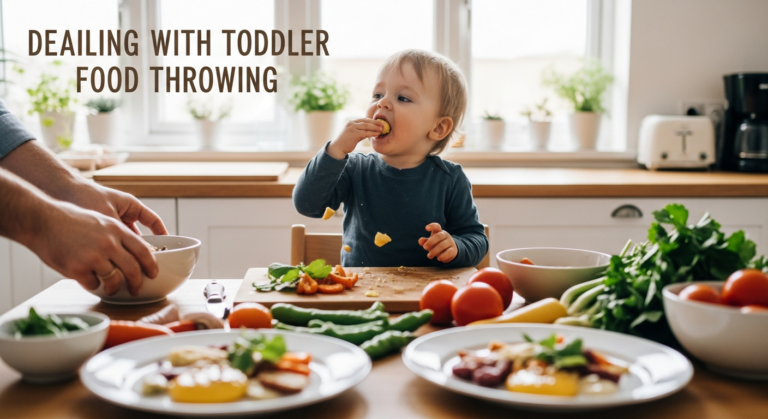
Picture this: your 6-month-old is sitting in their high chair, eyeing your toast with laser focus, their tiny hands opening and closing like they’re practicing to snatch it right from your fingers. That intense stare, the way they lean forward with determination – it’s your baby’s way of announcing they’re ready to join the family table, and honestly, it might be one of the most exciting food milestones you’ll witness as a parent.
When my oldest daughter first grabbed a piece of roasted sweet potato and successfully guided it to her mouth (okay, mostly her cheek, but still!), I nearly cried happy tears. There’s something magical about watching your baby discover they can feed themselves, even if half the food ends up decorating their bib instead of making it into their belly.
The transition from purees to finger foods doesn’t have to feel overwhelming, even though every baby seems to have their own timeline and preferences. Some babies dive in fearlessly at six months, while others need a few extra weeks to warm up to the idea. What matters most is offering safe, appropriately-sized foods that let your little one explore textures, practice their pincer grasp, and develop independence at mealtime.
In this article (6 sections)
The Perfect Starter Foods: Soft, Safe, and Self-Feeding Friendly
The best first finger foods share a few key characteristics: they’re soft enough to mash between your baby’s gums, large enough to prevent choking, and interesting enough to keep your little explorer engaged. Think foods that compress easily when squeezed but hold their shape well enough for tiny fingers to grasp.
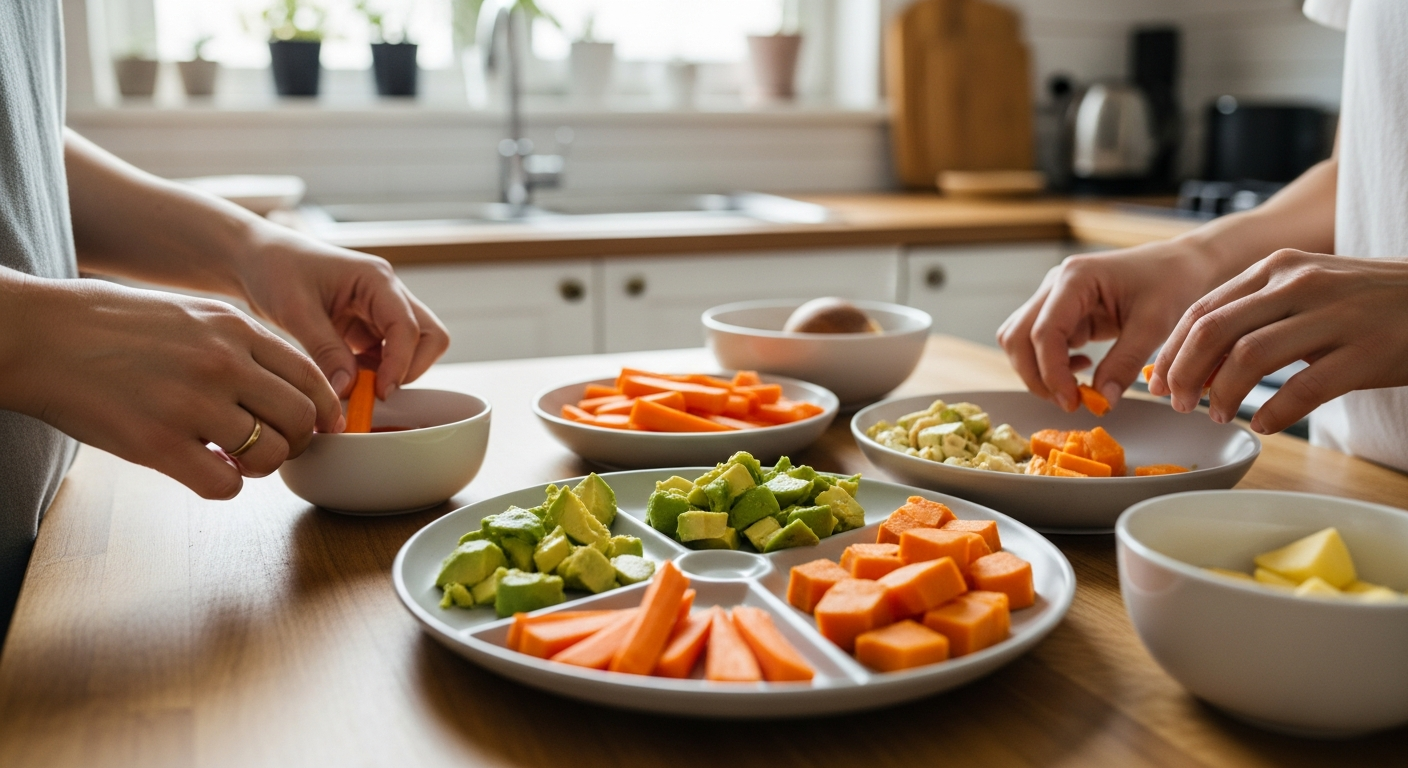
Steamed vegetables top my list of go-to starter foods. Cut sweet potatoes, carrots, or butternut squash into thick strips about the size of your pinky finger, then steam for 12-15 minutes until they’re fork-tender but not mushy. I like to steam a big batch on Sunday afternoons and store them in the refrigerator for easy weekday meals. They’ll keep for up to four days, and you can serve them cold or quickly reheat them in the microwave for 15-20 seconds.
Ripe avocado slices are another winner – they’re naturally soft, packed with healthy fats, and have a mild flavor that most babies love. Cut a ripe avocado into thick wedges, leaving some of the peel on one end to create a natural handle that’s easier for little hands to grip. If your avocado is super ripe and slippery, try rolling the pieces in finely ground oats or baby cereal to add some texture and make them less slick.
Roasted vegetables offer incredible variety and deeper flavors than their steamed counterparts. Toss broccoli florets, cauliflower pieces, or zucchini spears with a tiny drizzle of olive oil and roast at 400°F for 15-20 minutes. The roasting process caramelizes the natural sugars and creates appealing golden edges that seem to catch babies’ attention. Plus, your kitchen will smell amazing.
Fruit Adventures: Sweet First Tastes
Fruits make naturally appealing finger foods, but choosing the right ripeness and preparation method makes all the difference between success and frustration. Ripe banana spears are classic for a reason – they’re perfectly soft, naturally sweet, and easy to hold. Cut a banana in half, then slice each half lengthwise into three or four long pieces. If the banana is very ripe and slippery, try coating it lightly in crushed baby puffs or finely ground nuts (if your family has no history of allergies and your pediatrician has given the green light).
Ripe pear and peach slices offer different textures and flavors to explore. Choose fruits that yield slightly to gentle pressure – they should be ripe enough to mash with your tongue against the roof of your mouth. Cut them into wedge-shaped pieces, leaving the peel on for easier gripping. The natural sugars in ripe fruit seem to be exactly what babies crave, and I love watching their faces light up with that first sweet taste.
For a fun twist, try grilled or roasted fruit. Thick pineapple spears grilled for 2-3 minutes per side develop beautiful caramelized edges and a softer texture that’s perfect for beginning self-feeders. Roasted apple slices (core removed, cut into thick wedges, and baked at 375°F for 15-20 minutes) become naturally tender and develop a concentrated sweetness that’s absolutely irresistible.
Managing the Mess and Making It Work
Let’s be honest – finger food exploration is messy business. I’ve learned to embrace the chaos and set up for success rather than fight it. A large splat mat under the high chair saves my sanity and my floors, and I always have a warm, damp washcloth ready for quick cleanups between foods. Sometimes I strip my baby down to just a diaper before meals, especially when we’re trying foods with vibrant colors like roasted beets or sweet potatoes.
Protein-Packed Options for Growing Babies
Introducing protein through finger foods opens up a world of flavors and textures, though it requires a bit more attention to preparation and safety. Well-cooked egg strips are one of my favorite protein introductions – they’re soft, mild-flavored, and easy to prepare in small batches. Scramble eggs until they’re fully set but still tender, then cut them into finger-sized strips. For variety, try mixing in finely minced herbs like chives or parsley, or stir in a spoonful of mashed avocado for extra creaminess.
Shredded chicken or turkey, cooked until very tender and mixed with a little breast milk, formula, or plain Greek yogurt, creates protein-rich finger food that’s easy for babies to manage. I like to use my slow cooker to make incredibly tender chicken thighs – cook on low for 6-8 hours with just a splash of low-sodium broth, then shred with two forks. The slow cooking process breaks down the fibers beautifully, making it perfect for little mouths.
Fish offers wonderful nutrition, but texture can be tricky for beginners. Flaky white fish like cod or tilapia, baked until tender and carefully checked for bones, can be formed into small patties or cakes. Mix cooked, flaked fish with mashed sweet potato or avocado, form into small, flat patties, and either serve as-is or lightly pan-fry in a tiny amount of olive oil for 2-3 minutes per side.
Plant-based protein options work wonderfully too. Well-cooked lentils, mashed slightly and formed into small balls or patties, provide iron and fiber along with protein. I like to cook red lentils with sweet potato and a pinch of mild curry powder – the lentils break down naturally during cooking, creating a texture that holds together well for finger feeding.
Carbs and Grains: Building Satisfying Meals
Carbohydrates provide important energy for growing babies, and there are so many creative ways to present them as finger foods beyond basic toast strips. Well-cooked pasta shapes like penne, rigatoni, or fusilli are perfect for practicing the pincer grasp. Cook them a few minutes longer than you would for adults – they should be very tender and easy to mash. Toss with a tiny bit of olive oil and perhaps some finely grated Parmesan cheese for babies over 8 months.
Rice balls or patties made from well-cooked brown rice offer substance and can be flavored in countless ways. Cook rice with extra liquid until it’s very soft and sticky, then mix with finely minced vegetables, a beaten egg, and form into small patties. Pan-fry lightly until golden, about 3-4 minutes per side. These freeze beautifully – make a big batch and freeze individual portions for busy weekdays.
Toast soldiers remain a classic for good reason, but the bread choice makes a difference. Look for soft, whole-grain breads without large seeds or nuts. Lightly toast the bread so it’s firm enough to hold but not crispy or hard, then cut into thick strips. Top with mashed banana, avocado, or a thin spread of nut butter (if appropriate for your baby’s age and allergy considerations).
Oat-based finger foods provide fiber and stick-to-your-ribs satisfaction. Mix cooked, cooled oats with mashed banana and a touch of cinnamon, then form into small balls or press into mini muffin tins and bake at 350°F for 12-15 minutes. These little oat bites have a pleasant texture and mild sweetness that most babies enjoy.
Safety First: What to Watch For
While finger food exploration should be fun and relatively stress-free, there are important safety considerations that help keep mealtime enjoyable for everyone. Size matters enormously – foods should be either large enough that baby can’t fit the entire piece in their mouth (think larger than a quarter) or small enough that they’re not a choking risk (smaller than a pea when mashed).
Avoid hard, round foods like whole grapes, cherry tomatoes, or whole blueberries. Instead, quarter grapes lengthwise, cut cherry tomatoes into small pieces, and serve blueberries mashed or cut in half. Nuts, seeds, popcorn, and hard candies should wait until your child is much older and has developed mature chewing skills.
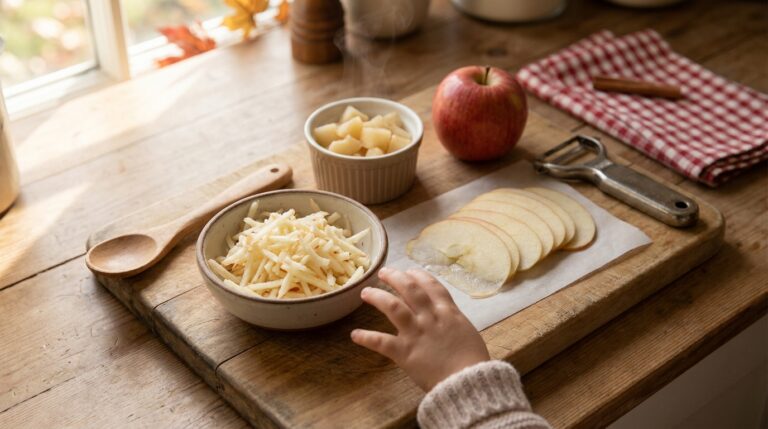
Texture modifications can make borderline foods safer. Instead of serving raw apple slices, which can be too hard for beginning chewers, try grated raw apple mixed with a little yogurt, or steam apple slices until they’re fork-tender. Honey should be completely avoided until after baby’s first birthday due to the risk of botulism.
Trust your instincts about readiness signs. Babies who can sit upright unassisted, have lost the tongue-thrust reflex, and show interest in food are generally ready to start exploring finger foods. Some gagging is normal as babies learn to manage different textures, but familiarize yourself with the difference between gagging (which is protective) and choking (which requires immediate intervention).
Making It Sustainable: Prep Tips and Storage Solutions
The key to successful finger food feeding lies in smart preparation and storage strategies that work with your family’s schedule, not against it. I’ve learned that spending an hour on Sunday afternoon prepping finger foods for the week saves countless minutes during busy weekday mornings and makes me much more likely to offer variety throughout the week.
Batch cooking vegetables is a game-changer. Steam or roast large quantities of sweet potato spears, broccoli florets, and carrot sticks, then store them in glass containers in the refrigerator. They’ll stay fresh for 4-5 days and can be served cold, at room temperature, or quickly warmed. I portion them into small containers so I can grab exactly what I need without exposing the entire batch to temperature changes.
Freezing strategies work wonderfully for certain finger foods. Cooked rice balls, mini egg muffins, and fruit puree popsicles (made in ice cube trays) freeze beautifully and thaw quickly. Label everything with dates and contents – trust me, after a few weeks, that mysterious frozen blob could be anything from sweet potato puree to chicken and rice patties.
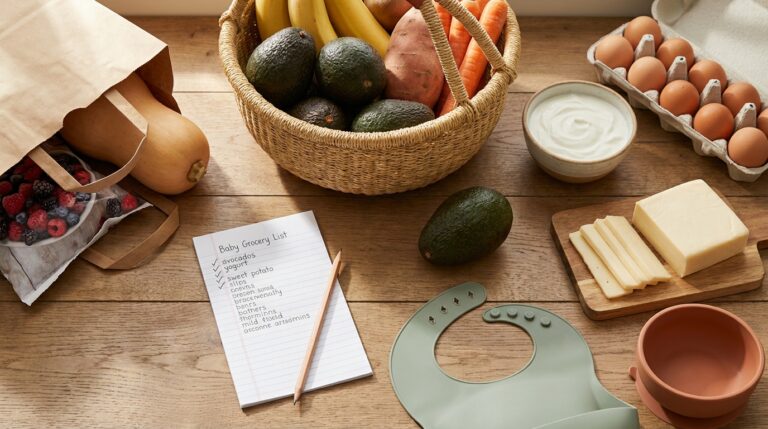
Keep a running list of successful combinations and new foods to try. I use a simple notebook to track what my baby loved, what they ignored, and what might be worth trying again in a few weeks. Taste preferences change so quickly at this age that foods rejected one week might become favorites the next.
Remember that eating is learning, and learning takes time and repetition. Some days your baby might devour everything you offer, while other days they might spend more time examining, squishing, and dropping food than actually eating it. Both scenarios are completely normal and valuable parts of developing a healthy relationship with food. The goal isn’t perfection – it’s exploration, independence, and joy around mealtimes.
Mama Munch
Mama Munch is a food-obsessed parent of two who believes every family deserves simple, nutritious meals — even on the busiest weeknights. With a background in nutrition education and years of navigating picky eaters, allergies, and toddler taste buds, she creates practical recipes and meal strategies that actually work for real families.