Lunchbox Meal Prep for the Week
Learn how to master Sunday lunchbox meal prep to save time and stress on busy school mornings. This guide provides actionable steps for batch cooking proteins, prepping vegetables, and making delicious make-ahead meals.
- Dedicate two hours on Sunday for stress-free weekly lunchbox prep.
- Batch cook proteins like roasted chicken and hard-boiled eggs for efficiency.
- Pre-chop vegetables and make a batch of hummus to save time daily.
- Prepare make-ahead mains like pasta salad or chicken wraps that taste great cold.
This post contains affiliate links. As an Amazon Associate I earn from qualifying purchases.
Sunday afternoon finds me standing in my kitchen, staring at five empty lunchboxes lined up on the counter like tiny soldiers waiting for orders. The weekend is winding down, and tomorrow’s alarm clock looms large in my mind along with that familiar Monday morning scramble. But here’s what I’ve learned after years of bleary-eyed sandwich slapping at 7 AM: the secret to stress-free school mornings isn’t willpower or better time management—it’s Sunday prep magic.
I used to be that mom grabbing whatever was left in the pantry, throwing together mismatched snacks and hoping my kids wouldn’t trade their sad turkey sandwich for someone else’s homemade sushi rolls. But once I discovered the power of dedicating just two hours on Sunday to lunchbox prep, everything changed. Now my kids actually get excited about what’s in their lunch, and I get to drink my coffee while it’s still hot instead of frantically packing bags at the last minute.
The beauty of weekly lunchbox prep isn’t just about saving time—it’s about creating variety, ensuring nutrition, and honestly, saving your sanity. When you batch-cook proteins, pre-chop vegetables, and portion out snacks all at once, you’re not just meal prepping; you’re buying yourself five peaceful mornings and giving your kids something to look forward to in the middle of their school day.
In this article (6 sections)
The Sunday Power Hour: Your Prep Game Plan
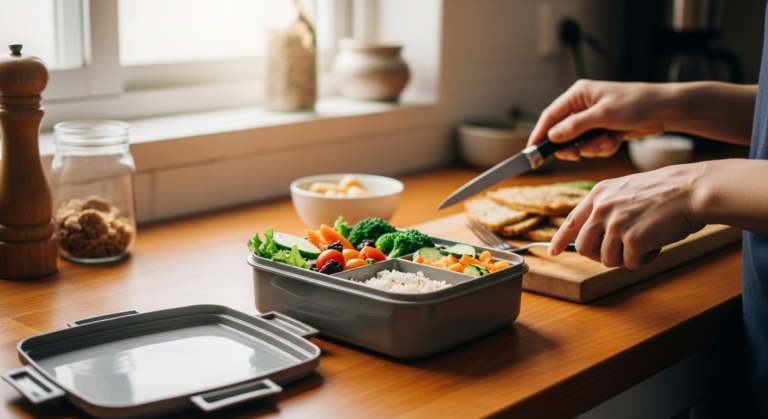
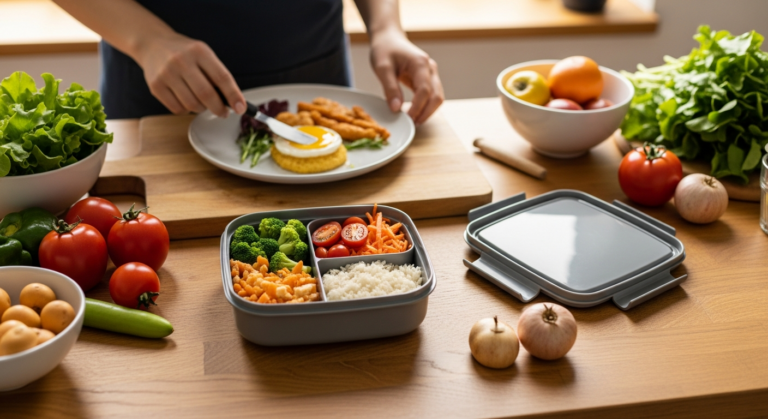
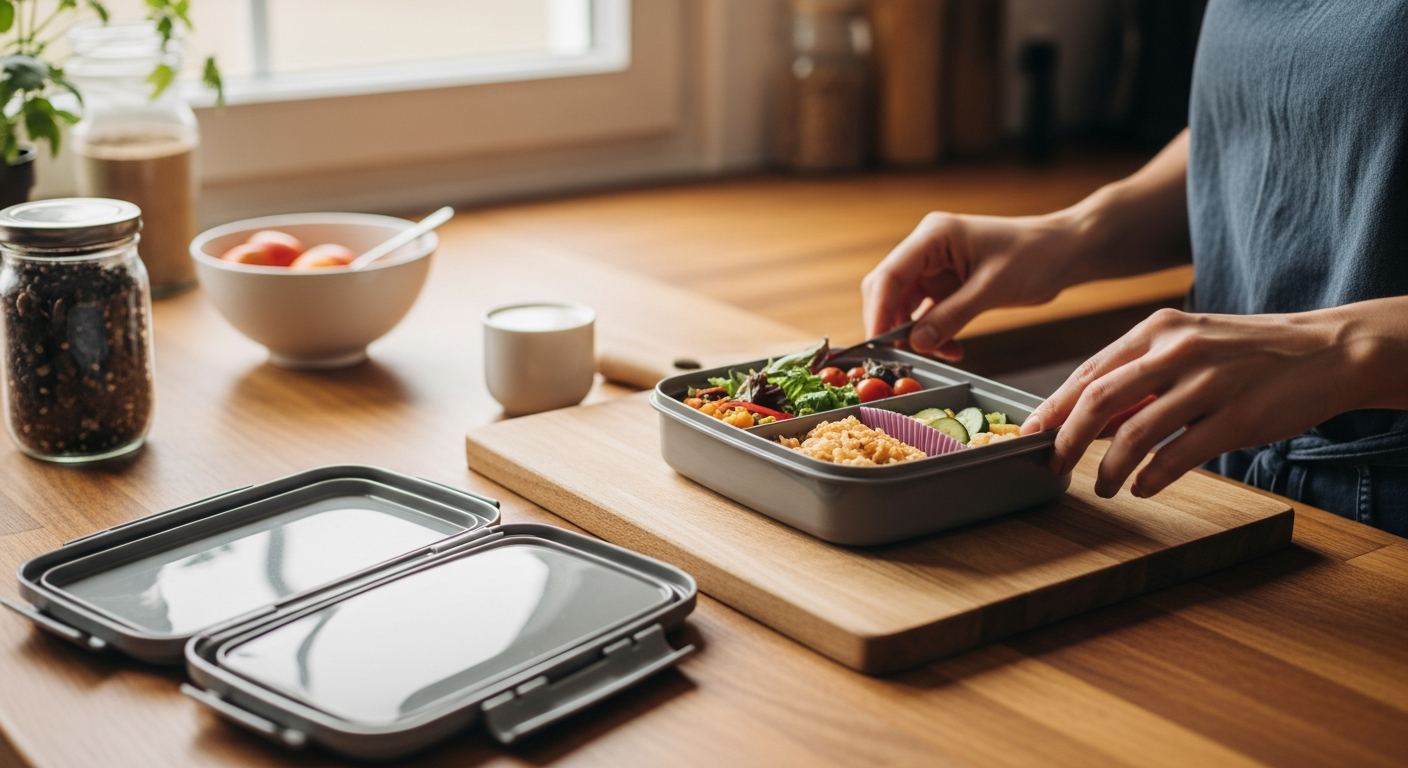
The magic happens when you break down your prep into manageable chunks that work together like a well-oiled machine. I start by pulling out all my containers—and I mean all of them. Glass containers for wet ingredients, small compartment boxes for snacks, and those trusty silicone muffin cups that keep everything from migrating around the lunchbox.
First, I tackle proteins because they take the longest and smell the most amazing while cooking. I’ll roast a whole sheet pan of chicken thighs seasoned with garlic powder, paprika, and a touch of brown sugar at 425°F for about 25 minutes. While those are cooking, I hard-boil a dozen eggs—six for lunches, six for quick breakfasts. The key with hard-boiled eggs is starting them in cold water, bringing to a rolling boil, then immediately moving the pot off heat and letting them sit for exactly 12 minutes before plunging into an ice bath.
Next comes the vegetable prep marathon. I wash and slice bell peppers into strips, cut cucumbers into rounds, and divide cherry tomatoes into small containers. Carrots get cut into sticks and stored in water to stay crispy all week. This is also when I make a big batch of hummus—just throw a can of chickpeas, two cloves of garlic, three tablespoons of tahini, the juice of one lemon, and a pinch of salt into the food processor until smooth and creamy.
Make-Ahead Mains That Actually Taste Good Cold
Let’s be honest: most leftover dinners taste pretty sad when eaten cold from a lunchbox. But there are some magical recipes that actually improve overnight, developing deeper flavors and better textures that make lunchtime something special.
Mediterranean Pasta Salad
Cook one pound of rotini pasta until just al dente, then toss while warm with olive oil, diced cucumbers, halved cherry tomatoes, crumbled feta cheese, and sliced black olives. The warm pasta absorbs the olive oil and flavors beautifully. Add fresh herbs like basil or oregano, and a squeeze of lemon juice. This makes enough for four generous lunch portions and tastes even better on day three when all the flavors have melded together.
Asian-Inspired Chicken Lettuce Wraps
Dice up that Sunday-roasted chicken and mix it with shredded carrots, diced water chestnuts for crunch, and a simple sauce made from two tablespoons soy sauce, one tablespoon rice vinegar, and a teaspoon of sesame oil. Pack the chicken mixture in one container and butter lettuce leaves in another, so kids can assemble their own wraps. The chicken mixture stays fresh for four days and the interactive element makes lunch feel like playtime.
Hearty Grain Bowls
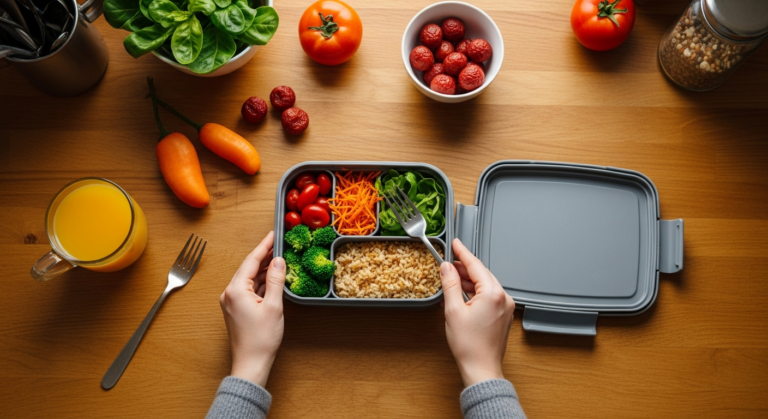
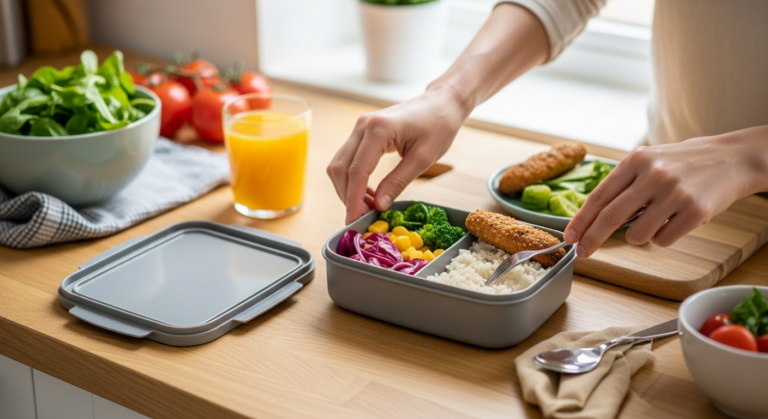
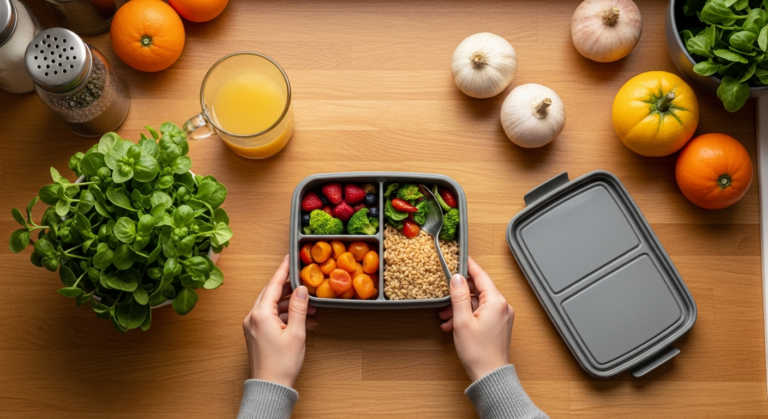
Cook a big batch of quinoa or brown rice (I make three cups of uncooked grain, which yields about six cups cooked). Divide into containers and top with different combinations throughout the week: black beans and corn with a lime-cilantro dressing, roasted sweet potato cubes with chickpeas, or shredded chicken with diced avocado and cherry tomatoes. The key is keeping wet ingredients separate until eating time to prevent soggy grains.
Snack Prep That Goes Beyond Apple Slices
While apple slices have their place, spending Sunday afternoon preparing more exciting snacks means happier kids and fewer “I’m still hungry” complaints at pickup time. The trick is balancing convenience with nutrition while keeping things interesting enough that your kids don’t get bored by Wednesday.
Energy balls are my secret weapon because they taste like treats but pack serious nutritional punch. Mix one cup of rolled oats, half a cup of peanut butter, one-third cup of honey, one-third cup of mini chocolate chips, and two tablespoons of ground flaxseed. Roll into walnut-sized balls and refrigerate until firm. These keep for a full week and provide sustained energy without the sugar crash of typical school snacks.
I also prep what I call “snack bento boxes”—small containers with three or four different items that feel special and varied. Think whole grain crackers paired with string cheese and a few grapes, or pretzels with individual hummus cups and cucumber slices. The variety prevents boredom, and portioning everything out ahead of time means no morning decision-making required.
Homemade trail mix gets customized for each kid’s preferences. I buy nuts, seeds, dried fruit, and fun additions like dark chocolate chips or yogurt-covered raisins in bulk, then create personalized mixes in mason jars. Label each jar with the child’s name and you’ve got grab-and-go snacks that feel special and personal.
Storage Solutions That Keep Food Fresh All Week
The most perfectly prepped lunch means nothing if it turns into a soggy, unappetizing mess by Tuesday. I’ve learned through trial and error (mostly error) that the right storage makes or breaks weekly meal prep success.
Glass containers are worth the investment for anything with sauce or dressing. They don’t absorb odors or stains, and they keep food at more consistent temperatures than plastic. For items like that Mediterranean pasta salad, I store them in glass containers and only transfer to lunchboxes on the morning of eating.
Silicone muffin cups are my favorite hack for keeping small snacks separate and preventing the “everything touches everything else” complaint I used to hear constantly. Use them to hold berries, nuts, crackers, or any small finger foods. They’re reusable, dishwasher-safe, and come in fun colors that make lunch feel more exciting.
Keep wet and dry ingredients separate until the last possible moment. Pack dressings and dips in small leak-proof containers, and teach older kids how to add them to their salads or cut vegetables right before eating. For younger kids, I add wet ingredients to their lunch on the morning they’ll eat it, not during Sunday prep.
Invest in ice packs that actually work. Those thin, flexible ice packs lose their cool quickly. I use hard-sided ice packs that stay frozen longer, and in hot weather, I’ll freeze a water bottle overnight to serve double duty as both drink and cooling element.
Customizing for Picky Eaters and Food Allergies
Real talk: all the beautiful meal prep in the world doesn’t matter if your child won’t actually eat what you’ve packed. I’ve learned to work with my kids’ preferences rather than against them, finding creative ways to incorporate foods they love while gradually expanding their horizons.
For the child who claims to hate vegetables, I focus on preparation methods that work. Raw carrots might be rejected, but those same carrots roasted with a little olive oil and honey until slightly caramelized often disappear completely. Cherry tomatoes get ignored, but sun-dried tomatoes mixed into pasta salad add flavor they actually request.
Build familiarity by including at least one food you know they’ll eat in every lunch. This might be their favorite crackers, a reliable piece of fruit, or that string cheese they’ve loved since toddlerhood. Having something familiar makes kids more willing to try the new or less-favored items.
For families dealing with food allergies, Sunday prep becomes even more crucial because you’re ensuring safe options are always available. I keep a dedicated cutting board and knife for allergen-free prep, and I prepare those items first to avoid any cross-contamination. Sunflower seed butter works beautifully in those energy balls if peanuts are off-limits, and coconut flour makes an excellent coating for baked chicken if gluten is a concern.
Get your kids involved in choosing their weekly lunch rotation. When they have input in the decision-making, they’re more invested in actually eating what gets packed. I let each child pick one main dish, one snack, and one treat for their weekly lineup. Sometimes their choices surprise me, and I discover they’re ready for foods I assumed they’d reject.
Budget-Friendly Strategies That Don’t Sacrifice Quality
Weekly lunchbox prep can actually save money when you’re strategic about it, but it requires some planning and smart shopping. The key is buying ingredients that can multitask across different meals and snacks, rather than purchasing single-use items that cost more per serving.
Buy proteins in larger quantities when they’re on sale, then portion and freeze what you won’t use immediately. That family pack of chicken thighs costs less per pound, and you can roast half for this week’s lunches while freezing the remainder for next week’s dinner. The same principle applies to ground turkey, which can become both lunch-worthy meatballs and dinner’s taco filling.
Seasonal produce offers the best bang for your buck and peak flavor. In fall, apples and pears are abundant and affordable. Winter brings cheaper citrus fruits perfect for adding to water bottles or mixing into salads. Spring and summer expand your fresh vegetable options without breaking the budget.
Make your own versions of expensive packaged snacks. Those individual hummus cups cost about four times more than making your own and portioning into small containers. Homemade granola bars require just oats, honey, peanut butter, and whatever add-ins you have on hand, but they taste infinitely better than store-bought versions loaded with preservatives.
Shop your pantry first before heading to the store. That half-empty container of quinoa can become the base for grain bowls. Canned beans can transform into protein-rich salads or get mashed into sandwich spreads. Getting creative with what you already have often leads to discovering new family favorites while keeping grocery costs down.
Mama Munch
Mama Munch is a food-obsessed parent of two who believes every family deserves simple, nutritious meals — even on the busiest weeknights. With a background in nutrition education and years of navigating picky eaters, allergies, and toddler taste buds, she creates practical recipes and meal strategies that actually work for real families.