Freezer Meal Prep: Stock Your Freezer in One Day
Learn a complete system to stock your freezer with a month's worth of meals in one day, focusing on smart ingredient prep, strategic recipes, and proper storage. You'll discover foolproof shopping strategies and specific dishes that freeze beautifully.
- Develop a strategic shopping list for multi-use ingredients.
- Front-load your prep by washing and chopping vegetables in bulk.
- Use heavy-duty freezer bags (flat-pack) and aluminum pans for optimal storage.
- Select recipes with ingredients that freeze and reheat well, like chicken thighs.
This post contains affiliate links. As an Amazon Associate I earn from qualifying purchases.
The freezer door slams shut with a satisfying thud, and I lean against it with the biggest grin on my face. Inside that icy wonderland are twenty-eight individually labeled meals, enough to feed my family of four for an entire month. Just twelve hours ago, my freezer contained nothing but a bag of frozen peas and some questionable leftover birthday cake.
This magical transformation didn’t happen by accident – it was the result of one incredibly productive Saturday that I’ve come to call my “Freezer Stock Day.” I know what you’re thinking: preparing nearly thirty meals in a single day sounds impossible, especially when you’re already juggling soccer practice, laundry mountains, and that work presentation due Monday. But here’s the secret I’ve learned after years of trial and error: it’s not about cooking thirty separate meals. It’s about smart ingredient prep, strategic recipe selection, and understanding which dishes freeze beautifully and which ones turn into mushy disappointments.
Today I’m sharing my complete system for transforming one day of focused effort into weeks of dinner solutions. From my foolproof shopping strategy to the specific recipes that have saved my sanity on countless busy weeknights, you’ll have everything you need to stock your own freezer fortress.
In this article (6 sections)
The Strategic Shopping List: Your Foundation for Success
Your freezer meal prep day begins at the grocery store, and walking in without a strategic plan is like trying to build a house without blueprints. I learned this lesson the hard way during my first attempt, when I spent $200 on random ingredients that resulted in only eight meals and a whole lot of food waste.
The key is choosing ingredients that pull double or triple duty across multiple recipes. Ground beef anchors at least six different meal types in my rotation: classic meatballs that work in marinara or Swedish cream sauce, seasoned taco meat that transforms into burritos or casseroles, and burger patties that can become anything from traditional burgers to salisbury steak. I typically buy ten pounds of 85/15 ground beef, which sounds excessive until you realize it’s going to stretch across twenty-plus servings.
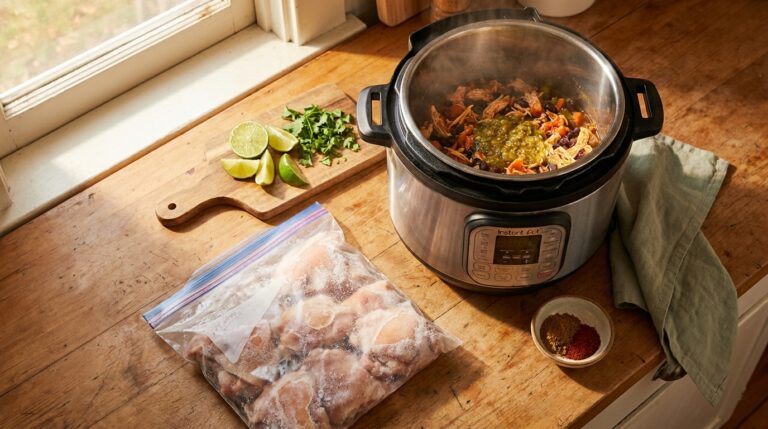
Chicken thighs are my other protein powerhouse because they stay tender and juicy even after freezing and reheating – something chicken breasts struggle with. Eight pounds of bone-in thighs become Mediterranean chicken with olives and tomatoes, honey garlic chicken that my kids devour, and shredded chicken for tacos, soups, and casseroles. The bones add incredible flavor during the initial cooking process, and boneless thighs cost significantly more for what amounts to five minutes of knife work.
For vegetables, I focus on sturdy options that maintain their texture after freezing: bell peppers, onions, carrots, celery, and broccoli. I buy these in bulk and spend the first hour of prep day washing, chopping, and portioning them into meal-specific containers. This front-loaded prep work means I’m not stopping to dice onions between every recipe later in the day.
Essential Equipment and Container Strategy
The difference between freezer meal success and failure often comes down to proper storage, and I learned this through some expensive mistakes. Those gorgeous glass containers I initially invested in? They cracked in the freezer and took up way too much space. Thin plastic containers became brittle and cracked after a few freeze-thaw cycles, leading to freezer-burned disasters.
Now I swear by heavy-duty freezer bags for most meals, especially saucy dishes and marinated proteins. The key is using the flat-packing method: fill the bag, seal it almost completely, press out excess air, finish sealing, then lay flat on a baking sheet to freeze. Once solid, these bags stack like books on a shelf, maximizing your freezer space and making it easy to see everything at a glance.
For casseroles and structured dishes, disposable aluminum pans are worth their weight in gold. I line them with parchment paper for easy removal and buy them in bulk from restaurant supply stores. The 8×8 size feeds my family of four with perfect leftovers for lunch, while 9×13 pans handle larger gatherings or provide multiple meals for smaller families.
Vacuum sealing takes your freezer meal game to the next level, especially for proteins and items you plan to store for more than two months. My vacuum sealer paid for itself within six months through reduced food waste alone. For families without this equipment, the ziplock water displacement method works wonderfully – just submerge the nearly-sealed bag in water to push out air before completing the seal.
The Power Recipes: Maximum Impact, Minimum Effort
Make-Ahead Meatball Base
This single recipe creates the foundation for four different family meals, and the beauty lies in its versatility. Combine three pounds of ground beef, one pound of ground pork, two eggs, one cup of panko breadcrumbs, half a cup of grated parmesan, and minced garlic with salt and pepper. The mixture should feel slightly sticky but hold together when rolled.
Instead of cooking these immediately, I portion them into different flavor profiles before freezing. One batch gets Italian seasoning and will become spaghetti and meatballs. Another gets a blend of allspice and nutmeg for Swedish meatballs in cream sauce. The third batch receives taco seasoning and becomes Mexican meatball soup, while the fourth stays neutral for versatility.
Roll each seasoned batch into uniform balls – I use a small cookie scoop for consistency – and flash freeze on parchment-lined baking sheets. Once solid, transfer to labeled freezer bags with cooking instructions. From freezer to table, these cook in twenty minutes in a 375-degree oven, and the house smells absolutely incredible.
Slow Cooker Chicken Packets
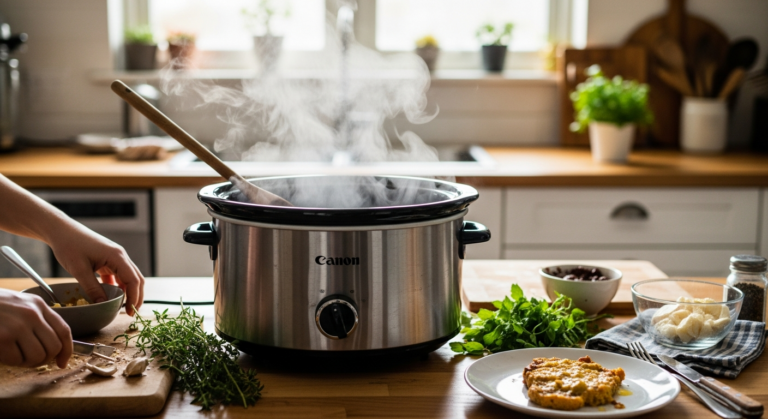
This method transforms eight pounds of chicken thighs into six complete meals with minimal active cooking time. The secret is creating flavor-specific marinades that do all the work while the chicken freezes, essentially curing and pre-seasoning the meat.
For honey garlic chicken, whisk together half a cup each of honey and soy sauce, four minced garlic cloves, two tablespoons of rice vinegar, and a teaspoon of ground ginger. This coating caramelizes beautifully in the slow cooker and creates a sauce that even vegetable-resistant kids will use to dunk their broccoli.
The Mediterranean version combines olive oil, lemon juice, oregano, rosemary, and plenty of garlic with kalamata olives and sun-dried tomatoes. After eight hours in the freezer, these flavors penetrate completely through the meat, creating restaurant-quality results in your slow cooker.
Each packet contains enough chicken for four generous servings plus deliberate leftovers for lunch containers or quick quesadillas. The cooking method remains consistent – four to six hours on low – but the flavor profiles keep family meals interesting for weeks.
Casserole Assembly Line: Comfort Food Made Simple
Casseroles are the workhorses of freezer meal prep because they’re forgiving, customizable, and reheat beautifully. My assembly line approach cranks out multiple casseroles simultaneously, using shared ingredients across different recipes to minimize waste and maximize efficiency.
Start with your starch bases: cook three cups each of rice, egg noodles, and pasta shells simultaneously. While those boil, brown your proteins and sauté vegetables. This parallel processing saves enormous amounts of time and keeps your momentum going throughout the prep day.
My go-to King Ranch Chicken uses the cooked chicken, corn tortillas layered like lasagna noodles, a mixture of cream of mushroom soup and diced tomatoes with green chiles, plus generous amounts of cheese. The beauty of this dish is its flexibility – substitute the chicken with leftover turkey, swap corn tortillas for flour, or add black beans for extra protein and fiber.
Broccoli rice casserole follows a similar template but combines the cooked rice with frozen broccoli, cream of mushroom soup, shredded cheddar, and a crunchy breadcrumb topping made from crushed crackers mixed with melted butter. This vegetable-forward option satisfies even dedicated carnivores and provides a lighter option for busy weeknights.
The assembly process becomes almost meditative: line up your prepared pans, establish stations for each component, and work methodically through each recipe. Label everything immediately – trust me, frozen casseroles all look surprisingly similar, and trying to identify mystery dishes later leads to dinner roulette nobody wants to play.
Breakfast and Lunch Solutions: Beyond Dinner
Focusing solely on dinner meals misses huge opportunities to simplify your entire week, especially those chaotic school mornings when everyone needs to eat something nutritious before rushing out the door. Breakfast burritos solve this problem elegantly and freeze exceptionally well.
Scramble two dozen eggs with salt and pepper, keeping them slightly underdone since they’ll finish cooking during reheating. Cook two pounds of breakfast sausage or bacon, and prepare hash browns according to package directions. The assembly process moves quickly: flour tortilla, layer of eggs, sprinkle of cheese, portion of meat, spoonful of hash browns, then wrap tightly in aluminum foil.
These individually wrapped bundles stack neatly in gallon freezer bags and reheat perfectly in the microwave – just remove the foil and wrap in a damp paper towel for two minutes. My teenagers can grab these on their way to early morning practices, and I never worry about them skipping breakfast.
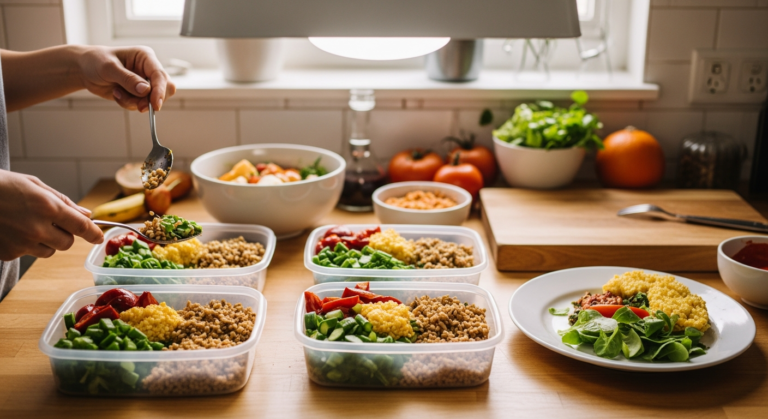
Lunch solutions often get overlooked in meal prep, but having options beyond sad desk salads makes weekdays significantly easier. I prepare components for power bowls: cooked quinoa, roasted vegetables, grilled chicken portions, and homemade dressing frozen in ice cube trays for perfect single-serving portions.
Soup becomes another lunch hero, especially during colder months. A double batch of vegetable lentil soup uses those bulk vegetables from your prep work, provides plant-based protein, and costs pennies per serving. Freeze in individual containers for grab-and-go lunches that actually taste better than most restaurant options.
Labeling, Storage, and Rotation Systems
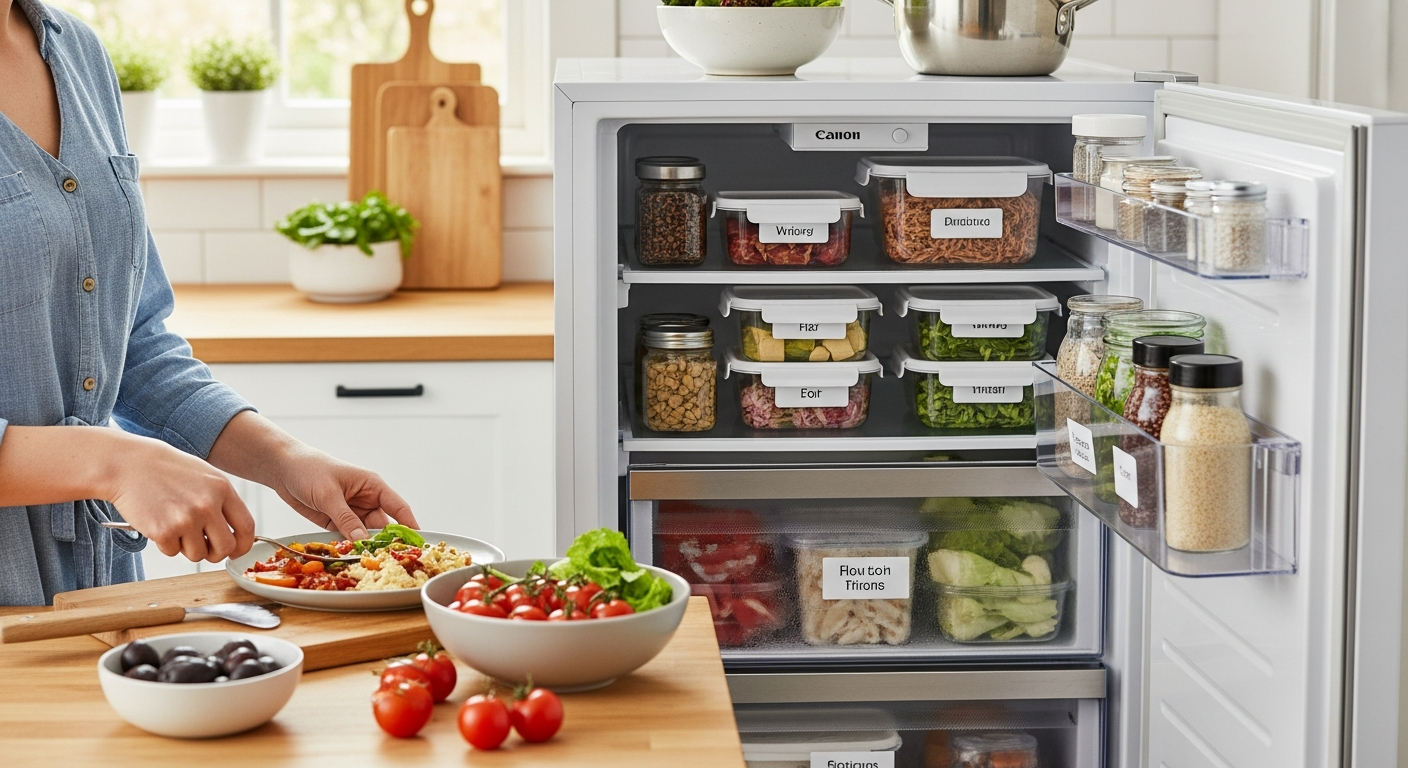
Even the most beautifully prepared freezer meals become useless if you can’t find them, identify them, or remember how to cook them six weeks later. My labeling system has evolved through years of trial and error, and it now includes three critical pieces of information: the dish name, freeze date, and reheating instructions.
I use a label maker for durability, but heavy-duty masking tape and a permanent marker work perfectly well. The key is consistency – establish a format and stick with it religiously. My labels read “Honey Garlic Chicken – 10/15/23 – Slow cooker 6 hrs low” or “Broccoli Rice Casserole – 10/15/23 – 350° covered 45 min, uncover 15 min.”
Organization within your freezer makes the difference between a system that serves you and one that creates additional stress. I designate specific areas for different meal types: breakfast items in the door, lunch options on the top shelf, dinner casseroles in the main compartment, and bulk proteins in the bottom drawer.
The rotation system prevents waste and ensures you’re eating meals at their peak quality. Most properly packaged meals maintain excellent quality for three months, but I aim to use everything within six to eight weeks. A simple inventory list on the freezer door helps track what you have and plan weekly menus accordingly.
Remember that your first freezer meal prep day won’t be perfect, and that’s completely normal. Start with a smaller goal – maybe ten meals instead of thirty – and build your confidence and systems gradually. The investment of one focused day pays dividends for weeks afterward, transforming those overwhelming “what’s for dinner” moments into simple decisions from your personal frozen meal selection.
Mama Munch
Mama Munch is a food-obsessed parent of two who believes every family deserves simple, nutritious meals — even on the busiest weeknights. With a background in nutrition education and years of navigating picky eaters, allergies, and toddler taste buds, she creates practical recipes and meal strategies that actually work for real families.