Texture Troubles: Helping Kids Who Struggle with Food Textures
Learn practical strategies to help your child with food texture sensitivities. You'll discover how to identify their specific aversions and use gentle exposure, like deconstructed meals, to expand their comfort zone.
- Understand your child's specific texture sensitivities.
- Use gentle, pressure-free exposure at mealtimes.
- Try 'bridge building' by gradually altering familiar foods.
- Offer deconstructed meals, separating components for control.
This post contains affiliate links. As an Amazon Associate I earn from qualifying purchases.
The green bean bounces off my seven-year-old’s plate and lands with a tiny thud on the kitchen floor. “It’s slimy!” she wails, her face contorting as if I’d just served her a bowl of earthworms. Meanwhile, her older brother sits contentedly munching the exact same steamed vegetables, completely oblivious to the texture drama unfolding beside him.
If this scene feels familiar, you’re definitely not alone. Food texture sensitivity affects roughly 20% of children, ranging from mild preferences to more significant challenges that can make mealtimes feel like navigating a minefield. Some kids gag at anything mushy, others refuse foods with “bits” in them, and many won’t touch anything that looks wet or saucy.
The good news? There are countless practical strategies to help texture-sensitive kids expand their food comfort zone without turning dinner into a battle royale. With patience, creativity, and the right techniques, you can gradually introduce new textures while respecting your child’s sensitivities and keeping mealtimes enjoyable for everyone.
In this article (5 sections)
Understanding Different Texture Sensitivities
Not all texture troubles are created equal, and understanding your child’s specific sensitivities is the first step toward finding solutions that actually work. Some children are hyper-sensitive to textures, experiencing genuine physical discomfort or even gagging when encountering certain foods. Others are under-sensitive and crave intense textures like crunchy, chewy, or spicy foods.
The most common texture aversions I see in my own kitchen and hear about from readers include slimy foods like cooked tomatoes or okra, mixed textures like yogurt with fruit chunks, wet foods like saucy pasta dishes, and foods with unpredictable textures like ground meat with its varying bits of fat and protein. Many kids also struggle with foods that change texture as you chew them – think about how a crispy apple becomes soft and pulpy, or how bread gets soggy when it hits saliva.
Temperature can play a huge role too. Cold, smooth textures like ice cream might be perfectly acceptable while warm, smooth textures like oatmeal trigger immediate rejection. I’ve learned to pay attention to these patterns because they give me clues about which modifications might help. For instance, if my daughter loves cold applesauce but rejects warm applesauce, I know temperature is a key factor in her acceptance.
Gentle Exposure Strategies That Actually Work
The key to helping texture-sensitive kids lies in gradual, pressure-free exposure rather than forcing them to eat challenging foods. Start by having the rejected food present at meals without any expectation that your child will eat it. This might mean putting a tiny portion of mashed sweet potato on their plate alongside their accepted foods for several meals in a row.
Bridge building works beautifully for many families. If your child loves smooth peanut butter but refuses chunky, try stirring a few finely chopped peanuts into their familiar smooth version. Gradually increase the amount and size of the pieces over weeks or even months. For kids who accept crunchy foods but reject soft ones, try serving roasted chickpeas alongside their regular crackers, or baked zucchini chips next to their beloved potato chips.
The “Deconstructed Meal” Approach
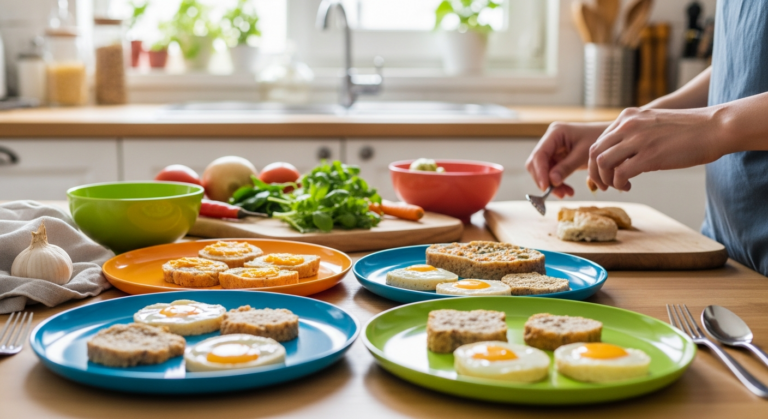
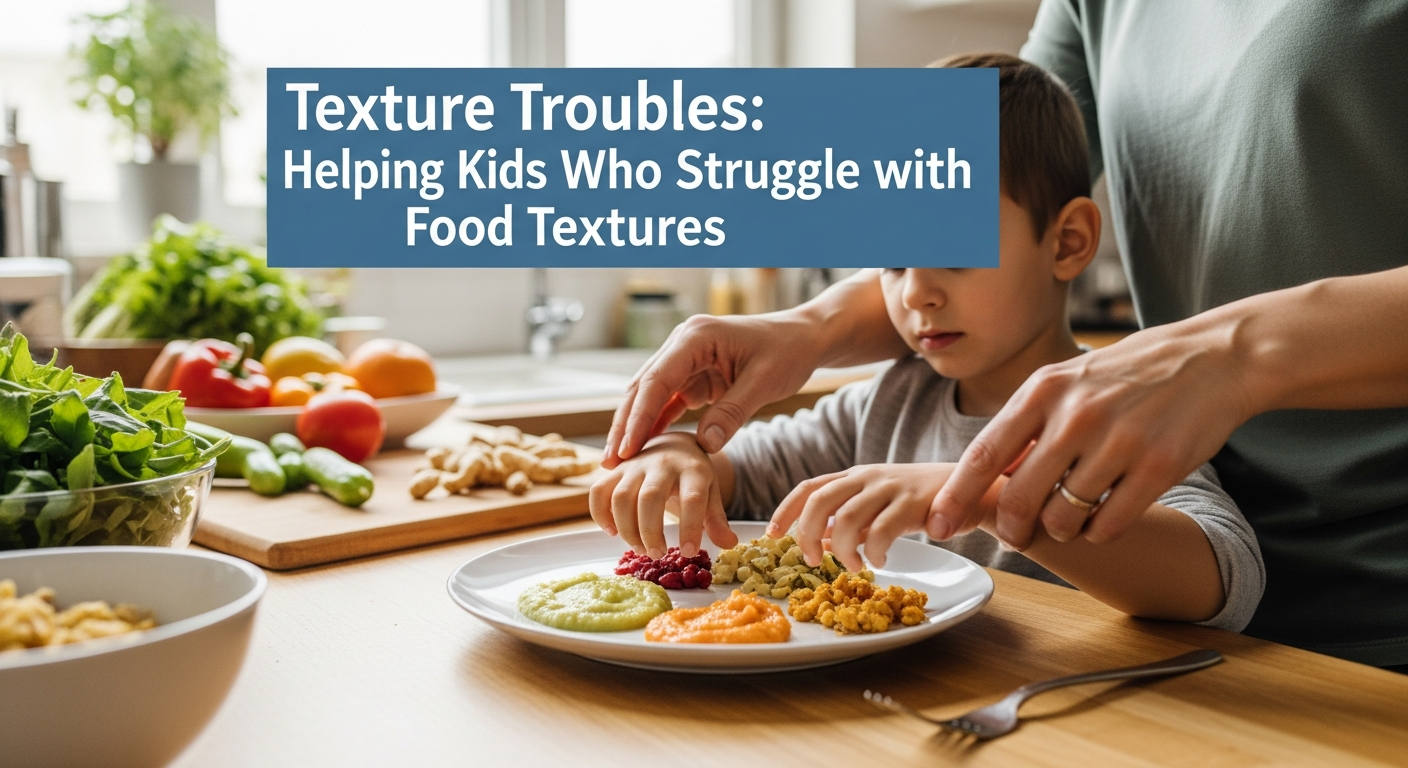
Instead of serving mixed-texture dishes that overwhelm sensitive kids, offer components separately so they can control their experience. Rather than chicken and rice casserole, serve plain baked chicken breast, steamed rice, and roasted vegetables in separate portions. This allows your child to eat the textures they’re comfortable with while getting used to seeing – and eventually trying – the challenging ones.
For pasta dishes, cook the noodles separately from sauce and let kids add their own. Some might start with completely plain noodles, others might accept a light drizzle of olive oil, and eventually some may graduate to small amounts of smooth marinara. The same principle works for tacos, sandwiches, and stir-fries – serve components separately and let kids build their own comfort level.
Texture-Modified Recipes That Maintain Nutrition
Modifying textures doesn’t mean sacrificing nutrition or flavor. Hidden vegetable purees work wonderfully for many texture-sensitive kids. I blend cooked carrots, sweet potatoes, or butternut squash into smooth pasta sauces, adding a full cup of pureed vegetables to every batch of marinara without changing the familiar smooth texture kids expect.
For kids who struggle with ground meat textures, try finely minced chicken or turkey processed until it’s almost paste-like, then formed into small meatballs and baked at 375°F for 18-20 minutes. These come out with a smooth, uniform texture that’s much more predictable than regular ground meat. You can also pulse cooked chicken breast in a food processor with a splash of chicken broth to create a smooth, spreadable texture that works perfectly in sandwiches or wraps.
Smoothie Solutions for Produce-Averse Kids
Smoothies offer an excellent way to introduce fruit and vegetable nutrition in a completely smooth, predictable texture. Start with familiar flavors like strawberry-banana, using one cup frozen strawberries, half a banana, and one cup vanilla yogurt blended until completely smooth. Once this becomes accepted, gradually add spinach (start with just a few leaves), which barely changes the taste but adds valuable nutrients.
For kids who reject chunks or seeds, strain smoothies through a fine-mesh sieve before serving. Frozen mango chunks, half a banana, and coconut milk create a creamy, tropical smoothie that masks the taste of added vegetables like cauliflower or white beans. These protein and fiber additions boost nutrition without compromising the smooth texture that sensitive kids need.
Creative Presentation and Preparation Techniques
Sometimes the solution lies not in changing the food itself, but in how we present and prepare it. Cookie cutters transform regular sandwiches into fun shapes that distract from texture concerns, while food picks and colorful plates make eating feel more like play than work. I’ve found that giving kids control over preparation often reduces their anxiety about unfamiliar textures.
Involve texture-sensitive kids in cooking whenever possible, but focus on techniques that create their preferred textures. Let them help blend smoothies, mix batters for pancakes, or roll dough for homemade crackers. The tactile experience of food preparation often translates to increased willingness to try the finished product, especially when they’ve had control over the process.
Temperature and Timing Tricks
Many texture issues become more manageable when temperature and timing are optimized. Serve temperature-sensitive foods at their preferred warmth level – some kids need foods slightly cooled from cooking temperature, while others prefer room temperature or even chilled versions. Leftover roasted vegetables often have a different, more acceptable texture the next day when served cold or reheated gently.
Timing matters too. Serve crispy foods immediately after cooking to maintain their crunch, but let foods with challenging textures sit for a few minutes to reach optimal temperature and consistency. Fresh fruit that’s too soft might be rejected, but the same fruit served slightly chilled and firmer could be perfectly acceptable.
Building a Texture-Friendly Family Menu
Creating weekly menus that accommodate texture sensitivities while still offering variety requires some strategic planning, but it’s absolutely doable. I aim for one completely safe meal per day – something I know my texture-sensitive child will eat without stress – balanced with meals that offer gentle challenges and familiar foods in new preparations.
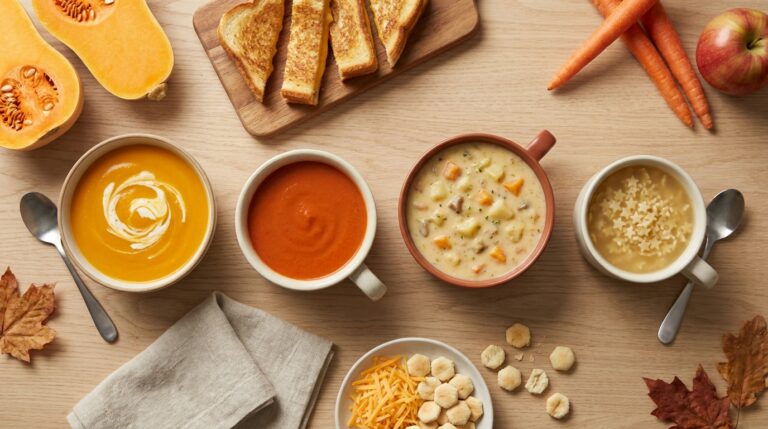
Monday might feature their beloved grilled cheese with smooth tomato soup, while Tuesday offers baked chicken breast (accepted texture) with a side of their familiar steamed carrots plus a small portion of roasted carrots for gentle exposure to a slightly different preparation of the same vegetable. Wednesday could be pasta night with sauce served on the side, allowing each child to control their own texture experience.
Batch cooking becomes essential for managing texture modifications efficiently. I prepare large batches of pureed vegetables to freeze in ice cube trays, blend and freeze smoothie packs with pre-measured fruits and vegetables, and cook grains and proteins in bulk so they can be served in various textures throughout the week. Cooked rice can be served as-is, blended into a smoother consistency with broth, or formed into crispy rice cakes depending on each child’s preferences and comfort level.
Emergency Backup Plans
Every texture-sensitive family needs reliable backup options for particularly challenging days or when introducing new foods doesn’t go as planned. Keep a running list of completely accepted foods that require minimal preparation – things like specific brands of crackers, particular fruits prepared in familiar ways, or simple proteins cooked to your child’s exact preferences.
Stock your pantry with ingredients for quick, accepted meals: pasta shapes your child likes, smooth nut or seed butters, familiar crackers, and frozen fruits for smoothies. Having these readily available removes the pressure from experimental meals and ensures that your child won’t go hungry if texture challenges arise unexpectedly. Remember, some progress days are followed by regression days, and that’s completely normal in the journey toward texture acceptance.
Mama Munch
Mama Munch is a food-obsessed parent of two who believes every family deserves simple, nutritious meals — even on the busiest weeknights. With a background in nutrition education and years of navigating picky eaters, allergies, and toddler taste buds, she creates practical recipes and meal strategies that actually work for real families.