Managing Multiple Food Allergies at Mealtime
The smoke alarm wasn’t going off because of burnt toast this time—it was my daughter’s EpiPen trainer hitting the kitchen counter as I frantically read ingredient labels at 6:47 AM. With eggs, dairy, tree nuts, and soy all off-limits in our house, what seemed like a simple Tuesday morning breakfast had turned into a detective mission worthy of Sherlock Holmes.
If you’re managing multiple food allergies in your household, you know that mealtime isn’t just about getting food on the table—it’s about creating a safe harbor where everyone can eat without fear. After three years of navigating my daughter’s four major allergens plus my son’s shellfish allergy, I’ve learned that successful allergy-friendly meal planning is part science, part art, and part really good organizational skills.
The truth is, feeding a family with multiple food allergies doesn’t have to mean surviving on plain rice and chicken every night (though we’ve definitely been there). With the right strategies, ingredient swaps, and a well-stocked pantry, you can create meals that are both safe and satisfying for everyone at your table.
Building Your Allergy-Safe Kitchen Foundation
The secret to stress-free allergy cooking starts with your pantry setup. I keep three distinct zones in my kitchen: the “safe zone” where all our family-friendly ingredients live, a locked cabinet for allergen-containing foods that other family members might eat occasionally, and clearly labeled storage containers that prevent any cross-contamination confusion.
My safe zone staples include coconut flour and almond flour alternatives (if tree nuts aren’t an issue), oat flour that I make by grinding certified gluten-free oats, and coconut milk as my go-to dairy replacement. For protein, I stock up on safe meats, beans, and seeds like sunflower seeds and pumpkin seeds which work beautifully in everything from homemade granola to coating for chicken tenders.
One game-changing discovery has been keeping pre-made allergy-friendly sauces and dressings on hand. My homemade “everything sauce” combines coconut aminos (soy sauce substitute), rice vinegar, garlic powder, and a touch of maple syrup. I make a big batch every two weeks and store it in squeeze bottles—it transforms plain roasted vegetables or grilled chicken into something the kids actually get excited about.
For baking emergencies, I maintain a pre-mixed flour blend that works in most recipes: 2 cups rice flour, 1 cup tapioca starch, and ½ cup coconut flour. This combination gives you that tender crumb texture without the grittiness that some alternative flours can have. Store it in an airtight container and you’re always thirty minutes away from safe muffins or pancakes.
Meal Planning Strategies That Actually Work
Sunday afternoon meal planning in our house looks different than most families’, but it’s become our secret weapon for the week ahead. I start by choosing one “base” safe protein that can be prepared multiple ways—like a whole roasted chicken that becomes Monday’s dinner, Tuesday’s chicken salad (made with safe mayo alternatives), and Wednesday’s soup stock.
My weekly planning revolves around what I call “flexible foundations”—dishes where the base is safe and family members can add their own toppings or sides. Taco night works perfectly this way: seasoned ground turkey, corn tortillas (checking labels carefully for processing facilities), and an array of safe toppings like diced tomatoes, lettuce, avocado, and dairy-free cheese for those who need it.
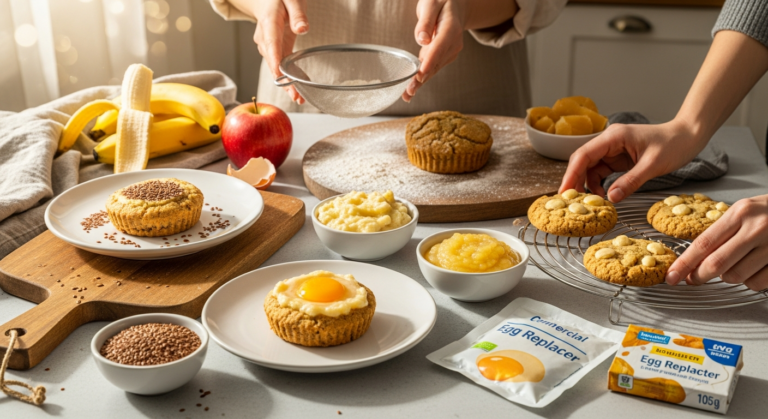
I’ve learned to double every safe recipe I make. When I’m preparing my dairy-free, egg-free banana muffins (using ground flax mixed with water as an egg substitute and coconut oil instead of butter), I make two dozen instead of twelve. Half go in the freezer wrapped individually—perfect for those chaotic mornings when you need to grab breakfast and run.
The Power of Batch Cooking
Every other weekend, I dedicate two hours to preparing components that make weeknight cooking faster. I’ll roast a big sheet pan of safe vegetables—carrots, sweet potatoes, and broccoli—with olive oil and herbs. These become sides for dinner, additions to grain bowls, or even breakfast hash when mixed with safe sausage and topped with avocado.
Soup is your friend when managing multiple allergies. My go-to “clean out the fridge” vegetable soup starts with sautéed onions and garlic, whatever safe vegetables need to be used up, and vegetable or chicken broth that I’ve verified is free from all our allergens. Season with salt, pepper, and dried herbs, then let it simmer for 45 minutes until everything is tender. The kids love it with safe crackers, and it freezes beautifully in individual portions.
Creative Recipe Modifications and Substitutions
Learning to modify recipes has become second nature, but it took some trial and error to get the ratios right. For egg substitutions in baking, I use different alternatives depending on the recipe’s needs: ground flax with water for binding in muffins and quick breads, aquafaba (the liquid from canned chickpeas) for items that need lift like pancakes, and commercial egg replacers for cookies where texture matters most.
Dairy substitutions go far beyond just swapping milk. In creamy pasta dishes, I blend cashews (if tree nuts are safe) with water and nutritional yeast for a rich, cheese-like sauce. For families avoiding tree nuts, sunflower seed butter creates surprisingly creamy sauces when thinned with safe milk alternatives and seasoned well.
One of our family’s favorite modified recipes is what we call “hidden veggie pasta sauce.” I sauté diced onions, carrots, and bell peppers until soft, add crushed tomatoes, Italian seasoning, and a secret ingredient—pureed white beans that add creaminess without any allergens. It simmers for 20 minutes and creates a sauce so rich and satisfying that no one misses the dairy that would typically be in a creamy tomato sauce.
Baking Without Common Allergens
Allergy-friendly baking requires understanding how different ingredients behave. My chocolate chip cookies (using dairy-free chocolate chips and sunflower seed butter instead of peanut butter) actually improve when chilled overnight before baking—the alternative flours hydrate and create better texture. Bake them at 350°F for 10-12 minutes until the edges are just set but centers still look slightly underdone.
For birthday cakes and special occasions, I’ve perfected a vanilla cake recipe using coconut milk, apple cider vinegar (which reacts with baking soda for lift), and vanilla extract. The cake stays moist for days and nobody can tell it’s missing eggs and dairy. I frost it with a simple powdered sugar and coconut milk glaze that hardens slightly as it sets, creating that bakery-style finish kids love.
Navigating Social Situations and School Lunches
Pack-ahead lunches require extra creativity when multiple allergens are involved. My kids’ lunch boxes always include one familiar safe item (their comfort food), one protein, one fruit or vegetable they enjoy, and one “fun” element like safe crackers or a homemade treat.
Sunflower seed butter and jelly sandwiches on safe bread became our peanut butter substitute, but I learned to make them more appealing by cutting them into fun shapes or adding sliced bananas. I pack everything in separate containers to prevent sogginess and include an ice pack to maintain food safety.
For school parties and playdates, I always send safe alternatives that look similar to what other kids are having. When everyone else has pizza, I send a pita bread topped with safe tomato sauce and dairy-free cheese that I’ve pre-baked at home. Mini muffins travel better than large ones and feel more special—I bake them in colorful silicone cups that make them look festive.
Communication with other parents has become an art form. I provide simple lists of safe snacks and always offer to send food along rather than expecting others to accommodate our restrictions. Most parents are grateful for the guidance, and I’ve found that being proactive and positive makes social situations much smoother for everyone involved.
Emergency Preparedness and Quick Meal Solutions
Those nights when planning falls apart require a well-stocked emergency meal arsenal. I keep individual portions of safe soup in the freezer, pre-cooked rice in the refrigerator, and ingredients for “pantry pasta” always available—olive oil, garlic, safe vegetables, and herbs that come together in fifteen minutes.
My quickest dinner solution combines pre-cooked safe sausage, frozen vegetables that I know are processed safely, and rice or safe pasta. Everything goes in one skillet with olive oil, garlic, and Italian seasoning. From start to finish, it takes twelve minutes and creates a complete meal that satisfies everyone.
For true emergencies, I maintain a list of nearby restaurants that can safely accommodate our allergies, complete with specific menu items we’ve successfully ordered before. Having this information readily available eliminates the stress of trying to research options when you’re already overwhelmed.
Building Confidence in Your Children
Teaching kids to advocate for themselves starts early in our house. My eight-year-old can recite her allergies clearly and knows to always ask before accepting food from others. We practice scenarios at home—what to say at birthday parties, how to politely decline unsafe foods, and when to ask for help reading labels.
I involve the kids in cooking as much as possible, not just because it’s fun, but because understanding how food is prepared makes them more confident navigating their restrictions. They help wash vegetables, measure safe ingredients, and taste-test new recipes. When they understand why we check every label and how we modify recipes, they become partners in their own safety rather than passive recipients of restrictions.
Managing multiple food allergies at mealtime will always require extra planning and vigilance, but it doesn’t have to define your family’s relationship with food. With time, the right strategies, and a pantry full of trusted ingredients, you can create meals that bring your family together around the table safely and joyfully—and that’s exactly what mealtimes should be about.