Gluten-Free Family Meals Everyone Will Enjoy
The kitchen timer buzzed just as my youngest walked through the door, flour dusted across my apron and three different mixing bowls scattered across the counter. “What smells so good, Mom?” she asked, completely unaware that the golden-brown chicken tenders cooling on the rack were made with almond flour instead of regular wheat flour. That moment—watching her grab two pieces before I could even plate them properly—reminded me why I fell in love with gluten-free cooking in the first place.
When our family first went gluten-free three years ago, I thought I’d be sentenced to a lifetime of expensive specialty products and disappointed faces around the dinner table. Instead, I discovered something incredible: gluten-free cooking forced me to become more creative, more intentional about flavors, and surprisingly, it brought our family closer to whole foods than we’d ever been before. The key wasn’t trying to replicate our old favorites exactly, but finding new favorites that happened to be naturally gluten-free or adapting recipes in ways that actually improved them.
The real game-changer came when I stopped thinking about what we couldn’t eat and started focusing on the incredible variety of naturally gluten-free ingredients that could transform our weeknight dinners. Rice noodles that cook in just four minutes, quinoa that adds a satisfying pop to casseroles, and corn tortillas that crisp up beautifully in a dry skillet became the foundation of meals that had everyone asking for seconds.
Breakfast Solutions That Start the Day Right
Morning chaos doesn’t pause for dietary restrictions, which is why I keep my freezer stocked with make-ahead breakfast options that reheat in under two minutes. My overnight oats recipe using certified gluten-free oats has become our family’s weekday lifesaver—I prep five jars every Sunday evening with different flavor combinations.
The base recipe couldn’t be simpler: half a cup of gluten-free rolled oats, half a cup of milk (dairy or non-dairy), one tablespoon of chia seeds, and a drizzle of maple syrup in each mason jar. Then comes the fun part—Monday gets mashed banana and cinnamon, Tuesday gets cocoa powder and a handful of mini chocolate chips, Wednesday features fresh berries and a spoonful of almond butter. The oats absorb all the flavors overnight, creating a creamy, satisfying breakfast that feels like dessert but keeps everyone full until lunch.
For weekend mornings when we have more time, my gluten-free pancakes using a blend of almond flour and tapioca starch create the fluffiest texture you can imagine. The secret is letting the batter rest for ten minutes before cooking—the tapioca starch needs time to hydrate, and this step transforms dense, gritty pancakes into golden beauties that rival any traditional recipe. I make double batches and freeze the extras between sheets of parchment paper. Pop them in the toaster on busy mornings for an instant weekend feeling.
Quick Breakfast Solutions
- Smoothie bowls topped with gluten-free granola and fresh fruit take three minutes to blend and provide endless customization options for picky eaters
- Rice cakes topped with avocado, everything bagel seasoning, and a drizzle of hot sauce satisfy teenagers who need substantial fuel for their day
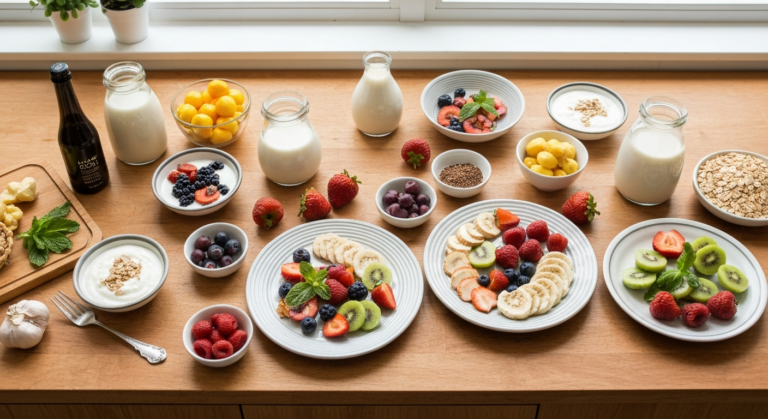
- Yogurt parfaits layered with homemade granola made from gluten-free oats, nuts, and seeds store beautifully in the refrigerator for up to four days
Lunch Ideas That Pack and Travel Well
School lunch boxes and work bags demand portability, which makes naturally gluten-free options like rice paper spring rolls surprisingly practical. I discovered that kids love assembling their own rolls on weekend afternoons—we set up a production line with warm rice papers, cooked shrimp or leftover grilled chicken, julienned vegetables, fresh herbs, and lettuce leaves. The rolling technique takes about five minutes to master, and kids feel proud showing off their creations at the lunch table.
Rice paper needs warm water for exactly fifteen seconds to become pliable—any longer and it tears, any shorter and it remains stiff. I use a large shallow bowl filled with warm tap water, and we work assembly-line style with one person softening papers while others add fillings. The rolls stay fresh in the refrigerator for two days when wrapped individually in damp paper towels and stored in airtight containers.
Quinoa salad bowls have revolutionized our lunch game because they actually taste better after sitting overnight, allowing the dressing to penetrate the grains. My go-to combination includes cooked quinoa, diced cucumber, cherry tomatoes, feta cheese, and a bright lemon vinaigrette made with olive oil, lemon juice, minced garlic, and dried oregano. The salad keeps for five days in the refrigerator, and I portion it into individual containers every Sunday.
For warm lunch options, thermos containers filled with gluten-free pasta salad or rice-based soups provide comfort food satisfaction. My creamy chicken and rice soup uses coconut milk instead of dairy, creating richness without heaviness, and it reheats beautifully in a microwave. The key is slightly undercooking the rice initially since it continues absorbing liquid as it sits.
Dinner Mains That Satisfy Every Appetite
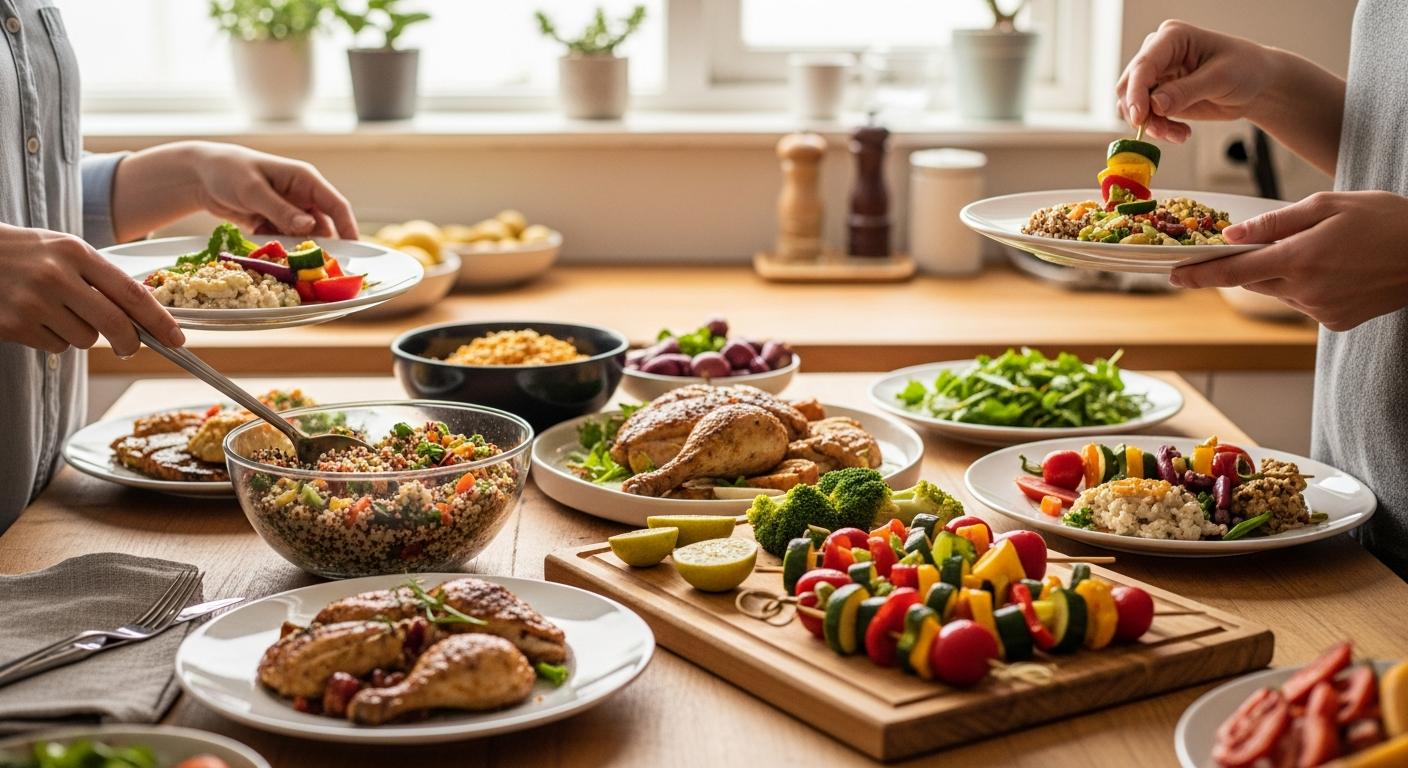
Sheet pan dinners have become my weeknight salvation because they require minimal prep but deliver maximum flavor impact. My gluten-free version features bone-in chicken thighs seasoned with smoked paprika, garlic powder, and dried thyme, surrounded by halved baby potatoes, chunks of bell peppers, and red onion wedges. Everything roasts together at 425°F for thirty-five minutes, creating a complete meal that emerges from the oven golden and aromatic.
The magic happens in the last ten minutes when I add halved cherry tomatoes and fresh corn kernels to the pan. These vegetables need less cooking time but add bright color and fresh flavor that balances the deeper roasted tastes. A squeeze of fresh lemon juice over everything just before serving brightens the entire dish and makes it taste restaurant-quality.
Taco Tuesday transformed in our house when I discovered how much better corn tortillas taste when quickly charred in a dry cast-iron skillet. Thirty seconds per side creates beautiful spotted patterns and develops a smoky flavor that elevates any filling. My slow-cooker carnitas recipe uses pork shoulder, orange juice, lime juice, cumin, oregano, and chipotle peppers in adobo sauce. After six hours on low heat, the meat shreds effortlessly and stays moist for days in the refrigerator.
Stir-fries using tamari instead of soy sauce provide that essential umami flavor while keeping dishes gluten-free. My favorite combination features ground turkey seasoned with fresh ginger, garlic, and red pepper flakes, combined with whatever vegetables need using up in the refrigerator. Serving over cauliflower rice or rice noodles makes it substantial enough for growing teenagers while keeping the focus on fresh, vibrant flavors.
Make-Ahead Dinner Solutions
- Gluten-free meatballs freeze beautifully when made with a combination of ground beef, almond flour, and eggs—bake from frozen for twenty-five minutes
- Casseroles using rice or quinoa as the base reheat better than pasta-based versions and provide excellent leftover lunches
- Marinated proteins like chicken, pork tenderloin, or firm fish can prep on Sunday and cook throughout the week with minimal effort
Smart Substitutions and Pantry Essentials
Building a well-stocked gluten-free pantry means thinking beyond specialty flours to embrace naturally gluten-free ingredients that add nutrition and flavor. Coconut aminos provides the same savory depth as soy sauce but with a slightly sweeter profile that kids often prefer. I buy it in large bottles from warehouse stores since we use it in marinades, stir-fries, and salad dressings throughout the week.
Alternative flours behave differently than wheat flour, and understanding their properties prevents disappointing results. Almond flour adds moisture and richness to baked goods but can make them dense if used alone. Combining it with tapioca starch or rice flour creates better texture. I keep pre-made gluten-free flour blends on hand for quick baking projects, but mixing my own allows better control over flavors and costs significantly less.
Rice noodles and corn pasta cook faster than wheat versions, which makes them perfect for busy weeknights but easy to overcook. Rice noodles need boiling water poured over them and five minutes of soaking rather than active boiling. Corn pasta requires careful timing—usually two minutes less than package directions suggest—and benefits from a quick rinse with cold water to stop the cooking process.
Xanthan gum acts as a binding agent in gluten-free baking, replacing the elasticity that gluten provides. A little goes a long way—typically one-quarter teaspoon per cup of flour blend. Too much creates gummy textures, while too little results in crumbly baked goods that fall apart. I store xanthan gum in the refrigerator where it stays fresh for over a year.
Desserts and Treats That Don’t Feel Like Compromises
Ending meals on a sweet note shouldn’t require complicated specialty ingredients or extensive preparation time. My go-to chocolate chip cookies use a combination of almond flour and coconut flour, creating chewy centers with slightly crispy edges. The key is chilling the dough for at least thirty minutes before baking—this prevents excessive spreading and helps the cookies hold their shape.
Fruit-based desserts naturally avoid gluten while showcasing seasonal ingredients. My apple crisp topping combines gluten-free oats, chopped pecans, coconut oil, and cinnamon for a crunchy contrast to tender baked apples. Individual portions baked in ramekins cook faster and provide perfect serving sizes. A scoop of vanilla ice cream turns this simple dessert into something special enough for company.
Chocolate avocado mousse sounds suspicious but tastes like rich, decadent pudding. Ripe avocados blended with cocoa powder, maple syrup, and vanilla extract create silky smoothness that rivals traditional mousse made with eggs and cream. The avocado flavor completely disappears behind the chocolate, and the healthy fats provide satisfaction that lasts. Garnish with fresh berries or a sprinkle of sea salt for an elegant presentation.
No-bake energy balls satisfy sweet cravings while providing actual nutrition. My favorite combination includes dates, almond butter, cocoa powder, and mini chocolate chips processed until the mixture holds together when squeezed. Rolling the mixture into bite-sized balls and chilling for an hour creates grab-and-go treats that store for weeks in the freezer. Kids love helping make these, and they’re perfect for lunch boxes or after-school snacks.