Introducing Spices to Baby Food
The first time I sprinkled a tiny pinch of cinnamon into my daughter’s sweet potato puree, I held my breath. Would she scrunch up her face? Push it away? Instead, her eyes went wide, she smacked her little lips, and reached for more. That moment changed everything about how I approached feeding her. Gone were the days of bland, flavorless mush—my baby was ready for flavor, and honestly, she’d been ready all along.
If you’ve been hesitant about adding spices to your baby’s food, you’re not alone. So many of us grew up thinking that babies need plain, unseasoned food until they’re much older. But here’s the exciting truth: babies around the world have been eating beautifully spiced foods for centuries, and research shows that introducing a variety of flavors early can actually help prevent picky eating later. Let’s dive into exactly how to bring those gorgeous flavors to your little one’s plate.
Why Spices Are a Game-Changer for Baby Food
Think about it—your baby spent nine months tasting traces of everything you ate through the amniotic fluid. If you enjoyed garlic bread, curry, or cinnamon rolls during pregnancy, your little one already has some familiarity with those flavors. Breast milk also carries flavor compounds from your diet, so by the time your baby starts solids around six months, they’ve actually been on a flavor journey for quite a while.
Research from the American Academy of Pediatrics supports introducing a wide range of flavors during the complementary feeding window (6-12 months). Babies who experience diverse tastes during this period tend to accept a broader variety of foods as toddlers and beyond. Spices are one of the easiest, most nutritious ways to expand that flavor palette without adding sugar, salt, or anything unhealthy.
Beyond taste development, many common spices offer genuine nutritional benefits:
- Turmeric contains curcumin, which has anti-inflammatory properties
- Cinnamon is rich in antioxidants and adds natural sweetness without sugar
- Ginger can soothe upset tummies and aid digestion
- Cumin is a good source of iron, which babies need more of starting at six months
- Garlic supports immune function and makes practically everything taste better
The Best First Spices to Try (And When to Introduce Them)
Once your baby is comfortably eating basic purees or soft foods—usually a few weeks into their solids journey—you can start adding spices. There’s no need to wait until a specific age beyond the general six-month starting point for solids. The key is to start with mild, warming spices and work your way up.
Beginner Spices (Starting Around 6-7 Months)
These mild, aromatic spices blend beautifully into purees and mashed foods:
- Cinnamon: Start with just a tiny pinch (about 1/16 teaspoon) stirred into mashed banana, applesauce, oatmeal, or sweet potato. The warm, sweet aroma makes everything smell like a bakery, and most babies love it instantly.
- Vanilla: A drop or two of pure vanilla extract (not imitation) transforms plain yogurt or fruit purees. It adds a cozy sweetness without any actual sugar.
- Nutmeg: Just a whisper of freshly grated nutmeg in butternut squash puree or pear mash creates a beautifully complex flavor. Use very sparingly—a tiny grating is plenty.
- Mild curry powder: A small pinch mixed into lentil puree or mashed chickpeas introduces your baby to a whole bouquet of flavors at once.
Intermediate Spices (Around 7-9 Months)
As your baby becomes more adventurous, branch out:
- Cumin: Earthy and warm, it pairs perfectly with black beans, sweet potato, or avocado. Try about 1/8 teaspoon in a serving.
- Turmeric: Adds a gorgeous golden color to rice, cauliflower, or chicken. Use a small pinch—it stains everything, so fair warning for bibs and high chairs.
- Garlic: Start with roasted garlic (which is milder and sweeter) mashed into vegetables. One small clove roasted and mashed into a batch of food is perfect. Raw garlic can come later.
- Ginger: Fresh ginger, finely grated, is wonderful in carrot or pumpkin puree. Start with about 1/4 teaspoon of freshly grated ginger per batch.
- Coriander: Ground coriander has a citrusy, slightly floral flavor that works beautifully with chicken, fish, or vegetable purees.
More Adventurous Spices (9+ Months)
- Paprika (sweet, not hot): Adds a smoky sweetness to egg yolks, chicken, or roasted vegetables
- Oregano and basil: Perfect in tomato-based sauces, pasta dishes, and Mediterranean-inspired meals
- Mint: Fresh mint leaves blended into pea puree or yogurt make a surprisingly refreshing combination
- Cardamom: This fragrant spice is gorgeous in oatmeal, banana mash, or rice pudding
Simple Spiced Baby Food Recipes to Get You Started
These recipes are my tried-and-true favorites that all three of my kids gobbled up. Each one takes less than 20 minutes of active prep time.
Cinnamon-Ginger Sweet Potato Mash
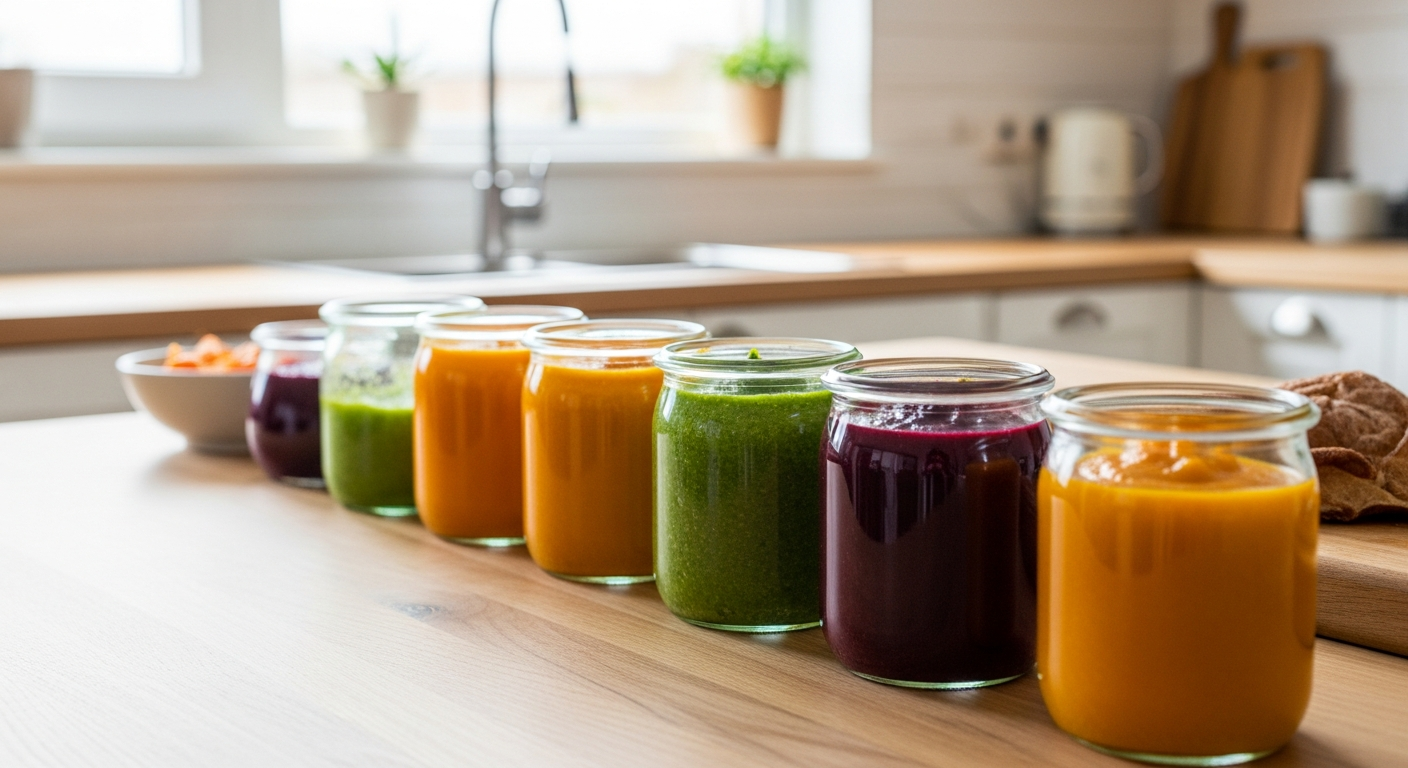
Peel and cube 2 medium sweet potatoes and steam them for about 12-15 minutes until fork-tender. Mash or blend with a splash of breast milk or formula, then stir in 1/4 teaspoon of cinnamon and a tiny pinch of ground ginger. The kitchen will smell absolutely heavenly. This makes about 6 servings and freezes beautifully in ice cube trays.
Golden Turmeric Cauliflower Puree
Steam one small head of cauliflower (broken into florets) for about 10 minutes. Blend until smooth with a pinch of turmeric, a pinch of cumin, and a tiny drizzle of olive oil. The olive oil helps with absorption of the turmeric’s beneficial compounds. The vibrant yellow color makes this look so appealing—babies eat with their eyes too!
Cumin-Spiced Black Bean Mash
Rinse and drain one can of low-sodium black beans. Warm them gently in a small pot with 1/4 teaspoon of cumin and a pinch of coriander. Mash with a fork for older babies or blend smooth for beginners, adding water or broth to reach the desired consistency. Top with a tiny squeeze of lime juice if your baby has already tried citrus. This is packed with protein, fiber, and iron.
Cardamom Banana Oatmeal
Cook 1/4 cup of baby oats according to package directions. Mash half a ripe banana and stir it in along with a tiny pinch of cardamom. The banana provides natural sweetness, and the cardamom adds an almost magical, aromatic warmth. This was my go-to breakfast for all my babies from about 7 months on.
Important Safety Tips for Spicing Baby Food
While spices are wonderfully safe for babies, there are a few guidelines to keep things smooth and stress-free:
Introduce one new spice at a time. Wait 2-3 days before adding another new one. This way, if your baby has any reaction (which is rare with spices, but possible), you’ll know exactly which one caused it. True spice allergies are uncommon, but skin rashes or digestive upset can occasionally happen.
Skip the salt entirely until age one. Babies’ kidneys aren’t mature enough to handle added sodium. The beauty of spices is that they make food delicious without any salt at all. You’ll be amazed at how flavorful a dish can be with just cumin, garlic, and a squeeze of lemon.
Avoid added sugar and honey. Honey is off-limits until 12 months due to botulism risk. Spices like cinnamon, vanilla, and cardamom add natural sweetness perception without any actual sugar.
Hold off on hot peppers and chili. While many cultures do introduce mild heat early, it’s generally best to wait until closer to 12 months before trying anything with capsaicin. When you do, start with the mildest option—a tiny touch of sweet paprika—and work up gradually.
Use fresh, high-quality spices. Check expiration dates on your spice jars. Old, stale spices don’t just taste flat—they can develop off-flavors that might put your baby off. If a spice has been sitting in your cabinet for three years, it’s time for a refresh.
Spice Blends That Make Batch Cooking Easy
Once you’re comfortable with individual spices, making your own baby-friendly spice blends is a total game-changer for meal prep. Mix up a small jar of each and keep them in your spice rack for quick cooking.
Baby’s First Curry Blend
Combine 2 teaspoons ground cumin, 1 teaspoon ground coriander, 1/2 teaspoon turmeric, and 1/4 teaspoon cinnamon. Use about 1/4 teaspoon per serving stirred into lentils, chicken, vegetables, or rice. This blend is mild, warmly aromatic, and incredibly versatile.
Sweet Spice Blend
Mix 2 teaspoons cinnamon, 1 teaspoon ground ginger, 1/2 teaspoon nutmeg, and 1/4 teaspoon cardamom. Perfect for oatmeal, fruit purees, yogurt, and sweet vegetables like sweet potato and butternut squash. A small pinch transforms plain oatmeal into something that smells like a holiday morning.
Savory Herb Blend
Combine 1 teaspoon dried basil, 1 teaspoon dried oregano, 1/2 teaspoon garlic powder, and 1/2 teaspoon onion powder. Sprinkle into pasta sauces, meat purees, or roasted vegetables. This is essentially a baby-friendly Italian seasoning, and it makes simple chicken and vegetable meals taste restaurant-worthy.
Store your blends in small glass jars or clean spice containers. They’ll stay fresh for about 3 months, though in my house they never last that long because I end up using them in family meals too.
How to Handle a Baby Who Rejects Spiced Food
Not every baby will immediately love every spice, and that’s completely normal. Flavor acceptance is a process, not a single event. Here’s what I’ve learned from feeding three very different little eaters:
Don’t give up after one try. Research shows it can take 10-15 exposures before a baby accepts a new flavor. That funny face your baby makes? It’s often surprise, not dislike. Offer the same spiced food again in a few days.
Mix new spices into favorite foods. If your baby loves sweet potato but makes a face at cumin, try adding the tiniest amount of cumin to the sweet potato. Gradually increase the amount over several meals. This gentle approach builds familiarity without overwhelming their palate.
Let them watch you enjoy it. Babies are incredible mimics. If they see you eating and genuinely enjoying the same spiced food, they’re much more likely to try it. Make a big show of how yummy it is—exaggerated “mmmm” sounds absolutely work.
Adjust the amount, not the spice. If your baby seems put off, you probably added too much. Scale way back and try again. Sometimes the difference between “love it” and “hate it” is literally a single extra shake of the spice jar.
The most important thing is to stay relaxed and keep mealtimes pressure-free. Your baby is learning about food, and every taste—even the rejected ones—is teaching them something. Before you know it, you’ll have a toddler who reaches for the curry and asks for seconds. Trust me, it happens faster than you think, and it’s one of the most rewarding parts of this whole feeding journey.