Nut-Free Lunchbox Ideas for School
The lunch lady’s voice echoed through the cafeteria: “Sorry honey, but we can’t accept any lunches with nuts or nut products.” My daughter stood there, deflated, holding her carefully packed peanut butter and jelly sandwich while I frantically tried to think of what she could eat instead. That moment taught me something crucial – having a nut-free school doesn’t mean sacrificing delicious, satisfying lunches.
After three years of navigating nut-free lunch packing, I’ve discovered that some of our family’s most creative and beloved lunch combinations came from this challenge. My kids actually prefer many of these alternatives to their old standbys, and I love knowing that every child in their classroom can enjoy lunch safely together.
The secret isn’t just finding nut-free foods – it’s creating lunches that are so appealing and satisfying that your kids won’t miss nuts at all. From protein-packed wraps that hold together perfectly until lunch time to make-ahead snacks that stay fresh all week, these ideas will transform your morning routine and your child’s lunch experience.
Protein-Packed Sandwich and Wrap Alternatives
The classic PB&J might be off the table, but these protein-rich alternatives will keep your kids full and happy until they get home. I’ve tested each of these with my own picky eaters, and they’ve all passed the “clean lunchbox” test.
Sunflower Seed Butter and Banana Roll-Ups became our go-to replacement for peanut butter sandwiches. Spread 2 tablespoons of sunflower seed butter on a whole wheat tortilla, add thin banana slices, and a light drizzle of honey. Roll tightly and slice into pinwheels. The trick is using tortillas that are fresh and pliable – day-old tortillas crack when rolled. I make these Sunday night for the entire week, wrapping each serving in parchment paper to prevent them from unrolling.
Cream Cheese and Turkey Spirals satisfy even my most skeptical eater. Spread 3 tablespoons of cream cheese evenly on a spinach tortilla, layer with 3-4 slices of turkey, add shredded carrots and cucumber strips, then roll firmly. The cream cheese acts as both flavor and “glue” to keep everything together. Cut into 1-inch rounds and pack with a small container of ranch for dipping.
For sandwich lovers, try Hummus and Veggie Sandwiches on sturdy whole grain bread. I use 1/4 cup of store-bought hummus (checking labels carefully for nut warnings), layer with cucumber rounds, shredded carrots, and lettuce. The key is lightly toasting the bread first – it prevents sogginess and adds a satisfying crunch that mimics the texture nuts would provide.
Make-Ahead Protein Tips
- Cook a batch of turkey meatballs on Sunday using ground turkey, breadcrumbs, and Italian seasoning. Pack 4-5 cold meatballs with marinara sauce for dipping.
- Hard-boil a dozen eggs at once. They keep for a week and can be sliced for sandwiches or packed whole with a small container of salt.
- Prepare chicken salad using Greek yogurt instead of mayo, mixed with diced apples and celery. It stays fresh for three days and works in wraps or on crackers.
Creative Bento Box Ideas
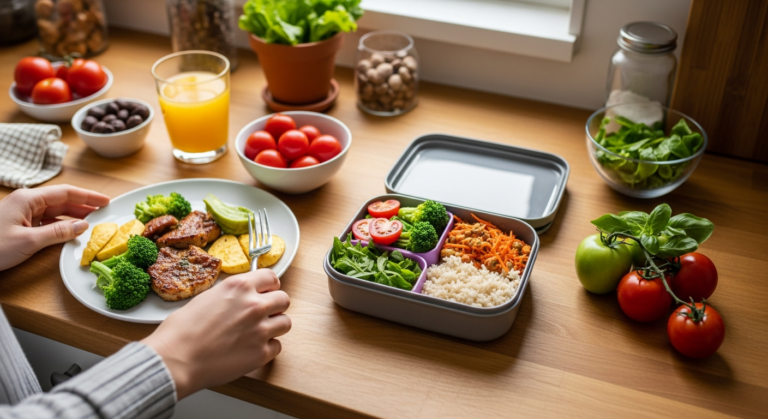
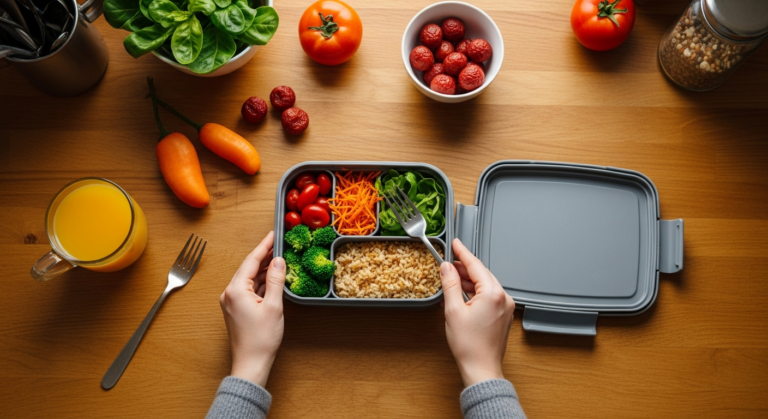
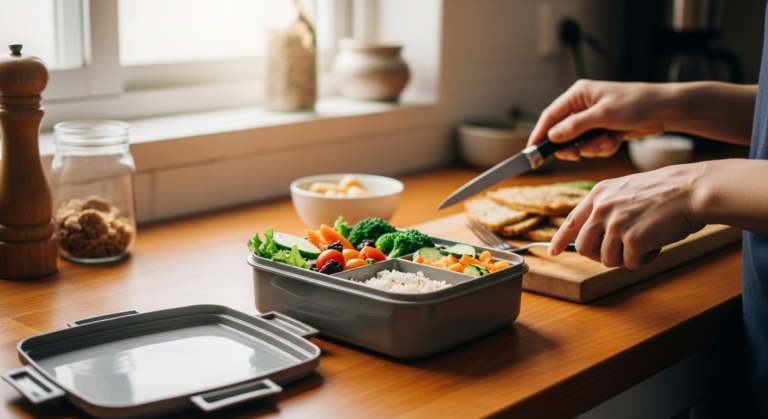
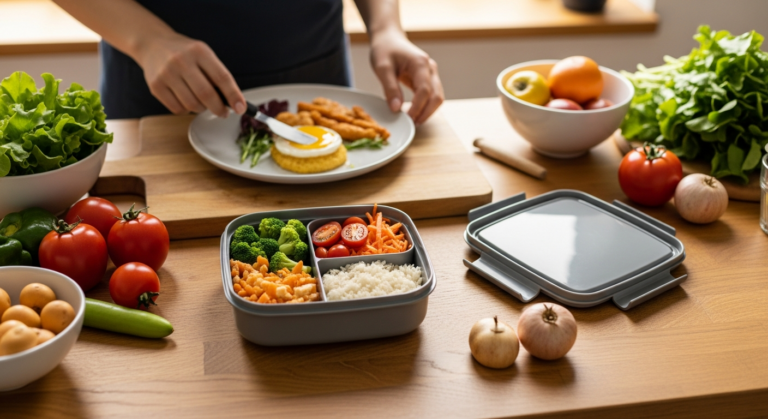
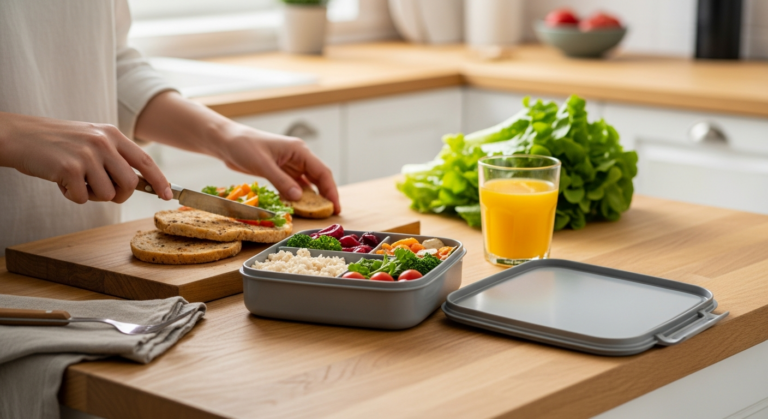
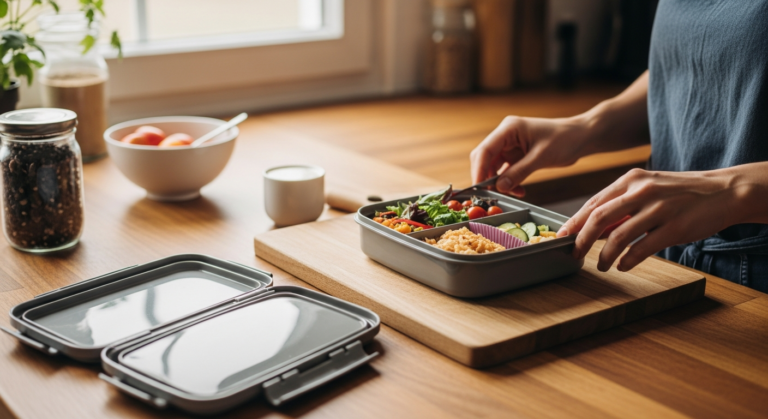
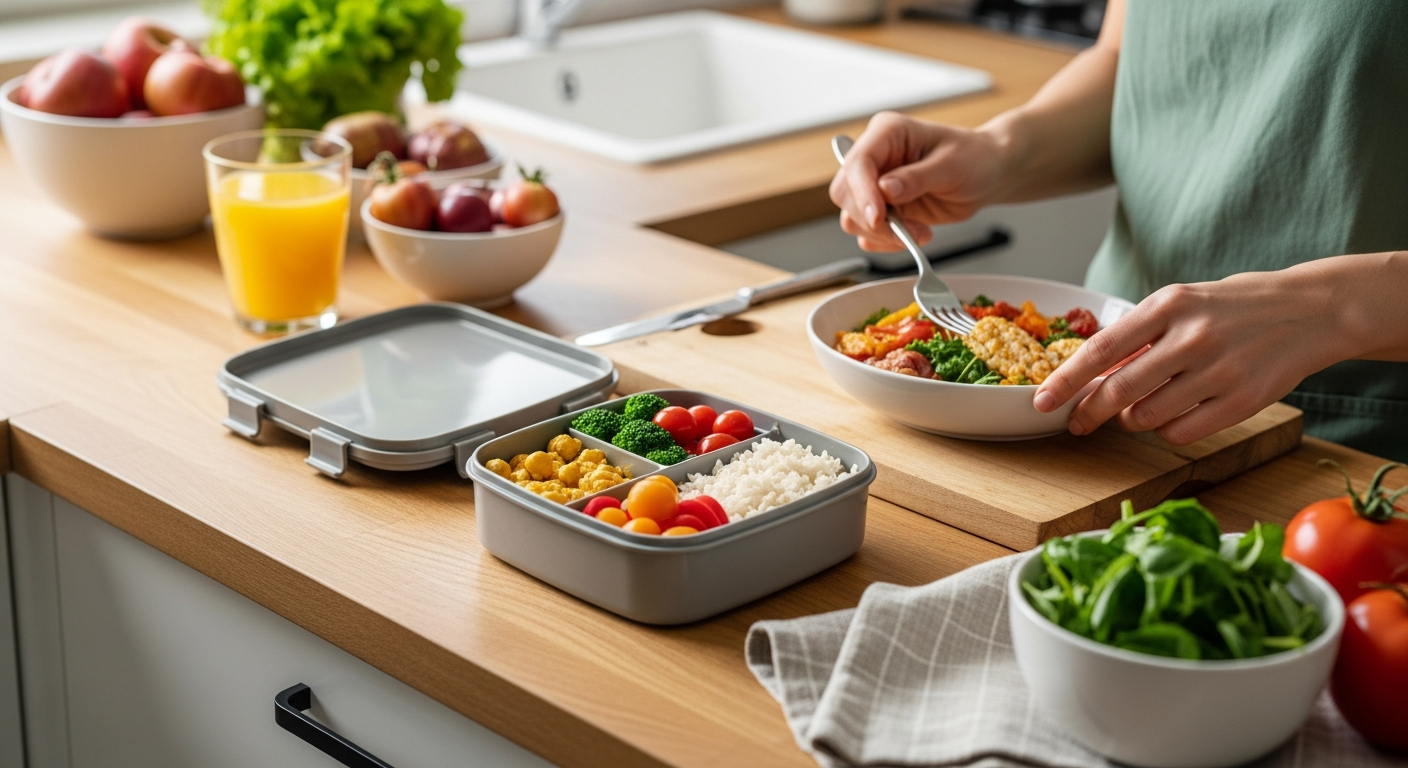
Bento boxes transformed our lunch routine because they allow for variety without requiring separate containers for everything. The visual appeal gets my kids excited about lunch, and the compartments make it easy to include different food groups without flavors mixing together.
My Rainbow Veggie Bento includes cherry tomatoes, orange bell pepper strips, yellow cheese cubes, green grapes, and purple cabbage slaw in the main compartments. The protein comes from rolled turkey slices secured with colorful picks. In the smallest section, I pack a tablespoon of ranch made from Greek yogurt, ranch powder, and a splash of milk. This combination provides crunch, sweetness, and protein while looking like a rainbow.
DIY Lunchables cost a fraction of store-bought versions and taste infinitely better. I use whole grain crackers, sliced cheddar cheese, and nitrate-free turkey or ham. The magic is in the presentation – cutting cheese with small cookie cutters makes it special. Add cherry tomatoes and a few dark chocolate chips (nut-free varieties like Enjoy Life brand) for a complete meal that feels like a treat.
The Breakfast-for-Lunch Bento is perfect for kids who rush through breakfast. Mini whole grain waffles (toasted and cooled) pair beautifully with a small container of maple syrup for dipping, fresh berries, and turkey sausage links cut into coins. Everything can be eaten at room temperature, and the combination of sweet and savory keeps them satisfied.
Bento Packing Success Tips
- Invest in silicone cupcake liners – they’re washable, colorful, and perfectly sized for bento compartments
- Pack wet items like fruits in separate containers to prevent everything from getting soggy
- Use a small ice pack to keep dairy items safe, especially during warmer months
- Let kids help choose one item for each compartment – ownership increases the likelihood they’ll actually eat it
Make-Ahead Snacks and Treats
Sunday afternoon prep sessions save my sanity during busy school mornings. These snacks stay fresh for days and provide the energy boost kids need to power through afternoon classes.
Homemade Granola Bars using oats, honey, dried fruit, and sunflower seeds taste better than store-bought versions and cost significantly less. I mix 3 cups old-fashioned oats, 1/2 cup honey, 1/2 cup sunflower seed butter, 1/2 cup mini chocolate chips (nut-free), and 1/2 cup dried cranberries. Press firmly into a parchment-lined 9×13 pan and refrigerate for 2 hours before cutting. These keep for a week wrapped individually in plastic wrap.
My kids beg for Energy Balls made from dates, oats, and coconut. Process 1 cup pitted dates in a food processor until paste-like, add 1 cup rolled oats and 1/2 cup shredded coconut, pulse until combined. Roll into walnut-sized balls and refrigerate. They taste like cookie dough but provide sustained energy without the sugar crash of typical treats.
Veggie Muffins disguise nutrition in a kid-friendly format. My zucchini chocolate chip muffins use whole wheat flour, grated zucchini, applesauce instead of oil, and nut-free chocolate chips. Bake at 350°F for 18-20 minutes, and they freeze beautifully. I grab them frozen in the morning and they’re perfectly thawed by lunch time.
Fresh and Appealing Fruit Options
Fruit provides natural sweetness and important vitamins, but presentation makes the difference between eaten and uneaten produce. I’ve learned which fruits travel well and how to make them irresistible to reluctant fruit eaters.
Apple slices stay crisp and white when tossed with a tiny amount of lemon juice, then packed with a small container of cinnamon-sugar for dipping. I use a 2:1 ratio of sugar to cinnamon, and just a tablespoon is enough for a whole apple. The dipping action makes eating fruit feel interactive and fun.
Frozen grapes are a revelation on hot days – they taste like natural popsicles and help keep other lunch items cool. I wash and freeze red and green grapes in small portions Sunday night. By lunch time, they’re partially thawed but still refreshingly cold.
Fruit kabobs turn ordinary fruit into something special. I alternate strawberries, pineapple chunks, and grapes on small wooden skewers. The key is choosing firm fruit that won’t fall apart and cutting pieces roughly the same size so they stay balanced on the skewer.
Seasonal Fruit Strategy
- Fall: Apple slices with caramel dip, pear wedges, and fresh cranberries mixed with a touch of honey
- Winter: Orange segments, kiwi slices, and pomegranate seeds for vitamin C during cold season
- Spring: Strawberries, early berries, and the first stone fruits of the season
- Summer: Melon balls, berries, peaches, and plums that are naturally sweet and refreshing
Hydration and Drink Ideas
Plain water is ideal, but some kids need more encouragement to stay hydrated throughout the day. These options provide variety without relying on sugary juice boxes or drinks with artificial additives.
Infused water makes hydration exciting without added sugars. My kids love cucumber-mint water, made by adding 4-5 cucumber slices and 2-3 fresh mint leaves to their water bottle the night before. The flavors infuse overnight, creating a spa-like drink that feels special. Lemon-berry combinations work beautifully too – a few frozen berries and a lemon wedge create natural flavor and beautiful color.
Homemade fruit smoothie popsicles work as both drink and treat. I blend 1 cup frozen mango, 1/2 cup Greek yogurt, and 1/4 cup orange juice, pour into small cups with lids and straws, then freeze. They’re perfectly slushy by lunch time and provide protein along with fruit.
Herbal iced tea offers a caffeine-free alternative that feels grown-up. Chamomile or fruit-flavored herbal teas, lightly sweetened with honey and served cold, provide variety without the sugar crash of juice. I make a pitcher Sunday evening and portion it into water bottles throughout the week.
Weekly Meal Planning and Prep Strategies
Successful nut-free lunch packing requires a system that works on chaotic Monday mornings and calm Sunday afternoons alike. After years of trial and error, I’ve developed a routine that ensures variety, nutrition, and sanity.
Sunday prep sessions focus on components rather than complete meals. I wash and cut all vegetables, portion snacks into individual containers, and prepare any items that improve with time like energy balls or infused water. This approach provides flexibility throughout the week while eliminating the most time-consuming tasks from busy mornings.
My weekly rotation system prevents boredom while simplifying decisions. Monday is always wrap day, Tuesday features bento boxes, Wednesday brings sandwiches, Thursday showcases leftovers transformed into lunch, and Friday allows kids to choose their favorite from the week. This structure provides predictability while leaving room for creativity and preferences.
Shopping lists organized by lunch category streamline grocery trips. I keep a running list on my phone with sections for proteins, fruits, vegetables, snacks, and pantry staples. When I notice we’re running low on sunflower seed butter or fresh fruit, I immediately add it to the appropriate section. This prevents those frustrating moments of realizing you’re out of lunch essentials at 7 AM on a school day.
Emergency backup meals stored in the pantry save stressful mornings when fresh ingredients run out unexpectedly. Shelf-stable items like whole grain crackers, individual applesauce cups, string cheese, and granola bars can be combined into a satisfying lunch that doesn’t require any morning prep. I keep these emergency supplies in a designated basket, checking and refreshing them monthly.