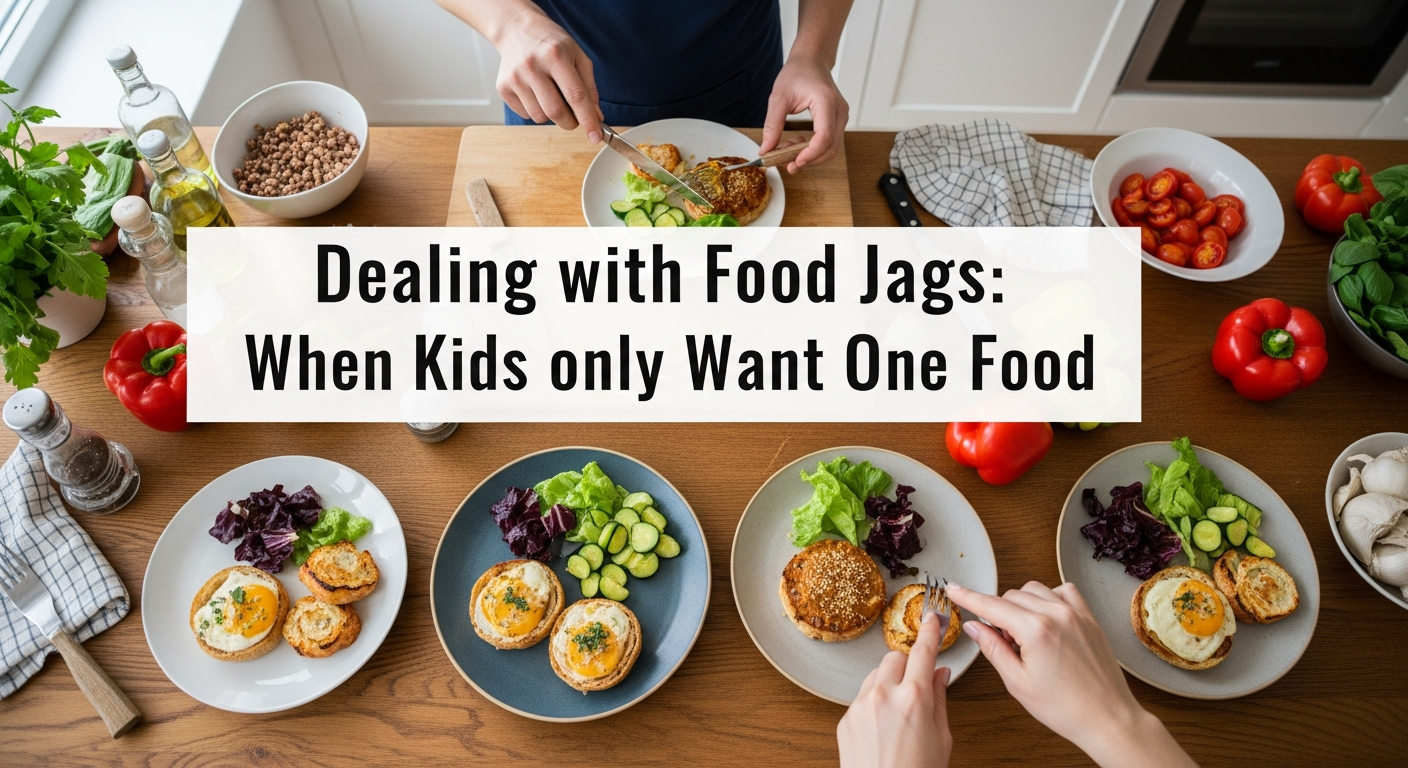
Dealing with Food Jags: When Kids Only Want One Food
My daughter Emma sat at the breakfast table for the third consecutive week, pushing away her scrambled eggs and pointing dramatically at the pantry. “Goldfish crackers!” she declared with the confidence of a tiny food critic who had discovered her one true culinary love. The orange, cheese-dusted crescents had become her breakfast, lunch, snack, and if I’d let her, dinner too. Sound familiar?
If you’ve found yourself frantically Googling “can a child survive on chicken nuggets alone” at 2 AM, you’re definitely not alone in this parenting adventure. Food jags—those intense periods when our little ones fixate on eating just one or two foods—are incredibly common among toddlers and preschoolers. While it can feel like your child might waste away eating nothing but mac and cheese for weeks on end, there’s actually a method to their seemingly maddening food choices.
The key to navigating food jags isn’t about forcing variety or staging dinner table battles (trust me, nobody wins those). Instead, it’s about understanding why these phases happen, ensuring adequate nutrition within their preferred choices, and gently expanding their horizons without turning mealtime into a power struggle. Let me share the strategies that helped us survive Emma’s great Goldfish cracker obsession and many other single-food phases that followed.
Understanding the Science Behind Food Jags
Food jags aren’t just stubborn behavior—they’re actually a normal part of child development that serves important purposes. Between ages 18 months and 5 years, children’s brains are wired to be cautious about new foods as an evolutionary survival mechanism. This neophobia, or fear of new foods, once protected our ancestors from potentially poisonous plants and unfamiliar substances.
During a food jag, children often choose foods that provide comfort and predictability. That beloved peanut butter sandwich offers the same taste, texture, and visual appeal every single time—no surprises, no overwhelming flavors, just reliable satisfaction. Emma’s Goldfish crackers delivered consistent saltiness, familiar crunch, and that distinctive cheese powder coating she could count on with every bite.
Developmentally, food jags also coincide with children’s growing need for autonomy. Choosing to eat only grilled cheese sandwiches is one way they can exert control in a world where adults make most of their decisions. Understanding this psychological component helps us approach food jags with patience rather than frustration, recognizing them as temporary phases rather than permanent eating disorders.
When Food Jags Become Concerning
Most food jags last anywhere from a few weeks to several months and resolve naturally as children mature. However, watch for signs that might indicate the need for professional guidance: significant weight loss, extreme restriction to fewer than 10 foods total, gagging or vomiting when presented with previously accepted foods, or jags lasting longer than six months without any flexibility.
Maximizing Nutrition Within Their Chosen Foods
When your child insists on eating only pasta, your first instinct might be panic about nutritional deficiencies. Instead of fighting the jag, work within it to maximize the nutritional value of their preferred food. If pasta is the chosen one, experiment with different shapes, colors, and preparations to sneak in variety without changing the fundamental food they love.
For a pasta-obsessed child, try rotini made from chickpea flour (higher protein), bright orange shells made with sweet potato and cauliflower, or whole wheat penne tossed with a tablespoon of olive oil and a sprinkle of parmesan cheese. Cook 8 ounces of any pasta shape according to package directions, then toss with 2 tablespoons of butter mixed with finely grated vegetables like zucchini or carrots—they’ll cling to the pasta and add nutrients without dramatically changing the familiar taste.
If chicken nuggets rule your dinner table, make homemade versions using panko breadcrumbs mixed with ground flaxseed for omega-3s. Cut 1 pound of chicken breast into nugget-sized pieces, dip in beaten egg mixed with 2 tablespoons of plain Greek yogurt, then coat with a mixture of 1 cup panko breadcrumbs, 2 tablespoons ground flaxseed, and 1 teaspoon garlic powder. Bake at 400°F for 12-15 minutes until golden and cooked through.
Fortifying Favorite Foods
Small additions can significantly boost nutrition without triggering rejection. Add a teaspoon of chia seeds to yogurt (they’re virtually tasteless), mix pureed white beans into mac and cheese sauce, or blend silken tofu into fruit smoothies for extra protein. When making pancakes for a pancake-loving child, substitute half the all-purpose flour with oat flour and add a mashed banana to the batter for potassium and fiber.
Gentle Expansion Strategies That Actually Work
Rather than presenting completely new foods that will likely be rejected, focus on tiny modifications to their accepted food. If your child loves plain bagels, try offering the same bagel with a microscopic amount of cream cheese on just one corner. The familiar bagel remains the star, but you’re introducing a complementary texture and flavor in the least threatening way possible.
The “food chaining” technique connects new foods to accepted ones through shared characteristics. If your toddler adores Cheerios, you might try other round, crunchy foods like freeze-dried peas or small crackers. When Emma was in her Goldfish phase, I occasionally mixed in a few cheddar bunnies—same orange color, similar size, but slightly different shape and texture. She’d pick around them initially, but eventually tried a few.
Another effective approach is the “bridge food” method. If grilled cheese is the beloved food, create bridges by serving it with tiny cherry tomatoes (they roll and are fun to play with), offering different types of cheese inside the same bread, or cutting the sandwich into fun shapes with cookie cutters. Make the grilled cheese with 2 slices of whole grain bread, 2 ounces of mild cheddar, and butter the outside. Cook in a skillet over medium heat for 3-4 minutes per side until golden brown and cheese melts.
The Power of Food Presentation
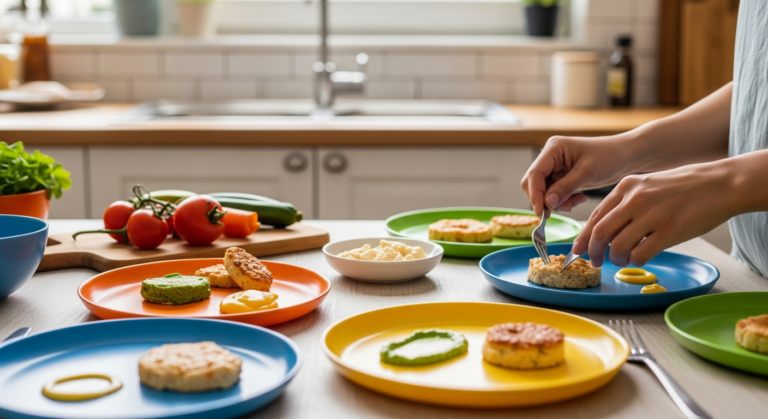
Sometimes the same food becomes more appealing with different presentation. Serve their favorite pasta in a muffin tin with small portions of various toppings they can choose from—grated cheese, a few peas, tiny pieces of cooked chicken. This gives them control while introducing options. Use colorful plates, fun utensils, or serve finger foods in ice cube trays to make eating feel more like play.
Maintaining Family Meals During Food Jags
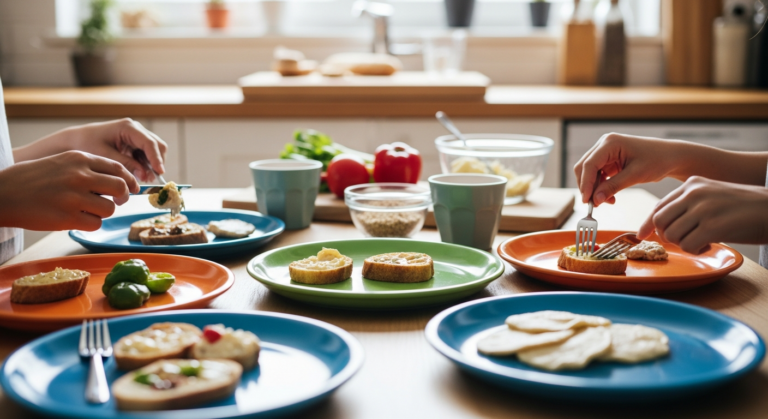
Just because your child is deep in a food jag doesn’t mean family meals need to disappear. Continue serving family-style meals with their preferred food as one option alongside what everyone else is eating. Place a small portion of their accepted food on their plate, then add tiny amounts of the family meal without pressure to eat anything specific.
During Emma’s Goldfish phase, I’d put a small bowl of crackers on her plate along with whatever we were having for dinner. Sometimes she’d ignore everything else, sometimes she’d nibble a green bean or try a bite of chicken. The key was removing pressure and keeping exposure consistent without turning it into a battle.
Make sure other family members aren’t commenting on the food jag child’s eating habits during meals. Comments like “Look, Emma’s only eating crackers again” or “Why won’t you try the chicken like your brother?” can increase mealtime anxiety and prolong the jag. Instead, model enjoyment of diverse foods and engage in pleasant conversation unrelated to eating.
Practical Meal Planning Tips
Plan meals that can easily accommodate their preferred food without requiring separate cooking. If they’re only eating rice, make stir-fries, rice bowls, or fried rice for the family—they can eat plain rice while others enjoy the full dish. Keep their accepted foods well-stocked to avoid the stress of running out, but don’t make it the only food visible in your kitchen.
Managing Your Own Stress and Expectations
Watching your child refuse nutritious meals you’ve lovingly prepared while demanding the same food for the fifteenth day in a row can trigger intense parental anxiety. Remember that healthy children will not let themselves starve, and food jags are temporary phases, not permanent lifestyle changes. Focus on the long game rather than daily nutrition requirements.
Keep a food diary during the jag to help ease your worries. Write down everything your child eats and drinks over a week—you might be surprised to discover they’re getting more variety and nutrition than you realized. That “only chicken nuggets” phase might actually include the apple slices they ate as a snack, the milk they drank at breakfast, and the few crackers they munched in the car.
Connect with your pediatrician if you’re concerned about nutrition or growth. Most doctors can reassure you that short-term limited eating won’t harm a healthy child, and they can recommend vitamin supplements if needed. Having professional support can significantly reduce your stress and help you approach the food jag with more patience and creativity.
Self-Care for Food Jag Parents
Don’t let your child’s eating habits consume your mental energy. Continue cooking foods you enjoy, maintain your own healthy eating patterns, and resist the urge to become a short-order cook. It’s perfectly acceptable to serve your child their preferred food alongside the family meal without preparing multiple separate dishes. Taking care of your own relationship with food sets a positive example and prevents resentment from building.
Remember that food jags end just as mysteriously as they begin. One day Emma simply asked for scrambled eggs again, and the great Goldfish cracker phase faded into family lore. Trust in your child’s innate ability to regulate their eating, maintain consistent exposure to variety without pressure, and know that this too shall pass.