Getting Kids to Eat More Vegetables: Proven Strategies
Last Tuesday night, I watched my eight-year-old daughter methodically pick every single piece of broccoli out of her cheesy rice casserole, creating a sad little green pile on the edge of her plate. Sound familiar? She’d eaten that exact same broccoli just two weeks earlier when I served it as “little green trees” with ranch dressing, but somehow in casserole form, it became the enemy.
That moment reminded me why getting kids to eat vegetables isn’t just about nutrition—it’s about understanding how their minds work, how their taste buds develop, and yes, how to be a little sneaky sometimes. After five years of feeding my own three kids and countless conversations with other parents in grocery store produce sections, I’ve learned that success comes from having multiple strategies in your back pocket.
The truth is, most kids are naturally wired to be suspicious of green things, bitter flavors, and unfamiliar textures. But with the right approaches—some backed by research, others discovered through trial and error in real family kitchens—you can turn vegetables from a dinnertime battle into something your kids actually request. Let me share what’s actually worked in my house and in the homes of families I’ve connected with through this blog.
The Power of Positive Exposure: Making Vegetables the Star
Here’s what I’ve learned: kids need to see vegetables as the main event, not the side dish punishment. When vegetables get relegated to that sad corner of the plate next to the “real food,” children internalize that hierarchy. Instead, try centering entire meals around vegetables in ways that feel exciting and substantial.
My go-to strategy is what I call “vegetable vehicles”—using vegetables as the base for familiar flavors. Take my loaded sweet potato boats: I bake sweet potatoes at 425°F for 45 minutes until fork-tender, then split them open and stuff them with black beans, shredded cheese, diced avocado, and a drizzle of lime crema. My kids see this as “Mexican food night,” not “sweet potato night.” The vegetable becomes the foundation for flavors they already love.
Cauliflower pizza crust works similarly. While I’m not claiming it tastes exactly like regular pizza, when you pulse two cups of cauliflower florets in a food processor, mix with one egg, half a cup of mozzarella, and Italian seasoning, then bake at 450°F for 15 minutes before adding toppings, you get something crispy and satisfying. My kids help choose toppings, and suddenly they’re invested in eating “their” creation.
For busy weeknights, I keep pre-roasted vegetables in the fridge. Every Sunday, I toss chopped bell peppers, zucchini, and cherry tomatoes with olive oil and garlic, then roast at 425°F for 20 minutes. Throughout the week, these become pizza toppings, pasta mix-ins, or quesadilla fillings. The key is having them ready to go when you’re assembling quick meals.
Texture Transformation: Working with Picky Palates
Texture issues are real, especially for kids who gag on mushy cooked carrots but will crunch through raw ones all day. I’ve found that the same vegetable prepared differently can be the difference between success and a dinnertime meltdown.
Roasting transforms almost everything. Brussels sprouts go from bitter and cabbage-y to sweet and crispy when you halve them, toss with olive oil and salt, then roast at 400°F for 25 minutes until the edges are golden brown. My youngest, who swears she hates all green vegetables, calls these “crispy chips” and asks for seconds.
Spiralizing has been a game-changer for getting more vegetables into pasta-loving kids. Zucchini noodles work best when you salt them lightly and let them sit for 10 minutes to draw out excess moisture, then pat dry before sautéing for just 2-3 minutes. Mix them half-and-half with regular pasta, and many kids don’t even notice. Sweet potato noodles need a bit longer—about 5 minutes in a hot skillet with a splash of water to steam-sauté them until tender.
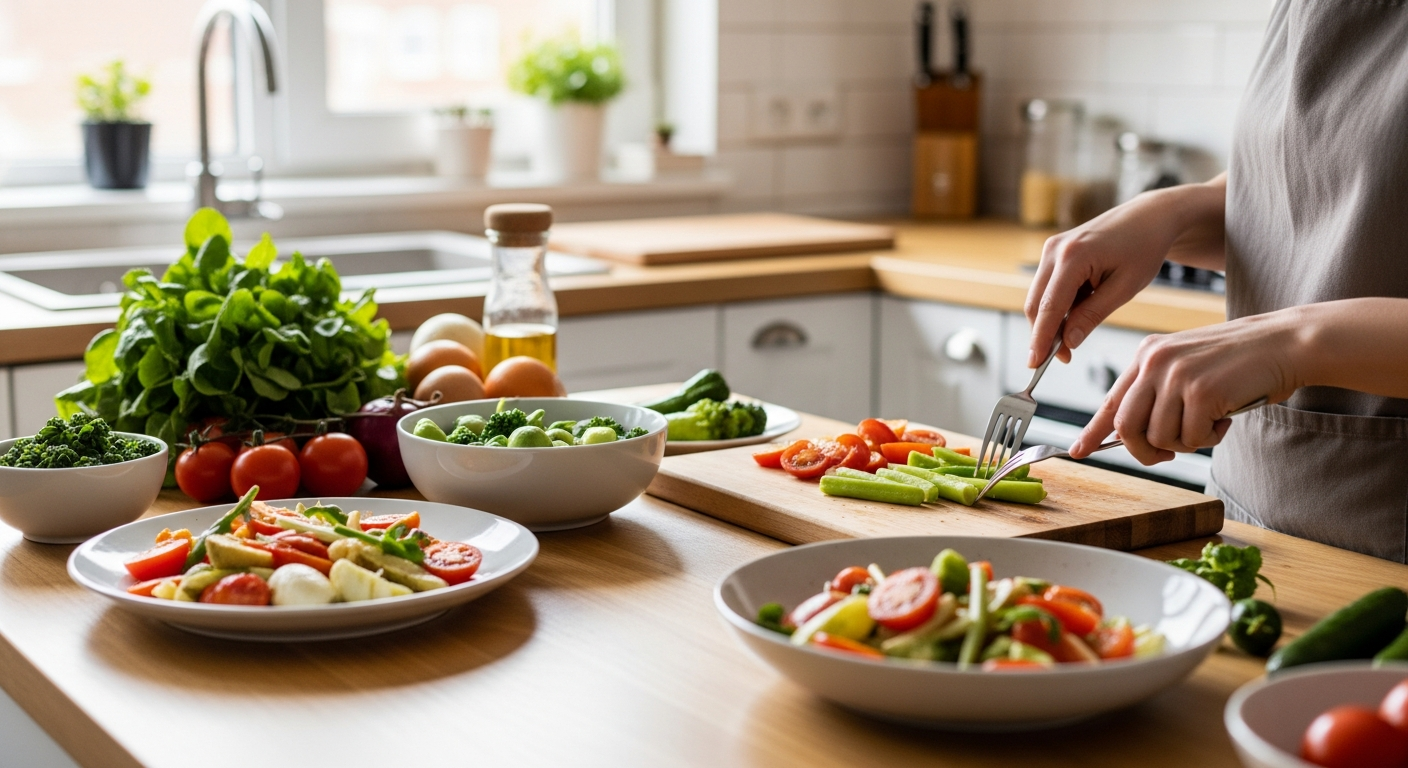
For kids who struggle with mixed textures, I serve vegetables separately but make them special. Cucumber rounds become “tea sandwiches” with cream cheese and a sprinkle of everything bagel seasoning. Cherry tomatoes get halved and sprinkled with coarse salt and fresh basil—suddenly they’re “fancy restaurant tomatoes.” Bell pepper strips served with individual small bowls of hummus, ranch, or even ketchup give kids control over their dipping experience.
The Smoothie Strategy
When all else fails, smoothies are my secret weapon. A cup of frozen mango, half a frozen banana, a handful of spinach, and coconut milk creates a bright orange smoothie that tastes like tropical paradise. The spinach completely disappears in flavor, but you’re getting a full serving of leafy greens. Add a tablespoon of almond butter for staying power, and this becomes a legitimate breakfast or after-school snack.
Beet smoothies sound scary, but one small roasted beet (roast at 400°F wrapped in foil for about an hour), combined with strawberries, banana, and vanilla yogurt, creates the most beautiful pink color that kids can’t resist. The earthiness of the beet gets completely masked by the fruit sweetness.
Hidden Vegetables: Strategic Stealth Operations
Before you roll your eyes at the idea of “hiding” vegetables, hear me out. I’m not talking about deception as a long-term strategy, but rather as a bridge while kids develop their palates. When my middle son went through a phase where he’d only eat beige foods, sneaking vegetables into familiar dishes kept his nutrition on track while I worked on expanding his comfort zone.
Meatballs are perfect vehicles for hidden vegetables. My standard recipe includes one pound of ground turkey, half a cup of finely grated zucchini (squeeze out the excess water first), quarter cup of finely minced mushrooms, one egg, and breadcrumbs. The vegetables add moisture and nutrients without changing the fundamental flavor or texture kids expect from meatballs. Bake them at 375°F for 20 minutes, and serve with marinara sauce for dipping.
Pasta sauce is another obvious hiding spot, but I’ve learned to be strategic about it. Instead of just adding random vegetables, I focus on ones that enhance the flavor. Finely diced carrots add natural sweetness and are virtually undetectable when simmered in sauce for 30 minutes. Grated zucchini disappears completely but adds nutrients and helps stretch the sauce further when you’re feeding a crowd.
Mac and cheese becomes significantly more nutritious when you puree a cup of butternut squash (roasted until fork-tender) into the cheese sauce. The orange color looks intentional, like you used extra cheddar, and the slight sweetness actually makes the dish more appealing to kids. I steam the squash in the microwave for 8 minutes when I’m short on time, then puree it with a splash of milk before stirring into the cheese sauce.
Breakfast Hiding Spots
Pancakes and muffins offer endless opportunities for vegetable inclusion. Carrot cake pancakes sound fancy, but they’re just regular pancake batter with half a cup of finely grated carrot and a teaspoon of cinnamon mixed in. The carrots cook down and add subtle sweetness and moisture.
Zucchini chocolate chip muffins are practically dessert, but each muffin contains a third of a cup of shredded zucchini. Use a standard muffin recipe, add the zucchini (squeezed dry), and bake at 350°F for 18-20 minutes. The chocolate chips are the stars of the show, but you’re getting vegetables at breakfast time.
Involving Kids in the Process: From Garden to Table
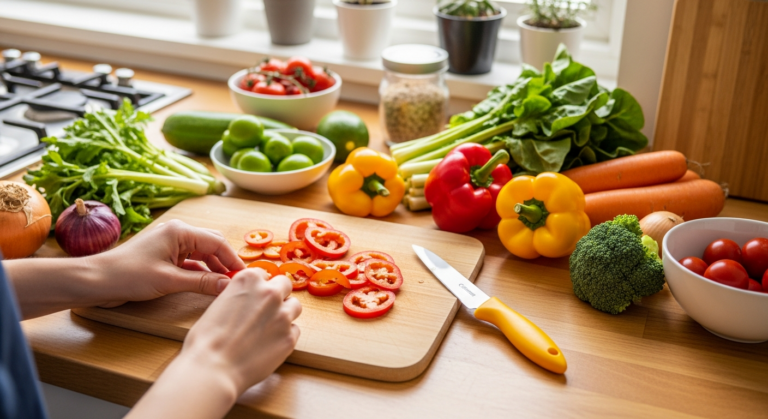
The most successful vegetable introductions in my house happen when my kids feel ownership over the process. This doesn’t have to mean elaborate garden-to-table projects—sometimes it’s as simple as letting them choose which color bell peppers to buy or having them wash the cherry tomatoes while I prep dinner.
Container gardening works even in small spaces and gives kids investment in eating what they grow. Cherry tomatoes are foolproof and prolific—one plant in a five-gallon container will produce tomatoes all summer long. Radishes grow incredibly fast (ready in just 30 days) and give kids almost instant gratification. Even herbs on a windowsill can make kids feel like contributors to family meals.
In the kitchen, age-appropriate tasks help kids feel involved without creating more work for you. Preschoolers can tear lettuce for salads, snap green beans, or use kid-safe knives to cut soft vegetables like mushrooms. Elementary-age kids can operate the salad spinner, measure ingredients, and even use a regular chef’s knife with close supervision to dice onions or chop herbs.
One strategy that’s worked consistently is letting each child choose one new vegetable to try each grocery trip. Sometimes we end up with weird choices—my daughter once picked purple cauliflower just because it was pretty—but the ownership makes them more willing to actually taste it. We look up recipes together and let the chooser help decide how to prepare their vegetable.
Making Vegetables Fun Without Making Yourself Crazy
Pinterest is full of elaborate vegetable art and character creations that look amazing but aren’t sustainable for busy families. Instead, I focus on small touches that make vegetables feel special without requiring advanced artistic skills. Cucumber “coins” become more interesting when cut with a crinkle-cut knife. Carrot sticks feel fancy when served in small individual glasses instead of thrown on a plate.
Dips change everything. Ranch dressing gets a bad rap, but if it gets kids eating raw vegetables, I’m not fighting it. I make a slightly healthier version by mixing Greek yogurt with a packet of ranch seasoning and a splash of milk. Hummus, guacamole, and even peanut butter (surprisingly good with apple slices and celery) give kids control over flavors and make vegetables feel like snack foods rather than health foods.
Building Long-Term Success: Patience and Persistence
Research shows that kids often need to be exposed to a new food 8-10 times before they’ll try it, and even more exposures before they’ll accept it as something they like. This means that “failed” attempts aren’t actually failures—they’re building familiarity. I keep a mental note (okay, sometimes actual notes on my phone) of vegetables my kids have rejected, and I reintroduce them in different forms every few weeks.
The key is keeping the pressure low. When I put a small portion of a new or previously rejected vegetable on each child’s plate, I don’t make a big announcement or demand they eat it. It’s just there, part of the meal landscape. Sometimes they ignore it completely, sometimes they’ll take a tiny taste, and occasionally they surprise me by eating the whole portion.
I’ve learned to celebrate small wins without making them into big productions. When my son ate three pieces of roasted broccoli after months of rejection, I kept my excitement internal and just casually offered him more. Making a huge deal about vegetable consumption can backfire by creating pressure and making vegetables feel like medicine rather than food.
Meal planning helps ensure vegetables appear regularly without becoming a source of dinnertime stress. I aim for at least two vegetables at every dinner, with one being something I know the kids will eat and another being either new or something they’re still learning to like. This takes the pressure off any single vegetable to be the star of the meal while ensuring consistent exposure to variety.
Remember that kids’ tastes genuinely change as they grow. My daughter, who spent age four claiming she was allergic to anything green, now requests steamed broccoli with butter and parmesan cheese. My son, who lived on goldfish crackers and plain pasta for most of kindergarten, now helps me make elaborate salads and actually gets excited about farmers market trips. Progress isn’t always linear, and that’s completely normal.
The most important thing I’ve learned is that creating positive associations with vegetables matters more than winning individual battles. A relaxed family dinner where vegetables are present but not fought over builds better long-term eating habits than forced consumption and tears. Keep offering, keep experimenting, and trust that consistency and creativity will eventually pay off in kids who see vegetables as normal, tasty parts of their meals.