The Division of Responsibility in Feeding: What It Is and How It Works
Picture this: It’s 5:30 PM on a Tuesday, and I’m standing in my kitchen watching my 4-year-old push perfectly good meatballs around his plate like they’re toxic waste, while my 7-year-old devours them like she hasn’t eaten in days. Sound familiar? For years, I thought my job as a mom was to make sure every single bite went into their mouths—coaxing, bribing, negotiating like I was running a tiny food court instead of a family dinner table.
Then I discovered something that changed everything: the Division of Responsibility in Feeding, developed by registered dietitian Ellyn Satter. This approach isn’t just another feeding strategy—it’s a complete mindset shift that turned our chaotic mealtimes into something I actually look forward to. Instead of being the food police, I became the provider, and my kids became the decision-makers of their own bodies.
The beauty of this method lies in its simplicity: parents decide what food to serve, when to serve it, and where meals happen. Kids decide how much to eat and whether to eat at all. It sounds almost too simple, but after implementing this approach for over two years, I can tell you it works like magic—and it’s backed by decades of research on child nutrition and development.
Understanding the Core Principles
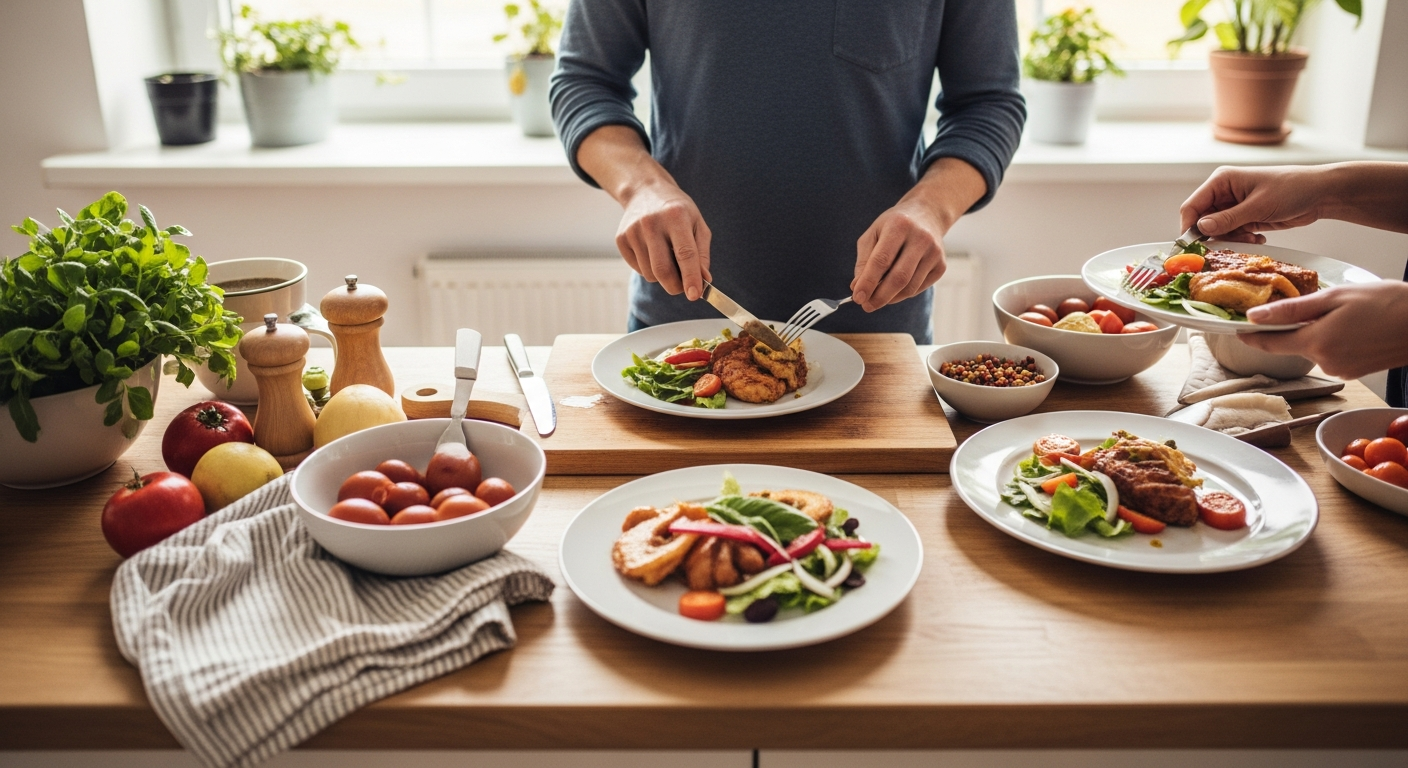
The Division of Responsibility splits feeding duties into two clear camps. As the parent, I’m responsible for the what, when, and where of eating. This means I plan our weekly menu, shop for ingredients, and prepare meals like my go-to Tuesday night dinner: herb-crusted chicken thighs with roasted sweet potatoes and steamed broccoli. I decide we’re eating at 6 PM around our kitchen table, not scattered throughout the house with devices.
My kids, on the other hand, own the how much and whether. When I place that plate of golden-brown chicken (seasoned with rosemary, thyme, and garlic powder, then baked at 425°F for 35 minutes) in front of them, they get to decide if they want three bites or the whole piece. They might devour the sweet potatoes—which I toss with olive oil and cinnamon before roasting—but completely ignore the broccoli. And that’s perfectly okay.
This division eliminates the daily battles I used to fight. No more “just one more bite” negotiations or hiding vegetables in smoothies. Instead, I focus my energy on providing nutritious, appealing options, and my kids learn to trust their own hunger and fullness cues—skills that will serve them well into adulthood.
Putting It Into Practice: Meal Planning and Preparation
The magic happens in the kitchen prep, where I ensure every meal contains something each family member can eat and enjoy. I call this my “safe food” strategy. When I’m making my Mediterranean orzo salad with cherry tomatoes, cucumber, feta, and olives, I know my olive-adverse daughter will focus on the orzo and tomatoes, while my adventurous eater will gobble up everything including the kalamata olives.
My weekly meal planning revolves around including at least one familiar, accepted food at every meal. Monday might feature homemade pizza night where I make whole wheat dough (3 cups flour, 1 packet yeast, 1 tablespoon olive oil, 1 teaspoon salt, and 1 cup warm water, kneaded for 8 minutes and risen for an hour). I set out small bowls of toppings: marinara sauce, shredded mozzarella, pepperoni, bell peppers, mushrooms, and fresh basil. Each child can build their own pizza, ensuring they have something they’ll eat while being exposed to new flavors.
Smart Shopping and Prep Strategies
I spend Sunday afternoons washing and chopping vegetables, storing them in clear containers so I can quickly assemble meals throughout the week. Bell peppers get sliced and stored with a damp paper towel, cherry tomatoes go into a breathable mesh bag, and I pre-cook grains like quinoa and brown rice in large batches. This prep work makes it possible to offer variety without spending hours in the kitchen every night.
When I’m roasting a whole chicken on Sunday (rubbed with butter, salt, pepper, and fresh thyme, roasted at 400°F for about 75 minutes), I’m already planning how the leftovers will become Tuesday’s chicken quesadillas and Wednesday’s addition to our green salad. This approach ensures I’m always offering different textures and flavors while using ingredients efficiently.
Handling Common Challenges and Resistance
The first month of implementing this approach was rough, I won’t lie. My kids tested boundaries, and there were nights when my youngest ate nothing but the dinner roll and milk. Every fiber of my being wanted to resort to the old “you can’t leave the table until you eat your vegetables” routine, but I held firm. Trust was being built—both their trust in me to provide regular, reliable meals, and my trust in their ability to self-regulate.
When my son went through a phase of eating only the pasta from my creamy mushroom and spinach penne (made with heavy cream, sautéed mushrooms, fresh spinach, and parmesan cheese), I reminded myself that he was still getting carbohydrates and the milk he drank provided protein and calcium. I kept serving the full meal, and after about two weeks, he started picking at the mushrooms, eventually asking for “the pasta with the little brown pieces.”
One game-changing strategy I developed was the “monkey see, monkey do” approach. Instead of commenting on what my kids were or weren’t eating, I focused on enjoying my own food. When I’m savoring my roasted Brussels sprouts (halved, tossed with olive oil, salt, and balsamic vinegar, then roasted at 450°F until crispy), and genuinely expressing how delicious they are, curiosity naturally follows. My enthusiastic “mmm, these are so crispy and sweet!” has led to more vegetable tastings than any amount of cajoling ever did.
Special Dietary Needs and Preferences
When my daughter was diagnosed with lactose intolerance, I adapted our meals to ensure she always had options without making separate meals. Our taco Tuesday setup expanded to include both regular shredded cheese and lactose-free alternatives, plus extra avocado and lime. I learned to make my creamy soups using coconut milk instead of dairy, discovering that my coconut curry lentil soup (red lentils simmered with coconut milk, curry powder, diced tomatoes, and spinach) became a family favorite for everyone.
Creating Positive Mealtime Environments
The where component of my responsibility extends beyond just location—it’s about creating an atmosphere where eating feels pleasant and social. I dim the harsh overhead lights and light a small candle on our dining table, even on regular weeknights. The soft glow makes our simple Tuesday dinner of baked cod with lemon and herbs feel special, and it naturally slows down our pace.
Conversation flows more easily when I’m not monitoring every bite. Instead of “eat your carrots,” we talk about our day, share funny stories, or play simple games like “would you rather eat ice cream for breakfast or pizza for dessert?” These relaxed conversations happen while I’m enjoying my herb-crusted cod (brushed with olive oil, then topped with a mixture of panko breadcrumbs, fresh parsley, lemon zest, and garlic, baked at 400°F for 12-15 minutes), and my kids are making their own choices about their identical plates.
I’ve also learned the power of family-style serving. When I make my hearty beef and vegetable stew (chunks of beef shoulder slow-cooked with carrots, celery, potatoes, and tomatoes for 3 hours until fork-tender), I bring the pot right to the table with a ladle. There’s something magical about kids serving themselves—they often take more than I would have given them, and they feel ownership over their choices.
Technology-Free Zones and Timing
Our dinner table has a strict no-phone policy, including for adults. This creates space for the kind of relaxed interaction that makes food more appealing. When my attention isn’t divided between my kids and my phone, I notice things like my daughter’s growing willingness to try new spices or my son’s preference for his vegetables cooked until just tender-crisp rather than soft.
Long-Term Benefits and What to Expect
After two years of following the Division of Responsibility, my kids have developed an adventurous palate that amazes our extended family. They willingly try new foods because there’s no pressure attached—they know they can taste something and spit it out if they don’t like it, or simply choose not to eat it. This freedom has led to delightful surprises, like the day my previously pickle-hating son asked for extra pickled cucumbers on his sandwich.
Their portion sizes naturally fluctuate based on growth spurts, activity levels, and appetite, just as they should. Some days my daughter devours two servings of my turkey and vegetable meatballs (ground turkey mixed with finely diced zucchini, carrots, and onions, seasoned with Italian herbs and baked for 25 minutes), and other days she eats just a few bites plus some bread and fruit. I’ve learned to trust that it all balances out over time.
Perhaps most importantly, mealtimes have become something we all enjoy rather than endure. There’s no tension, no battles, just family time centered around good food. When I’m serving my weekend favorite—slow-cooker pulled pork (pork shoulder rubbed with brown sugar, paprika, and cumin, cooked on low for 8 hours until it shreds easily) with homemade coleslaw—the focus is on enjoying each other’s company, not on who’s eating what.
The Division of Responsibility isn’t just about feeding kids; it’s about raising humans who have a healthy relationship with food and their own bodies. Every time I resist the urge to comment on my child’s eating and instead focus on providing another delicious, nutritious meal, I’m investing in their future ability to nourish themselves well. And honestly? It’s made me a better cook and a more relaxed parent, which is a win-win in my book.