How to Get Your Toddler to Eat Vegetables (Without Hiding Them)
This article teaches you evidence-based strategies to help your toddler eat vegetables without hiding them. You'll learn why toddlers reject veggies and how repeated, pressure-free exposure and modeling can foster healthy eating habits.
- Understand toddler veggie aversion is normal and developmental.
- Don't rely only on hiding veggies; it doesn't teach them to eat them.
- Offer vegetables repeatedly (10-15 times) without pressure or bribes.
- Model eating and enjoying vegetables yourself at family meals.
- Involve your child in age-appropriate food preparation.
This post contains affiliate links. As an Amazon Associate I earn from qualifying purchases.
Every parent knows the toddler vegetable standoff. You place a beautiful piece of broccoli on their plate with hope in your heart, and they look at you like you’ve just served them poison. The broccoli gets pushed around, thrown on the floor, or declared “yucky” without a single bite taken.
I’ve been in the veggie trenches, and I’m here to tell you: it’s possible to raise a vegetable eater without resorting to pureeing spinach into brownies for the rest of your life. Hidden veggies have their place, but they shouldn’t be your only strategy.
Here’s how to actually help your toddler learn to eat—and maybe even enjoy—vegetables.
In this article (9 sections)
Why Toddlers Reject Vegetables
Before we fix the problem, let’s understand it. Toddler vegetable aversion isn’t about being difficult—it’s actually developmentally normal.
Neophobia is real: Around age 2, children develop a natural wariness of new foods. This was evolutionarily protective—cave toddlers who didn’t eat random plants were more likely to survive.
Bitter tastes are rejected: Many vegetables taste bitter, and humans are hardwired to avoid bitter flavors (which can signal poison in nature). Toddlers have more taste buds than adults, so bitter tastes are even more intense for them.
Control is everything: Toddlers are in the thick of developing autonomy. Saying “no” to food is one way they assert control over their small world.
It’s not personal: When your toddler rejects the vegetables you lovingly prepared, they’re not rejecting you. They’re responding to instinct and developmental stages.
Understanding this helps us approach the situation with patience instead of frustration. This is a phase to work through, not a battle to win.
The Problem with Only Hiding Vegetables
Don’t get me wrong—sneaking vegetables into sauces and smoothies is a fine short-term strategy for getting nutrients in. I’ve grated zucchini into more muffin batters than I can count.
But here’s the issue with making hidden veggies your only approach:
It doesn’t teach them to eat vegetables: If they never see or taste actual vegetables, they never learn to like them. You’ll still be pureeing spinach when they’re twelve.
It can backfire: If kids discover you’ve been hiding vegetables, they may lose trust in food—and become even more suspicious of eating anything.
It’s exhausting: Maintaining elaborate veggie-hiding operations forever is not sustainable.
The goal isn’t just nutrition—it’s raising a person who will eventually choose to eat vegetables on their own. That requires actual exposure to actual vegetables.
Picky Eater Meal Plan: 7 Days of Kid-Approved Dinners
Evidence-Based Strategies That Actually Work
Research on childhood eating habits has given us some real strategies. They require patience, but they work.
1. Repeated Exposure Without Pressure
This is the most powerful tool in your vegetable arsenal. Studies show it can take 10-15 exposures (or more) before a child accepts a new food. Most parents give up after 3-5.
What repeated exposure looks like:
- Put a small portion of vegetables on their plate at meals
- Don’t comment on whether they eat it
- Don’t force them to try it
- Don’t bribe, negotiate, or make it a thing
- Just keep offering it, meal after meal
Each time they see that food without pressure, it becomes more familiar and less threatening. Eventually, curiosity wins.
2. Model Eating Vegetables Yourself
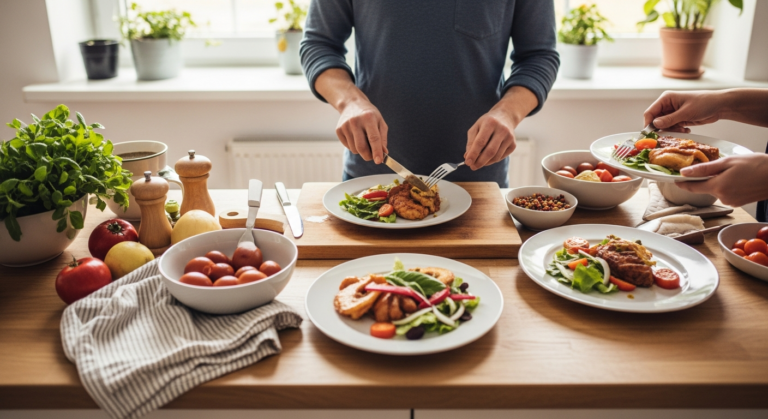
Toddlers learn by watching. If they see you eating and enjoying vegetables regularly, they’re more likely to try them. This means:
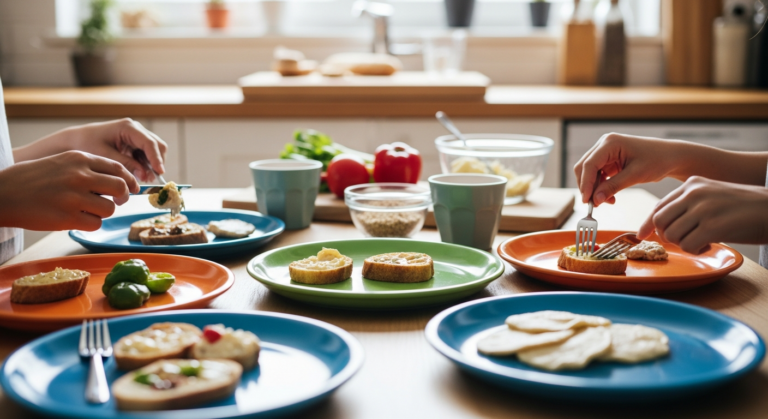
- Eating meals together as a family
- Actually eating vegetables yourself (not just serving them)
- Making positive comments about your food without directing them at your child
- Not making separate “kid food” and “adult food”
Saying “mmm, I love these carrots” while eating is more effective than “try your carrots, they’re good for you.”
3. Get Them Involved
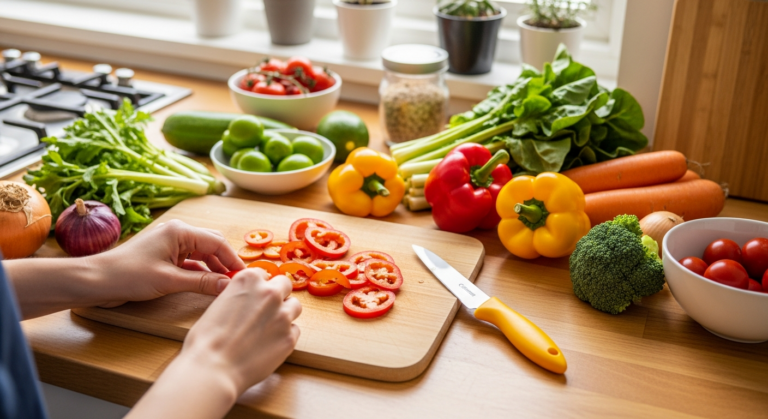
Children are more invested in food they’ve helped prepare. Age-appropriate involvement might include:
- Choosing vegetables at the grocery store
- Washing produce
- Tearing lettuce leaves
- Stirring ingredients
- Picking herbs from a garden
- Using kid-safe tools to cut soft foods
Even a 2-year-old can put cherry tomatoes in a bowl or wash snap peas. That ownership translates to the table.
4. Offer Vegetables First
Serve vegetables when your toddler is hungriest—at the beginning of the meal, before other foods hit the plate. A hungry toddler is more open-minded than a toddler who’s already eaten bread.
You can also offer vegetables as snacks between meals, when hunger isn’t competing with more appealing options on the plate.
5. Make Vegetables Accessible
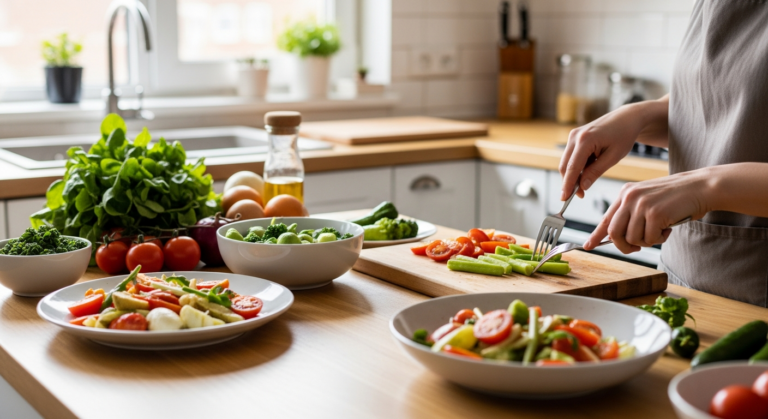
Keep cut vegetables at toddler eye level in the refrigerator. Serve vegetables with dips (ranch, hummus, yogurt-based dips) to make them more appealing. Present them in fun ways—though you don’t need to make elaborate vegetable art every meal.
Simple fun ideas:
- Cherry tomatoes in a tiny bowl
- Cucumber “coins”
- Carrot “swords”
- Broccoli “trees”
- Bell pepper “boats”
Sometimes different shapes or presentations are all it takes.
The Best Vegetables for Picky Toddlers
Not all vegetables are created equal in the eyes of a toddler. Start with naturally sweeter, milder options before working up to the bitter stuff.
Usually well-accepted:
- Sweet potato (roasted, mashed)
- Carrots (raw with dip, roasted sweet)
- Corn (on the cob is fun)
- Peas (frozen peas are a surprise hit with many toddlers)
- Cucumbers (mild and crunchy)
- Red bell peppers (sweeter than green)
- Cherry tomatoes (some kids love them)
- Avocado (technically a fruit, but counts)
Medium difficulty:
- Zucchini (especially roasted or in fritters)
- Green beans (roasted crispy)
- Butternut squash (sweet and mild)
- Cauliflower (roasted with cheese)
- Snap peas (sweet and crunchy)
Advanced level:
- Broccoli (often takes many exposures)
- Spinach and leafy greens
- Brussels sprouts
- Mushrooms
- Asparagus
Start where your toddler is, not where you wish they were.
Toddler Snack Ideas: 40 Healthy Options They Will Actually Eat
Recipes That Help Toddlers Learn to Love Veggies
Sheet Pan Roasted Vegetable Medley
Roasting brings out natural sweetness. Cut carrots, sweet potatoes, and zucchini into similar-sized pieces. Toss with olive oil and a tiny bit of salt. Roast at 400°F until caramelized. The crispy edges are often a selling point.
Veggie-Loaded Pasta Sauce (Semi-Hidden)
This is a bridge strategy—vegetables are visible but blended into a familiar format. Sauté diced zucchini, carrots, and bell peppers until soft. Add jarred marinara and simmer. Blend partially so some chunks remain visible. Serve over pasta with cheese.
Rainbow Veggie Quesadillas
Finely diced bell peppers (multiple colors), corn, and black beans with cheese in a tortilla. Kids can see the vegetables but they’re in a familiar, cheesy package.
Smoothie Bowls with Veggie Toppings
Blend a fruit smoothie, pour into a bowl, and let your toddler add their own toppings including vegetables like cucumber slices or shredded carrots. They might just eat them.
Veggie Dip Party
Arrange several vegetables with multiple dip options. Let your toddler choose what to dip in what. Autonomy makes everything taste better.
What NOT to Do
These common tactics often backfire:
Don’t force bites: “You can’t leave the table until you try one bite” creates negative associations with food and eating.
Don’t bribe with dessert: “Eat your vegetables and you can have ice cream” teaches kids that vegetables are the obstacle to the good stuff.
Don’t make separate meals: If they learn that refusing dinner means getting something else, they’ll keep refusing.
Don’t pressure or praise excessively: Both create stress around eating. Food should be neutral, not a performance.
Don’t give up too soon: Remember, it takes many exposures. Keep offering without expectation.
When to Worry (and When Not To)
Normal toddler pickiness:
- Rejecting vegetables but eating enough of other foods
- Having good energy and normal growth
- Eating a few vegetables, even if the same ones over and over
- Being willing to at least look at or touch new foods
Signs to talk to your pediatrician:
- Eating fewer than 20 total foods
- Refusing entire food groups (not just vegetables)
- Gagging or vomiting with certain textures
- Weight loss or failure to grow
- Extreme distress around mealtimes
Most vegetable rejection is developmental and will improve with time and patience.
Mama Munch
Mama Munch is a food-obsessed parent of two who believes every family deserves simple, nutritious meals — even on the busiest weeknights. With a background in nutrition education and years of navigating picky eaters, allergies, and toddler taste buds, she creates practical recipes and meal strategies that actually work for real families.
Frequently Asked Questions
At what age do toddlers start accepting more vegetables?
Many children naturally become more adventurous eaters between ages 5-7. The neophobia peak is usually around ages 2-6. Continue offering vegetables through this phase—it does get easier.
Should I just let them eat what they want?
You decide what foods are offered and when; they decide whether to eat and how much. Offer balanced meals with at least one “safe” food, but don’t make separate kid meals.
My toddler only eats carbs. Is that okay?
Many toddlers go through phases of preferring carbs. Keep offering variety without pressure. Make sure the carbs include some nutrition (whole grains, fortified cereals) and keep offering proteins and vegetables alongside.
Do vegetable pouches count?
Pouches are fine occasionally, but they don’t teach your child to eat actual vegetables with different textures. Use them as a supplement, not a replacement.
Conclusion
Getting your toddler to eat vegetables is a marathon, not a sprint. The strategies that work—repeated exposure, modeling, involvement, and patience—aren’t quick fixes, but they build genuine acceptance that lasts.
Focus on creating positive mealtime experiences rather than fighting vegetable battles. Keep offering a variety of vegetables without pressure. And remember: this phase won’t last forever, even though it feels like it will.
You’ve got this. And someday, your teenager might actually ask for a salad.
Picky Eater Meal Plan: 7 Days of Kid-Approved Dinners
—