Hidden Veggie Recipes: Sneaky Ways to Add Nutrition
Discover how to easily add nutrition to your kids' meals with 10 hidden veggie recipes and a free printable kit. You'll learn which vegetables hide best, how to make purees, and tips for calmer mealtimes.
- Get 10 hidden veggie recipes for toddlers and older kids.
- Download a free 6-page Hidden Veggie Kit with recipes and a planner.
- Learn why hidden veggies add nutrition and create calmer mealtimes.
- Discover the best mild, sweet vegetables to hide and how to prep them.
- Follow steps to make smooth vegetable purees for invisible blending.
This post contains affiliate links. As an Amazon Associate I earn from qualifying purchases.
Some nights the broccoli goes untouched and the pasta sauce is the only vegetable that makes it into little mouths. That’s okay. Hiding vegetables isn’t a failure, it’s one tool among several.
Below are 10 hidden veggie recipes for toddlers and older kids, from sneaky marinara to black bean brownies. You’ll also find puree prep, safe storage and safety tips by age.
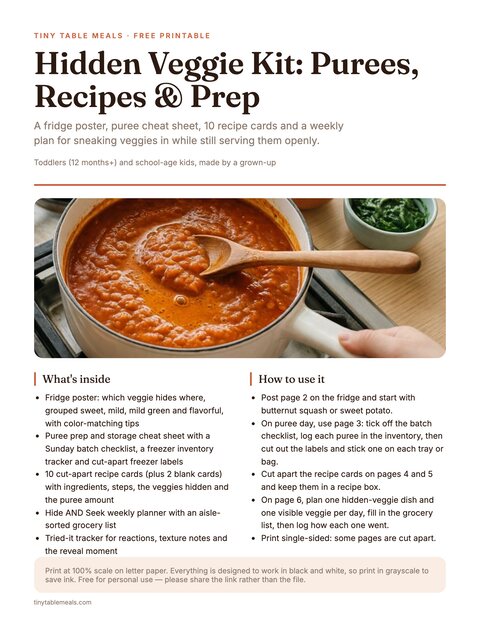
Free printable · 6 pages
Hidden Veggie Kit: Purees, Recipes & Plan
A fridge poster of which veggie hides where, a puree prep sheet with a Sunday batch checklist, inventory tracker and cut-apart freezer labels, 10 cut-apart recipe cards plus 2 blank ones, a Hide AND Seek weekly planner with an aisle-sorted grocery list, and a tried-it tracker with a reveal-moment box.
Free. Your download link appears right here. You'll also join the Sunday Supper Plan. Unsubscribe anytime. Privacy
These recipes tuck vegetables into foods kids already love, usually without changing the taste or texture. I still serve visible veggies alongside them.
In this article (7 sections)
Why Hide Vegetables in Kids’ Food?
Extra nutrition: Hidden veggies can add a little extra nutrition during picky phases. A few spoonfuls of puree won’t replace a plate of vegetables, but it adds up.
Calmer meals: When the carrots are already in the sauce, there’s less to negotiate at the table.
A supplement, not a substitute: Hidden vegetables add nutrition, but they don’t teach kids to like vegetables. Seeing and tasting visible ones again and again, without pressure, is what builds acceptance. Our guides on introducing new foods without pressure and getting toddlers to eat vegetables cover that side.
Know when to get help: Picky phases can last a while. Talk to your pediatrician or a dietitian if pickiness is extreme, growth is slow, or your child’s diet is very limited.
Best Vegetables to Hide in Kids’ Meals
Start with mild, naturally sweet vegetables, then work up to stronger ones.
| Vegetable | Hides best in | Color and flavor | Prep tip |
|---|---|---|---|
| Sweet potato | Pizza dough, pancakes, mac and cheese | Orange, sweet | Roast, then blend smooth |
| Butternut squash | Mac and cheese, sauces | Orange, sweet | Steam until very soft |
| Carrot | Marinara, meatballs, oatmeal | Orange, sweet | Steam, then blend very smooth |
| Cauliflower | Alfredo, mac and cheese | White, mild | Steam until very soft |
| Zucchini | Brownies, muffins, meatballs, sauces | Mild; peel it to cut the green | Grate finely or puree |
| Spinach | Smoothies, tomato sauces, meatballs | Green, mild | Fine for ages 12 months+; see the nitrate note below for babies |
| Peas | Savory dishes, sauces | Green, slightly sweet | Blend with a little water, strain if needed |
| Beets | Chocolate baked goods, smoothies | Deep red, earthy | Use sparingly, the color is strong |
| Avocado | Smoothies, creamy sauces | Pale green, creamy | Blend right before serving |
| Pumpkin | Pancakes, baked goods | Orange, mild | Use plain pumpkin puree, not pie filling |
Tomatoes, bell peppers, onions and mushrooms also disappear well into sauces. Broccoli can be pureed into cheese sauces, though it may tint them green.
How to Make Vegetable Purees to Hide in Food
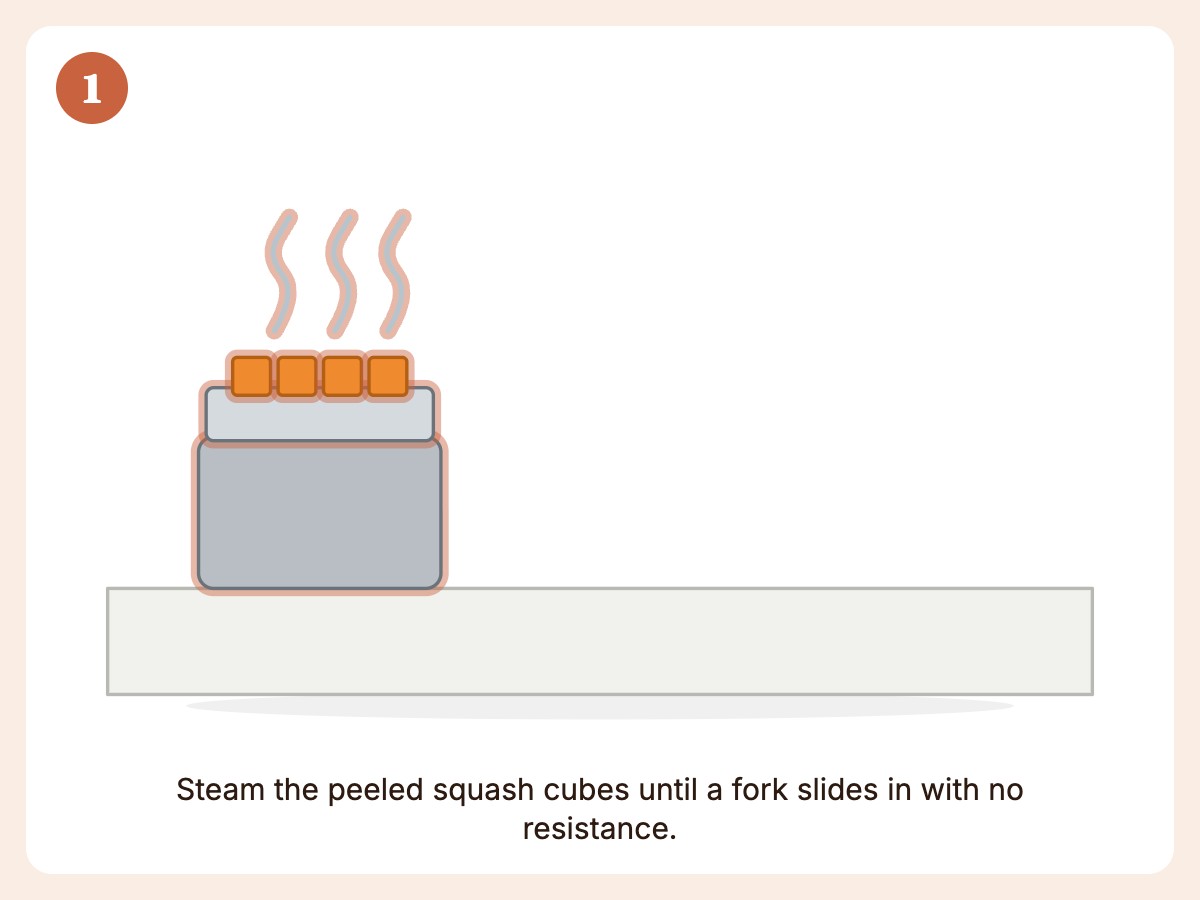
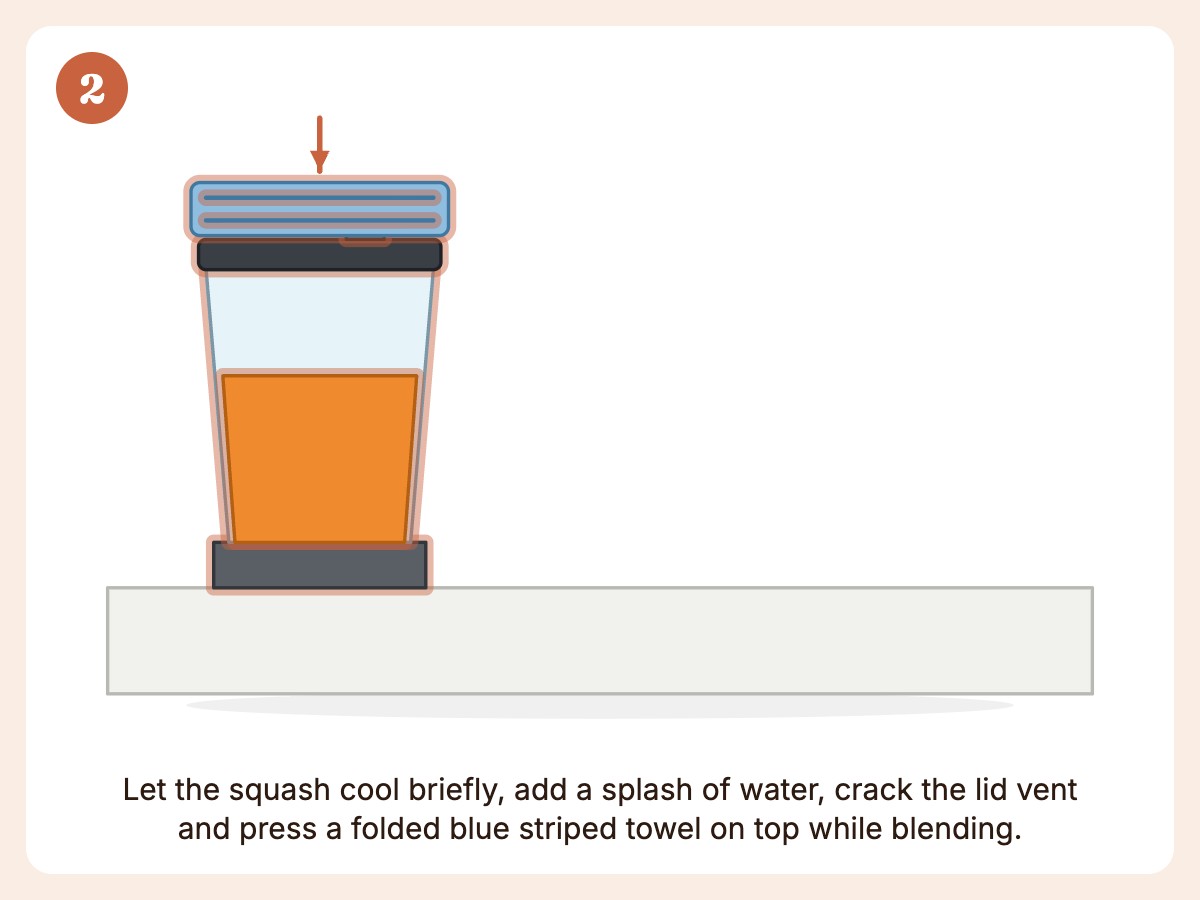
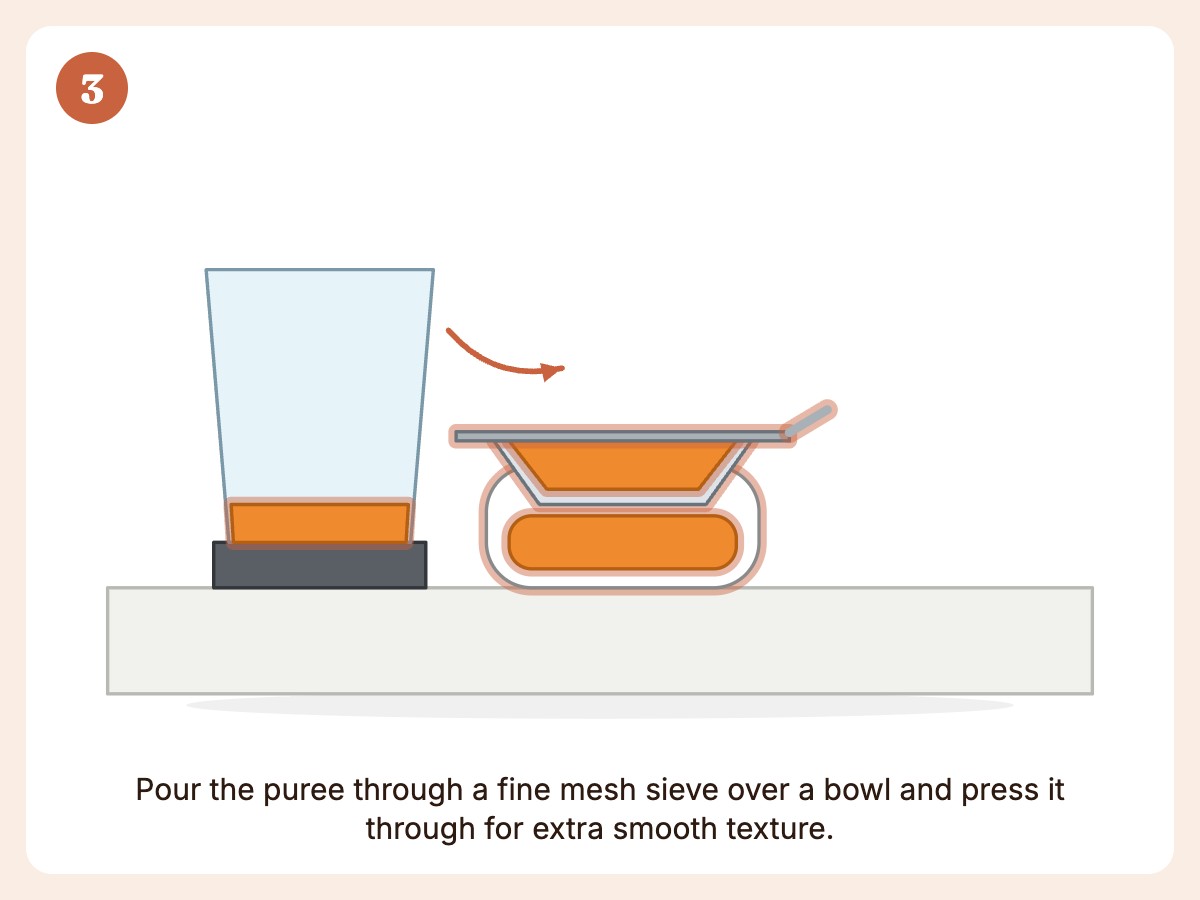
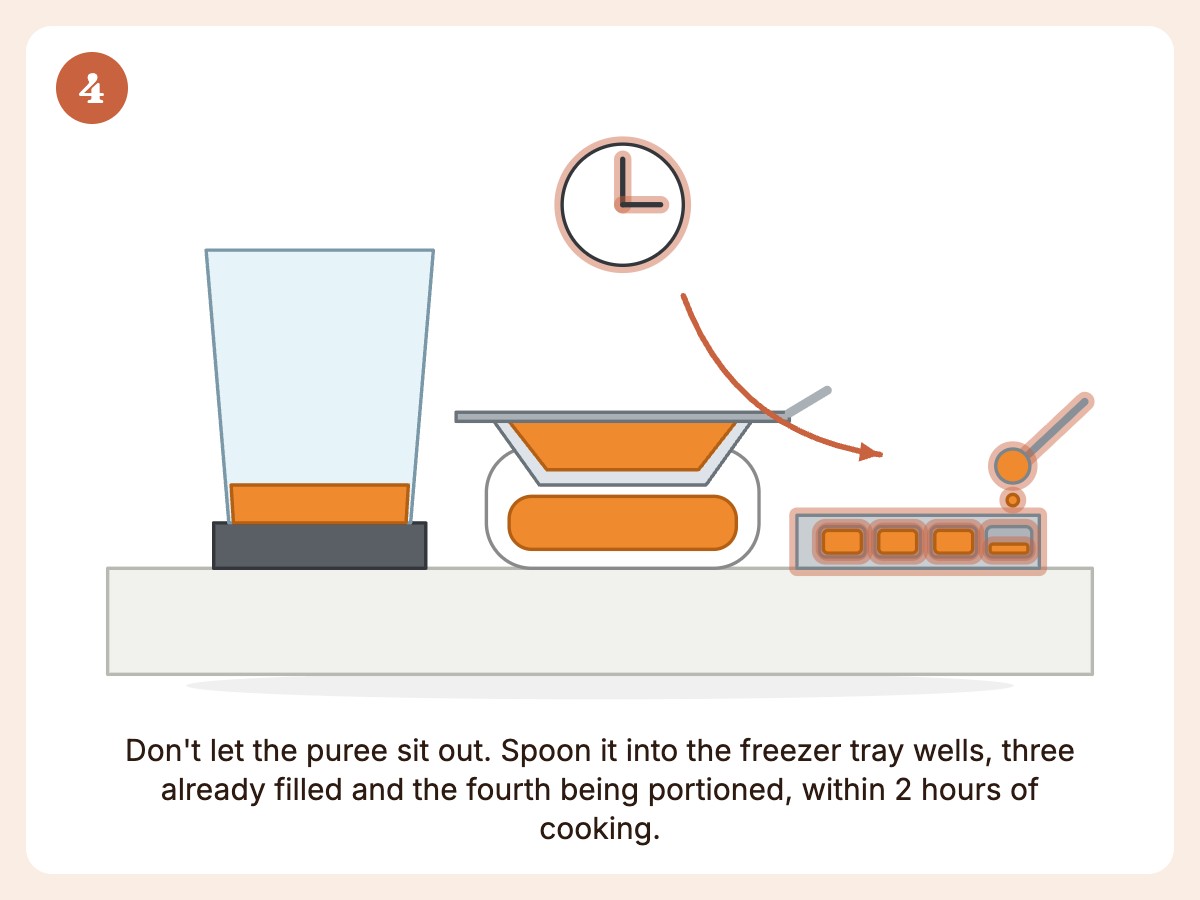
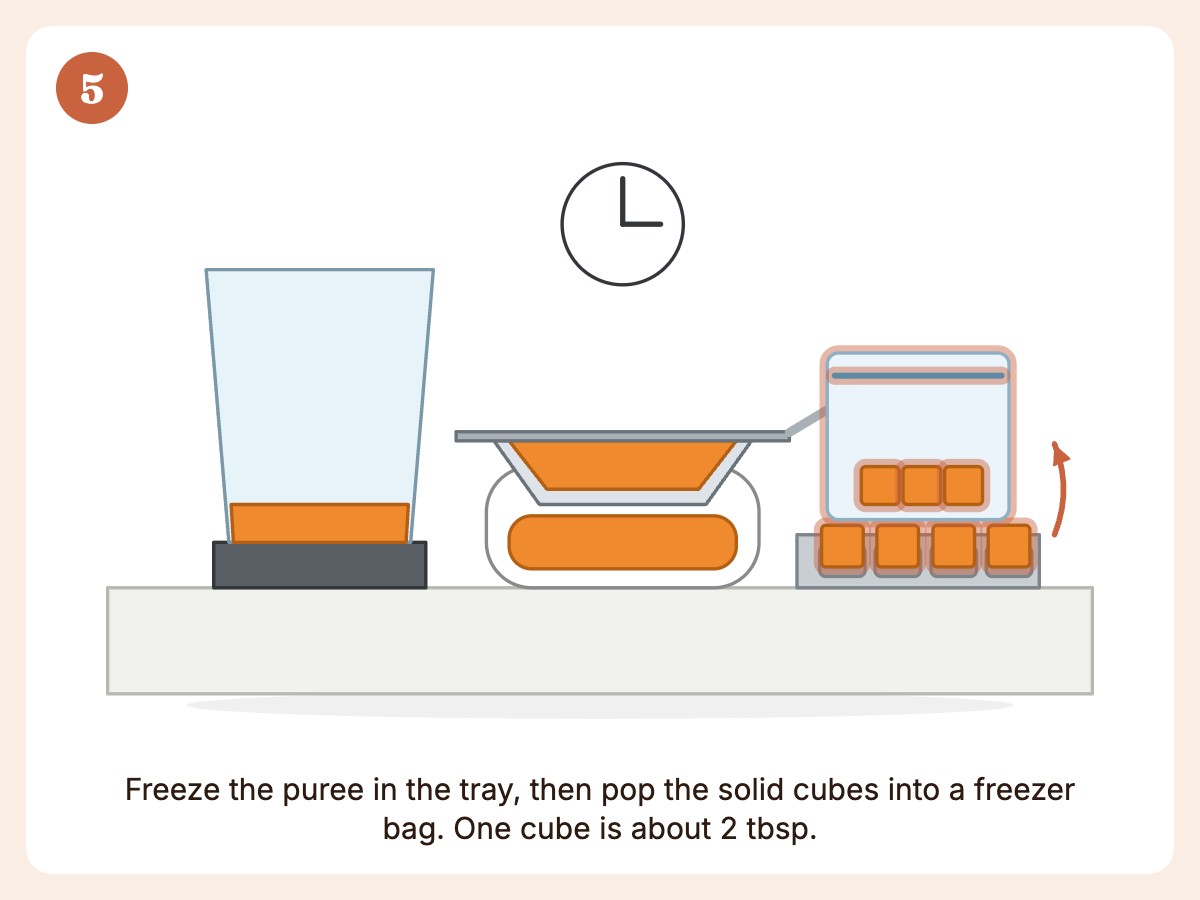
Smooth purees are the foundation of hidden veggie cooking, because they blend invisibly into recipes.
- Cook until very soft. Steam or roast the vegetables.
- Blend smooth. Add a small amount of water. Let hot vegetables cool a few minutes first, vent the lid, and hold a towel over it while blending.
- Strain if needed. Texture-sensitive kids can spot bits, so strain for them.
- Cool fast. Refrigerate or freeze within 2 hours of cooking.
- Portion. Freeze in ice cube trays, then move the cubes to freezer bags.
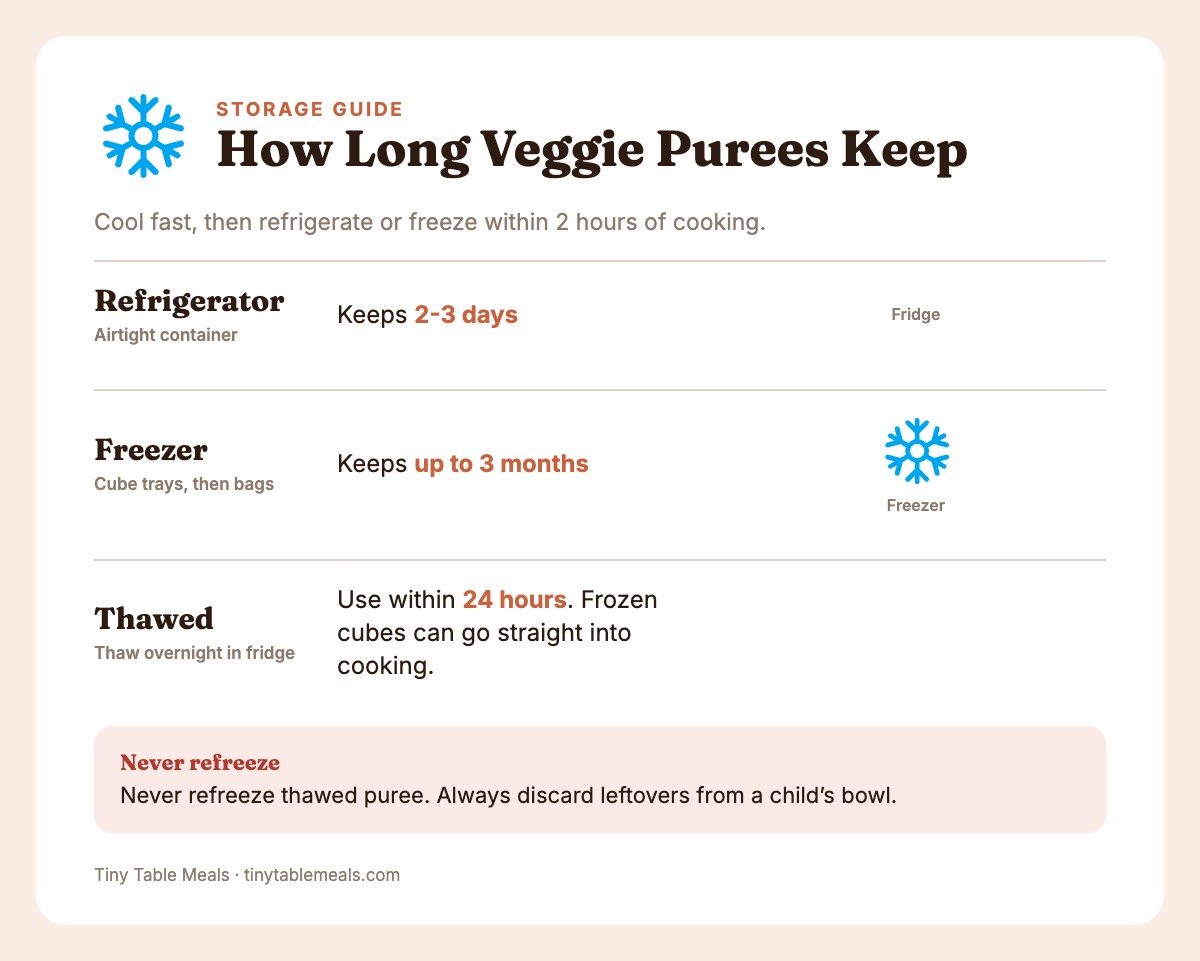
Puree Storage Guide
| Where | How long | Notes |
|---|---|---|
| Refrigerator | 2-3 days | Airtight container |
| Freezer | Up to 3 months | Ice cube trays, then freezer bags |
| Thawed | Use within 24 hours | Thaw overnight in the fridge. You can also add frozen cubes straight into cooking. Never refreeze thawed puree. |
Good to knowThese recipes are for ages 12 months and up, and the storage times above are fine at that age. Feeding a baby under 12 months? Follow the baby food guide linked below, and ask your pediatrician about nitrate-containing vegetables such as spinach, beets, carrots and squash.
Always discard leftovers from a child’s bowl.
Puree Portions
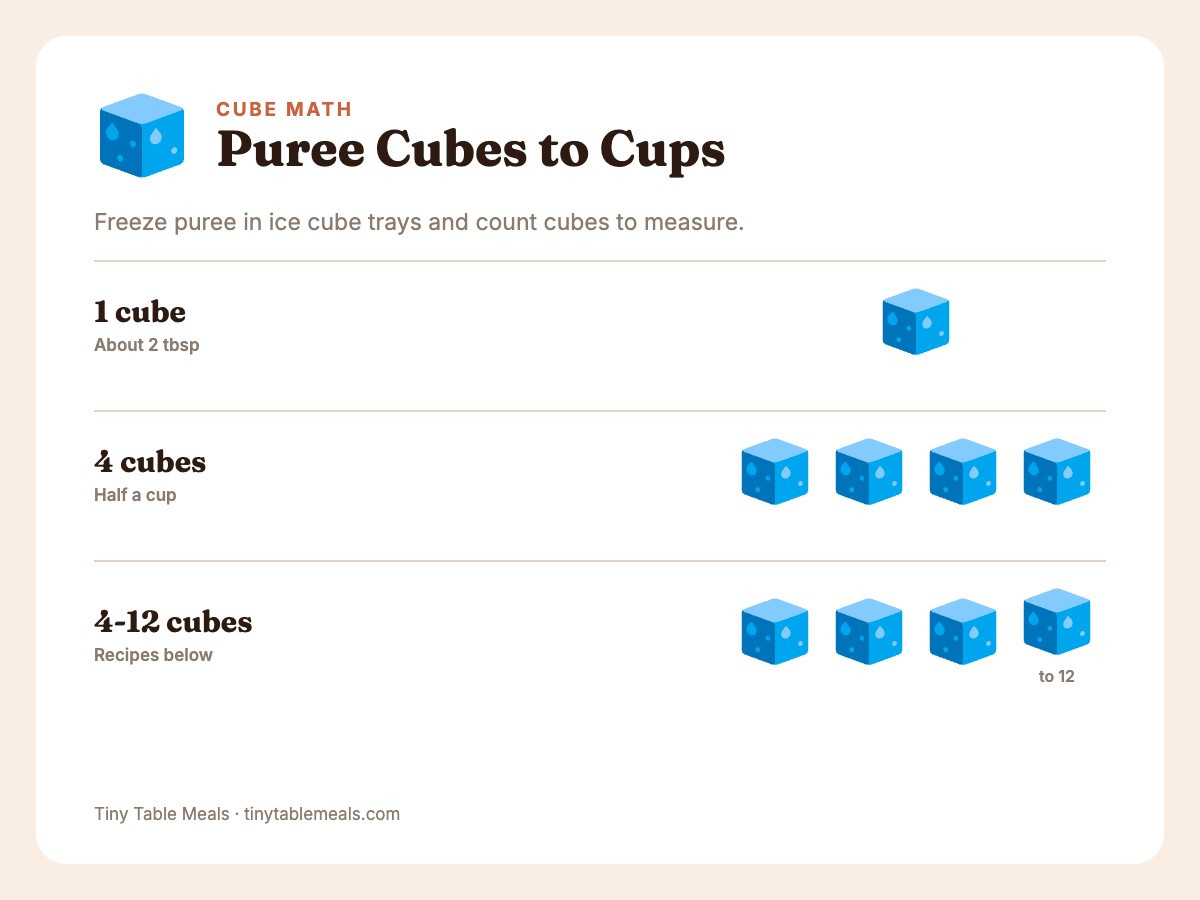
One ice cube is about 2 tablespoons, so 1/2 cup is 4 cubes. The recipes below use 4-12 cubes.
Need purees for younger babies? See our Easy Homemade Baby Food Recipes: Stage 1-3 Complete Guide. You can track what they try with our first foods checklist.
Hidden Veggie Recipes for Picky Eaters
| Recipe | Hides | Time | Age | Freezer-friendly |
|---|---|---|---|---|
| Sneaky Marinara Sauce | Carrots, zucchini, spinach, red pepper | 25 min | 12 months+ | Yes |
| Veggie Mac and Cheese | Butternut squash, cauliflower | 20 min | 12 months+ | No |
| Black Bean Brownies | Black beans, zucchini | 40 min | 2+ | Yes |
| Pumpkin Pancakes | Pumpkin, carrot | 20 min | 12 months+ | Yes |
| Green Monster Smoothie | Spinach, avocado | 5 min | 12 months+ | No |
| Sneaky Meatballs | Zucchini, spinach, carrots | 35 min | 12 months+ | Yes |
| Cauliflower Alfredo | Cauliflower | 20 min | 12 months+ | No |
| Pizza Dough with Sweet Potato | Sweet potato | 2 hr | 12 months+ | Baked crust |
| Chocolate Zucchini Muffins | Zucchini | 35 min | 2+ | Yes |
| Carrot Cake Oatmeal | Carrots | 10 min | 12 months+ | No |
Safety first
- Honey, milk and juice: No honey under 12 months. Cow’s milk as a drink waits until 12 months (cooked into food earlier is fine, per your pediatrician). Skip juice and offer whole fruit instead.
- Choking hazards under 4: Cut meatballs small. Serve carrots only cooked soft or finely grated until age 4. Chop raisins and chocolate chips, and skip whole nuts.
- Raw batter and meat: No tasting. Wash hands and surfaces after handling raw egg or meat.
- Salt: Keep it minimal for toddlers and choose low-sodium canned goods.
Good to knowMany of these recipes contain milk, egg or wheat, so introduce each new food on its own first. Our guide to introducing allergens to babies explains how.
Ask your pediatrician first if your baby has eczema or a food allergy. For younger babies, see our first finger foods guide.
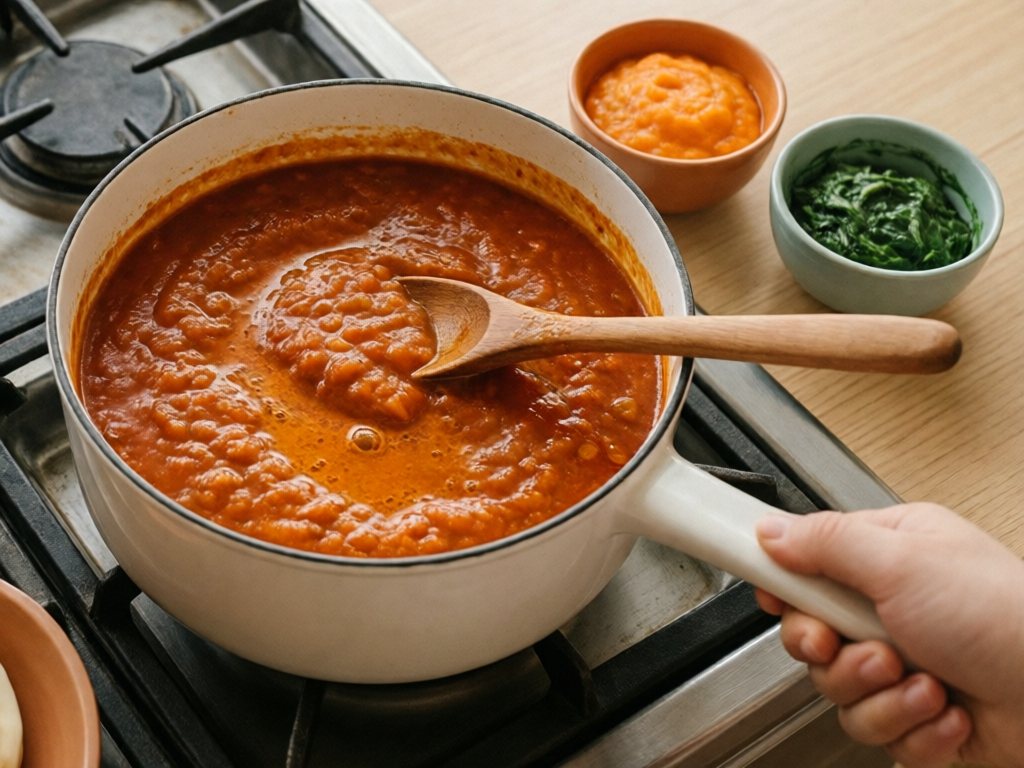
Sneaky Marinara Sauce
Ingredients:
- 1 can (28 oz) crushed tomatoes
- 1/2 cup carrot puree
- 1/2 cup zucchini puree
- 1/4 cup spinach puree
- 1/4 cup roasted red bell pepper puree
- 2 cloves garlic, minced
- 1 tsp Italian seasoning
- A pinch of salt (optional)
- 1 tsp sugar (cuts acidity, optional)
Instructions:
- Combine all ingredients in a saucepan over medium-low heat.
- Simmer 20 minutes, stirring occasionally.
- Blend if you want extra smoothness.
- Use on pasta, pizza or meatballs, or as a dipping sauce.
Make-ahead: Refrigerate up to 3 days. Or freeze in portions up to 3 months for quick pasta nights.
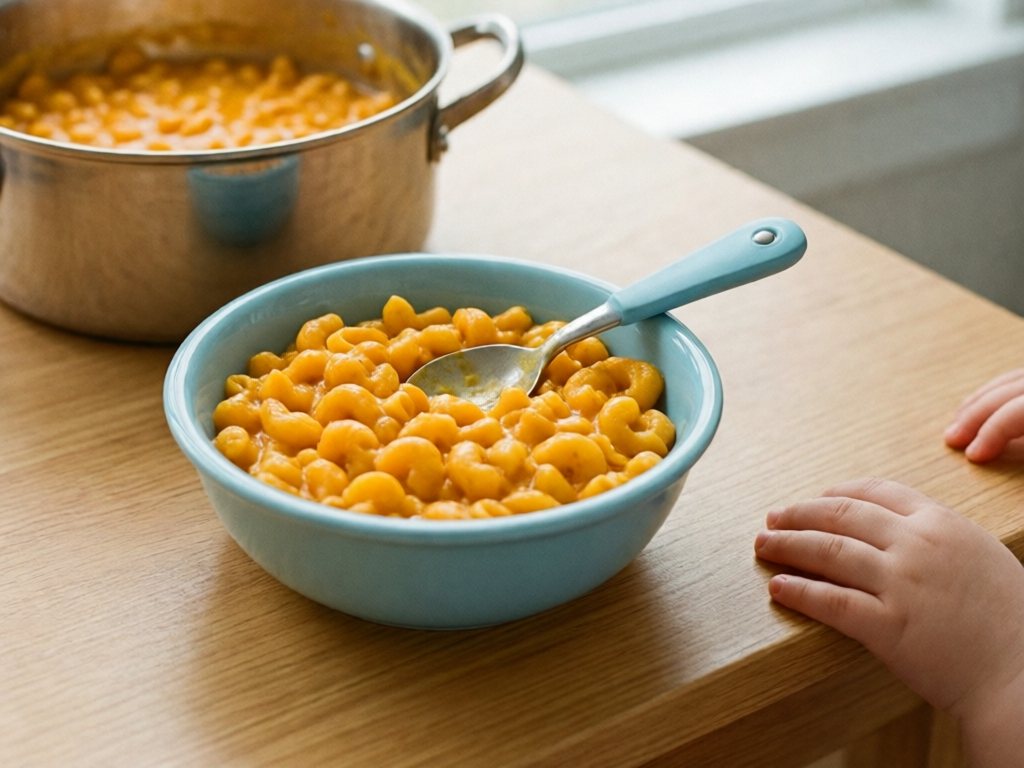
Veggie Mac and Cheese
Ingredients:
- 8 oz (225 g) dry macaroni, cooked
- 2 cups shredded cheddar cheese
- 1 cup milk
- 1/2 cup butternut squash puree
- 1/2 cup cauliflower puree
- 2 tbsp butter
- Pepper and a pinch of salt (optional)
Instructions:
- Melt the butter in a saucepan.
- Add milk, squash puree, and cauliflower puree. Warm over medium-low heat until steaming.
- Stir in the cheese until melted. The sauce should coat the back of a spoon.
- Toss with the cooked macaroni.
Why it works: The squash adds creaminess and boosts the orange color kids expect.
Storage: Refrigerate leftovers up to 3 days. Reheat gently with a splash of milk. It doesn’t freeze well.
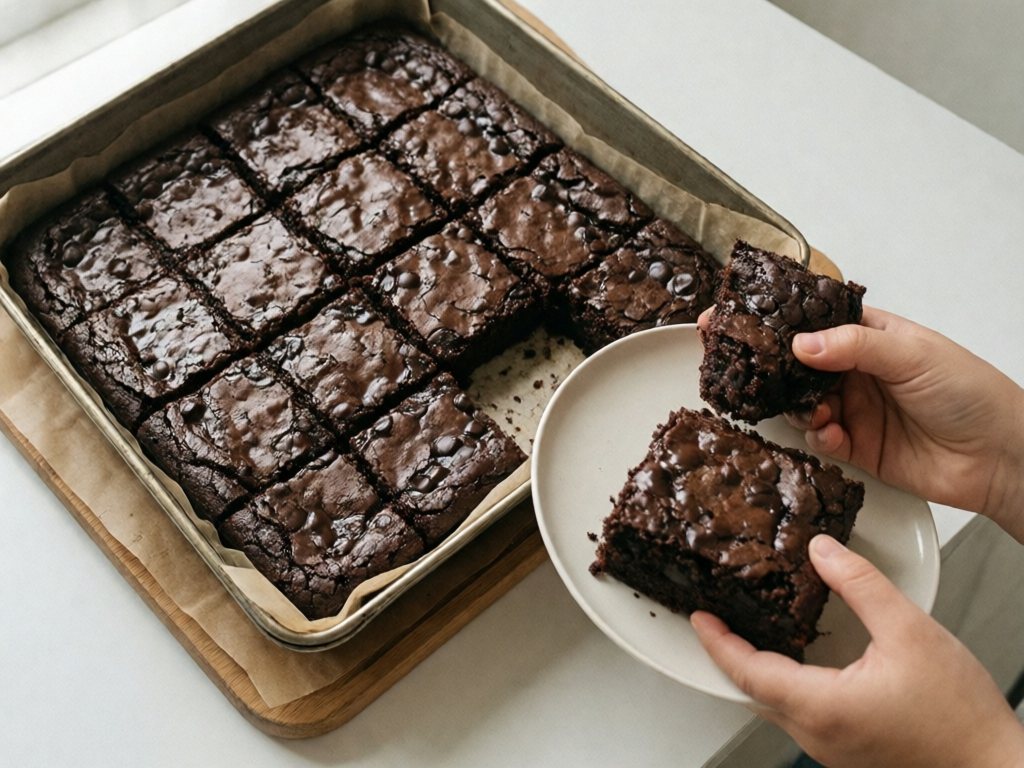
Black Bean Brownies
Ingredients:
- 1 can (15 oz) low-sodium black beans, drained and rinsed
- 1/2 cup zucchini puree
- 1/3 cup cocoa powder
- 1/2 cup sugar (or 1/3 cup maple syrup)
- 3 tbsp coconut oil, melted
- 1 tsp vanilla
- 1/2 tsp baking powder
- Pinch of salt
- 1/2 cup mini chocolate chips (optional; chop them for kids under 4)
Instructions:
- Blend beans, zucchini, cocoa, sugar, oil, and vanilla until smooth.
- Stir in baking powder and salt.
- Fold in the chocolate chips.
- Pour into a greased 8×8 pan.
- Bake at 350°F for 25-30 minutes, until a toothpick comes out with a few moist crumbs.
Taste test: These taste like fudgy brownies. The beans add protein and fiber, and the zucchini adds moisture.
They’re still a real dessert. Along with the chocolate muffins, they’re the sweetest recipes here, which is why I label them 2+.
In the other recipes, added sugar is optional or just a teaspoon for the whole batch. I leave the optional sweeteners out for kids under 2.
Storage: Store covered at room temperature up to 2 days, or refrigerate up to 5 days. They also freeze up to 3 months.
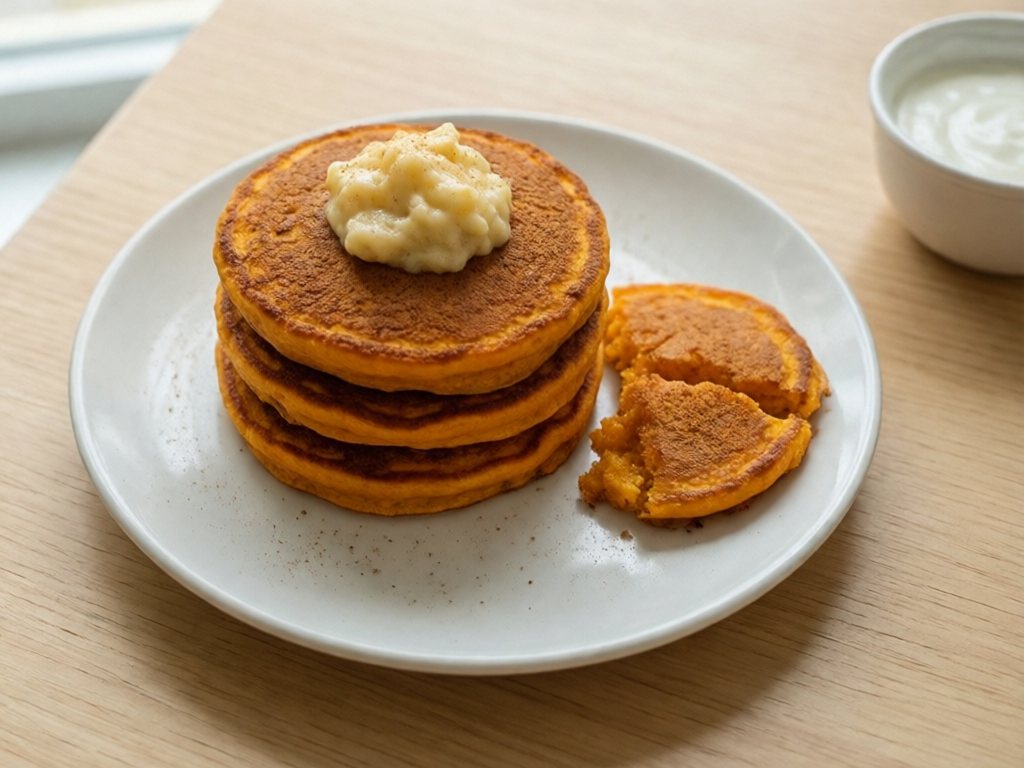
Pumpkin Pancakes
Ingredients:
- 1 cup flour
- 1 tbsp sugar
- 1 tsp baking powder
- 1/2 tsp cinnamon
- 1/2 cup pumpkin puree
- 1/4 cup carrot puree (optional)
- 3/4 cup milk
- 1 egg
- 2 tbsp melted butter
Instructions:
- Mix the dry ingredients.
- Whisk the wet ingredients separately.
- Combine until just mixed. Lumps are okay.
- Cook on a griddle over medium heat until bubbles form, about 2 minutes per side.
Serving tip: For kids under 2, top with mashed banana or plain yogurt. Kids 2 and up can have a tiny bit of maple syrup.
The tablespoon of sugar in the batter is optional. I leave it out for under 2s, and the pumpkin and cinnamon carry the flavor.
Storage: Cooled pancakes keep 3 days in the fridge or up to 3 months in the freezer. Reheat in a toaster.
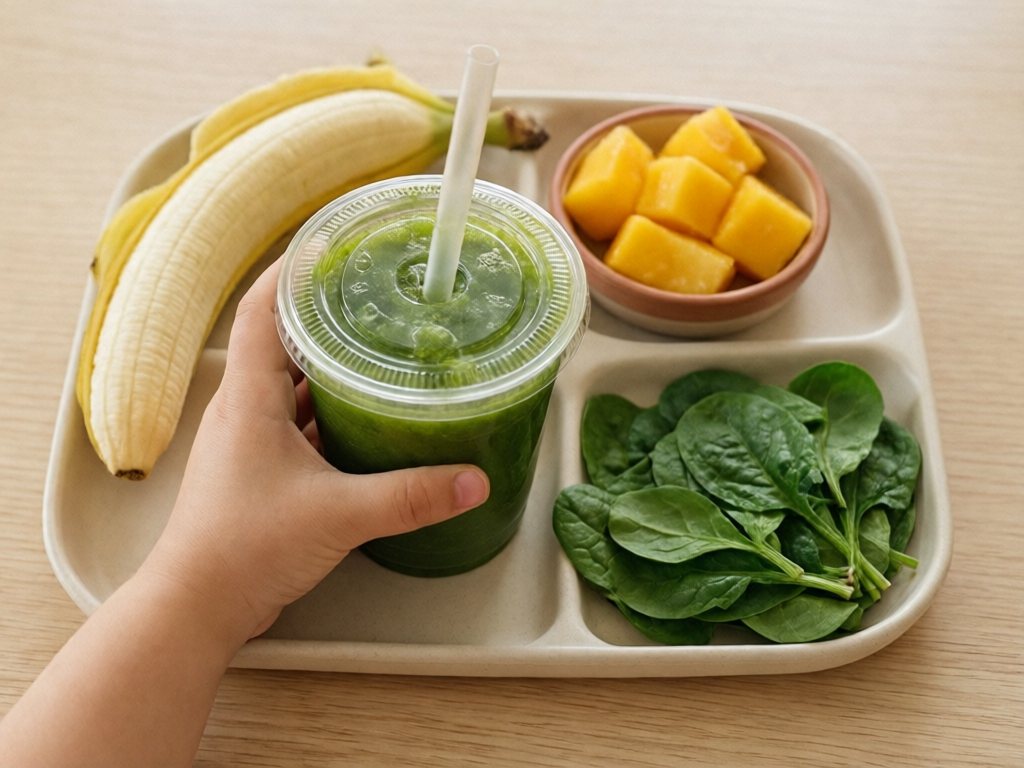
Green Monster Smoothie
Ingredients:
- 1 banana
- 1 cup frozen mango
- 1 large handful spinach
- 1/4 avocado
- 1 cup milk
- 1 tsp maple syrup (optional, for ages 2+; a ripe banana is usually sweet enough)
Instructions:
Blend all ingredients until completely smooth, with no frozen chunks left. Supervise toddlers while they drink.
Color warning: This is green. Serve it in a fun cup with a lid and call it “Hulk Juice” or “Dinosaur Drink.” Embrace the color rather than hiding it. Some kids think green drinks are cool.
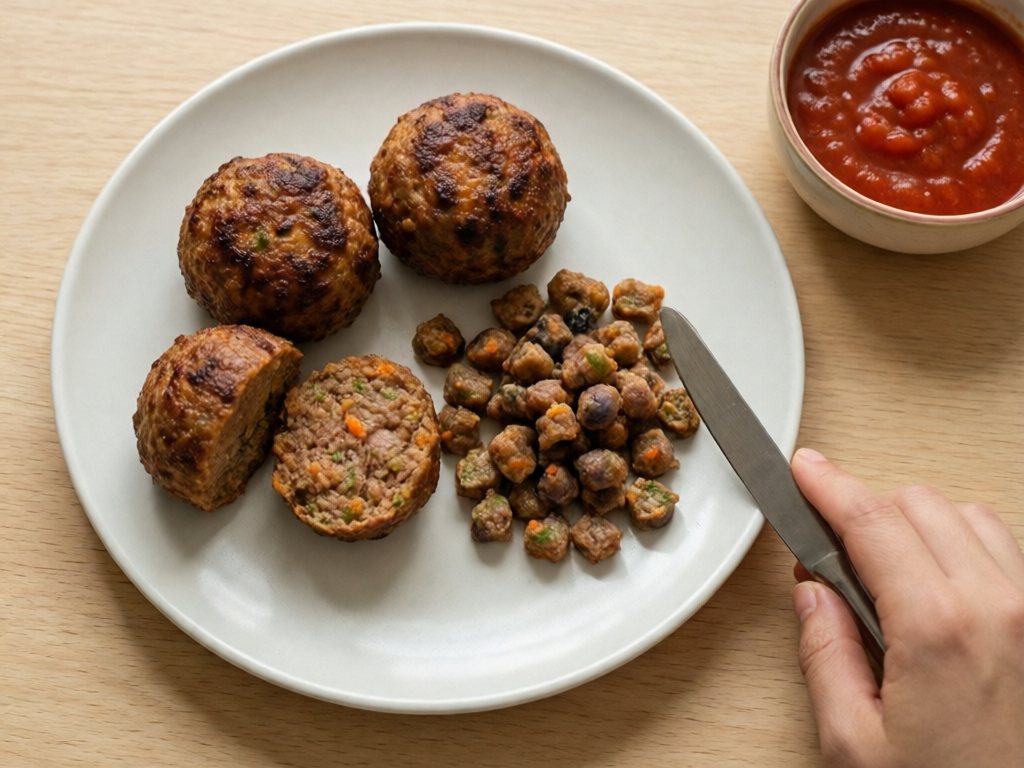
Sneaky Meatballs
Ingredients:
- 1 lb ground beef or turkey
- 1/2 cup vegetable puree (any combo)
- 1/4 cup breadcrumbs
- 1 egg
- 1/4 cup parmesan cheese
- 1/2 tsp garlic powder
- Pepper and a pinch of salt (optional)
Instructions:
- Mix all ingredients thoroughly.
- Form into balls about 1.5 inches wide.
- Bake at 400°F for about 18-20 minutes. A thermometer should read 160°F for beef or 165°F for turkey.
- For children under 4, cut each cooked meatball into small, pea-to-blueberry-sized pieces or crumble it.
- Serve with the marinara sauce for double veggie impact.
Tip: The vegetables keep meatballs moist, so they can look done before they are. Trust the thermometer.
Storage: Refrigerate cooked meatballs up to 4 days, or freeze up to 3 months.
Cauliflower Alfredo
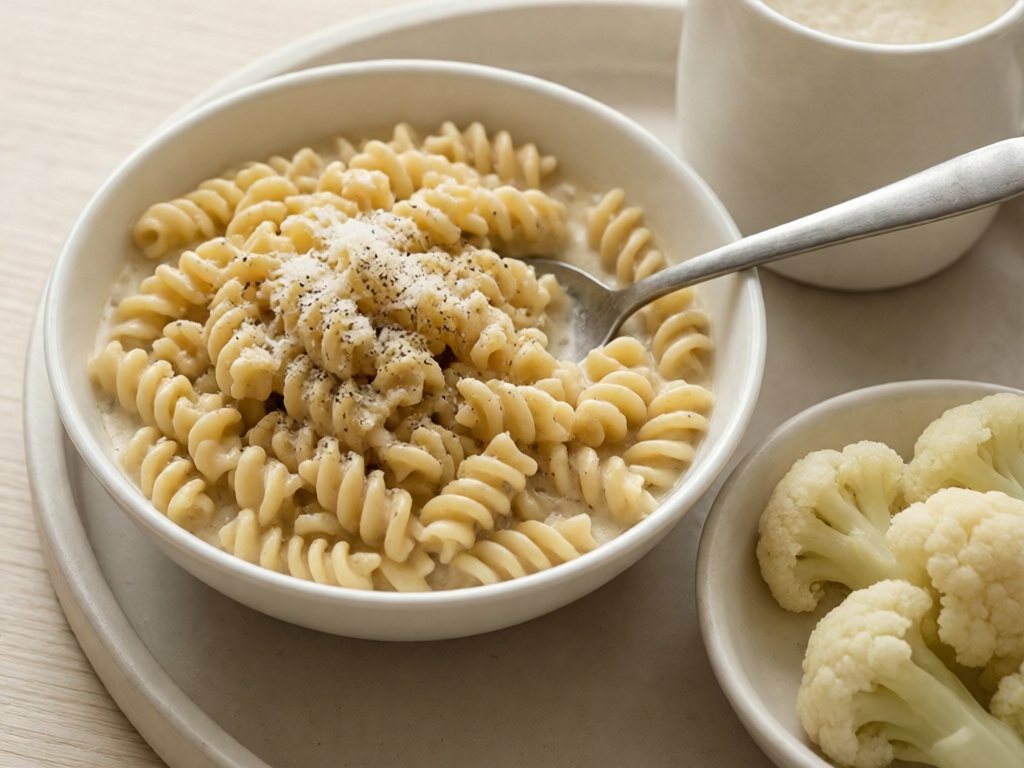
Ingredients:
- 2 cups cauliflower florets, steamed until very soft
- 1/2 cup milk
- 1/2 cup parmesan cheese
- 2 tbsp butter
- 2 cloves garlic
- Pepper and a pinch of salt (optional)
Instructions:
- Let the steamed cauliflower cool a few minutes. Blend with milk, garlic, and butter until very smooth. Vent the lid and hold a towel over it when blending hot food.
- Pour into a saucepan and heat gently.
- Stir in the parmesan until melted.
- Toss with 8 oz (225 g) dry pasta, cooked.
Storage: Refrigerate leftovers up to 3 days. Thin the sauce with a splash of milk when reheating. It doesn’t freeze well.
Pizza Dough with Sweet Potato
Ingredients:
- 2 cups flour
- 1/2 cup sweet potato puree
- 1 packet (2.25 tsp) yeast
- 1/2 cup warm water (105-110°F), plus 1-3 tbsp more if needed
- 1 tsp sugar
- 1/2 tsp salt
- 1 tbsp olive oil
Instructions:
- Dissolve the yeast and sugar in the warm water. Let sit 5 minutes.
- Mix the flour and salt.
- Add the yeast mixture, sweet potato, and oil. Add more water a tablespoon at a time until the dough comes together.
- Knead 5-7 minutes, until the dough is smooth.
- Let rise 1 hour.
- Roll out, top, and bake at 425°F for 12-15 minutes. Cut into thin strips or small bites, with no large chewy pieces of crust.
Bonus: The sweet potato makes the dough softer and slightly sweet, a texture kids like.
Storage: A baked, cooled crust freezes up to 3 months.
Related readingPicky Eater Meal Plan: 7 Days of Kid-Approved Dinners
Chocolate Zucchini Muffins
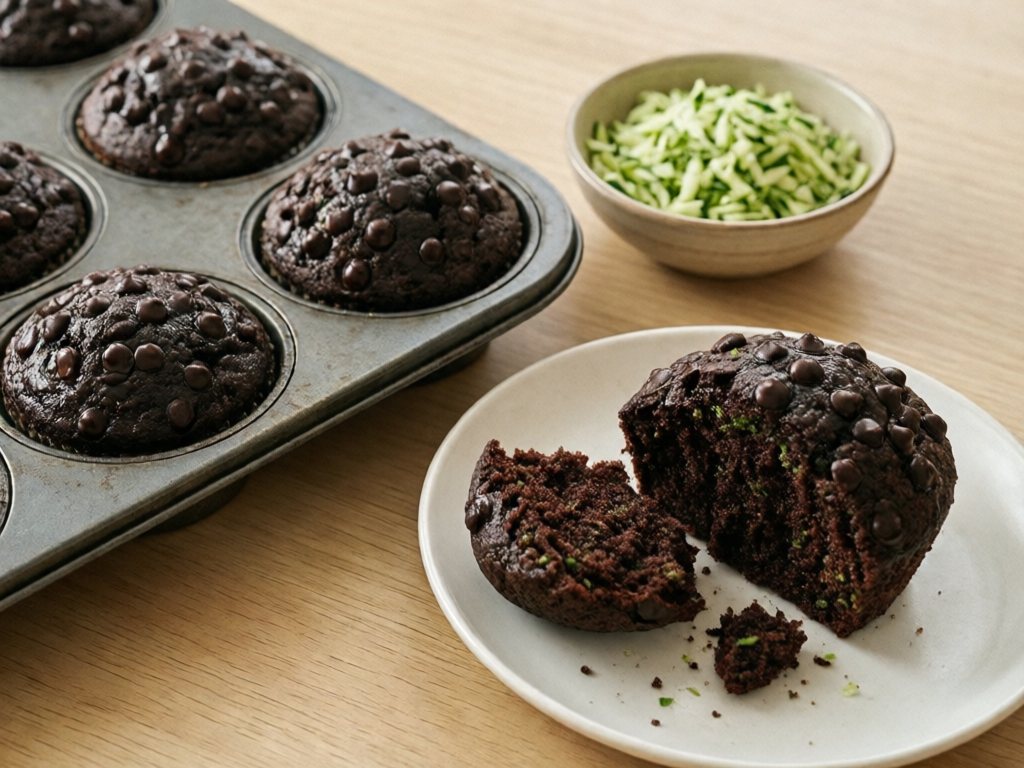
Ingredients:
- 1.5 cups flour
- 1/2 cup cocoa powder
- 1 tsp baking soda
- 1/2 tsp salt
- 2 eggs
- 1/2 cup sugar
- 1/2 cup plain yogurt
- 1/4 cup vegetable oil
- 1 cup finely grated zucchini
- 1/2 cup mini chocolate chips (optional; chop them for kids under 4)
Instructions:
- Mix the dry ingredients.
- Whisk the eggs, sugar, yogurt, and oil.
- Combine wet and dry, then fold in the zucchini and chips.
- Divide into a 12-cup muffin tin.
- Bake at 350°F for 18-22 minutes, until a toothpick comes out with a few moist crumbs.
Pro tip: Grate the zucchini very finely so it disappears into the batter. These are a dessert, much sweeter than the 12 months+ recipes, so keep them for ages 2+.
Storage: Store covered at room temperature up to 2 days, or freeze cooled muffins up to 3 months.
Carrot Cake Oatmeal
Ingredients:
- 1 cup rolled oats
- 2 cups milk
- 1/2 cup carrot puree
- 1 tbsp maple syrup
- 1/2 tsp cinnamon
- Pinch of nutmeg
Instructions:
- Combine the rolled oats and milk in a saucepan.
- Simmer over medium-low heat about 5 minutes, stirring, until thick.
- Stir in the carrot puree and spices. Add the maple syrup for kids 2 and up. For under 2s, skip it or stir in a little mashed banana instead.
- Top with finely chopped raisins (skip them under 2) or a thin swirl of smooth nut butter, only once nut butter has been introduced safely. No whole nuts or whole raisins under 4.
Why kids love it: Sweet, cinnamon-spiced, reminds them of cake.
Tips for Hiding Vegetables Successfully
Make It Disappear
- Blend purees very smooth. Slightly chunkier is fine in meatballs.
- Match color to the dish: orange veg in orange foods, green veg in chocolate bakes, tomato sauce and smoothies.
- Use cauliflower when you need something color-neutral.
- Start with half the puree if your child is wary, then increase over time.
- Stop before the dish tastes different from what they expect.
Stir Purees into Store-Bought Foods
No time to cook from scratch? Stir puree into foods you already buy. Start with the smaller amount and work up.
| Store-bought food | Puree to stir in | Best vegetable | Color tip |
|---|---|---|---|
| Jarred pasta sauce | 1-2 tbsp per 1/2 cup sauce | Carrot, zucchini, red pepper | Orange and red purees vanish in tomato sauce. |
| Boxed mac and cheese | 1-2 tbsp per serving | Butternut squash, cauliflower | Squash matches the orange. Cauliflower is color-neutral. |
| Plain yogurt | 1 tbsp per 1/2 cup | Pumpkin, sweet potato | Add cinnamon and call it pumpkin pie yogurt. |
| Oatmeal | 1-2 tbsp per bowl | Carrot, pumpkin | Cinnamon blends the orange in. |
| Smoothie with frozen fruit | 1 puree cube (2 tbsp) per cup | Spinach, avocado | It will turn green, so give it a fun name. |
Keep Both Strategies Going
Hiding vegetables is a supplement, not a replacement, for offering visible ones:
- Serve hidden veggie mac and cheese with soft cooked carrot sticks on the side. Raw carrot sticks, coins or shreds wait until age 4.
- The hidden veggies add nutrition. The visible ones build acceptance.
Mama Munch
Mama Munch is a food-obsessed parent of two who believes every family deserves simple, nutritious meals — even on the busiest weeknights. With a background in nutrition education and years of navigating picky eaters, allergies, and toddler taste buds, she creates practical recipes and meal strategies that actually work for real families.
Frequently Asked Questions
Is hiding vegetables lying to my kids?
I lean toward transparency. Serve hidden-veg dishes alongside visible vegetables, and tell your kids what’s inside once they’re enjoying the food (“Did you know there was spinach in that?”). Never use hidden vegetables to pressure a child or to sneak in a food they’ve refused.
Will my child ever learn to eat visible vegetables?
Yes, as long as visible vegetables keep showing up on the plate without pressure. If your child eats very few foods, loses weight, or gags or is distressed at meals, talk to your pediatrician.
My kid has texture sensitivity. Will they detect hidden vegetables?
Possibly. Blend purees extra smooth, strain if needed, and start with tiny amounts. Some vegetables hide better than others. If your child gags, refuses whole food groups, or eats very few foods, talk to your pediatrician or a feeding therapist. Our texture troubles guide can help too.
How do I add vegetables to foods I don’t make from scratch?
Stir puree into jarred sauce, boxed mac and cheese, yogurt or oatmeal, or blend it into smoothies with frozen fruit. Start with 1-2 tablespoons per serving. The store-bought stir-in table above gives amounts for each food.
Which vegetable should I start with?
Butternut squash or sweet potato—they’re naturally sweet, blend smoothly, and hide easily in many recipes.
Where to Start
Hidden vegetables are a tool, not a sign of defeat. They can add a little extra nutrition during picky phases while you keep working toward broader acceptance.
Start with one recipe, like the marinara or the mac and cheese. Get comfortable with puree prep, then build your collection.
Serve hidden-veg dishes alongside visible veg, and tell your kids what’s in them once they’re enjoying the food.